
How periodontitis is treated: from assessment to stability
Treating periodontitis is not a “deep clean”. Here is the pathway as Dr Hazout practises it in Levallois-Perret: the assessment, full-mouth treatment in a single session, then follow-up.
Key points
- It all starts with an assessment: examination of the gums and X-rays.
- Initial periodontal treatment is carried out on the whole mouth, in a single session, and covers all six sextants.
- A follow-up takes place one month later, then every six months.
- €1,440 without laser, €1,800 with laser, for the whole mouth.
The assessment: examining before treating
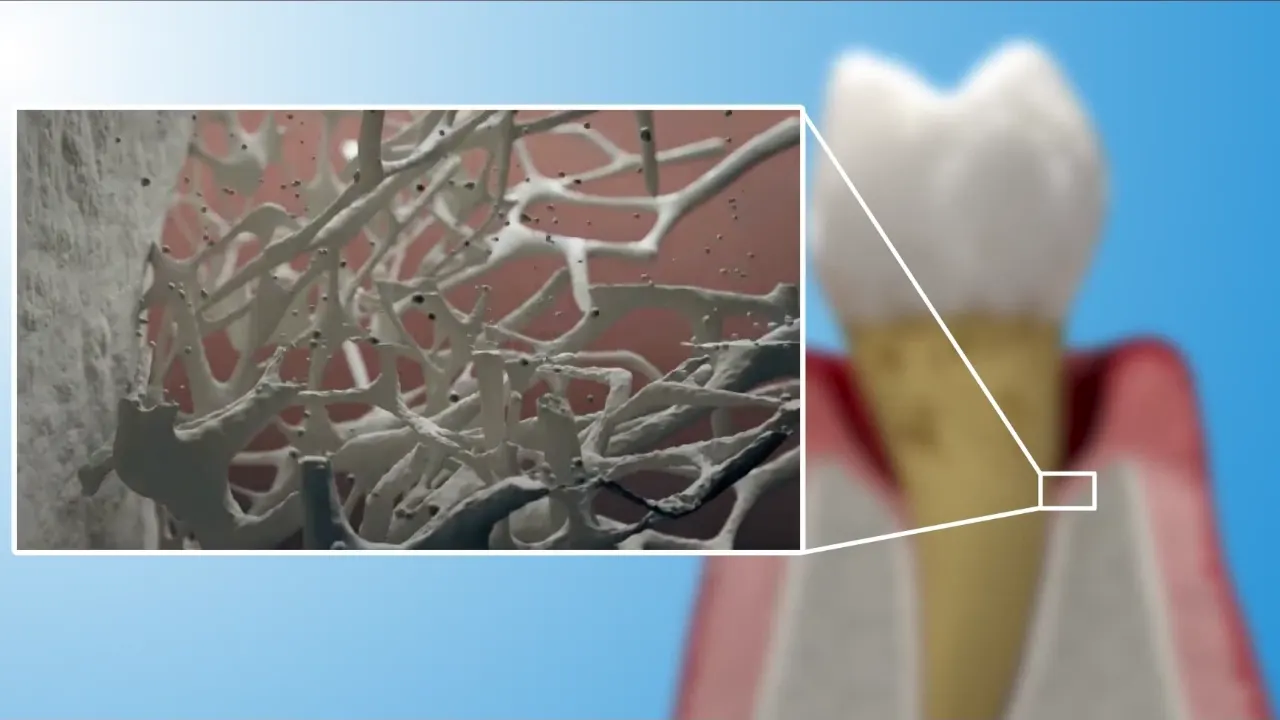
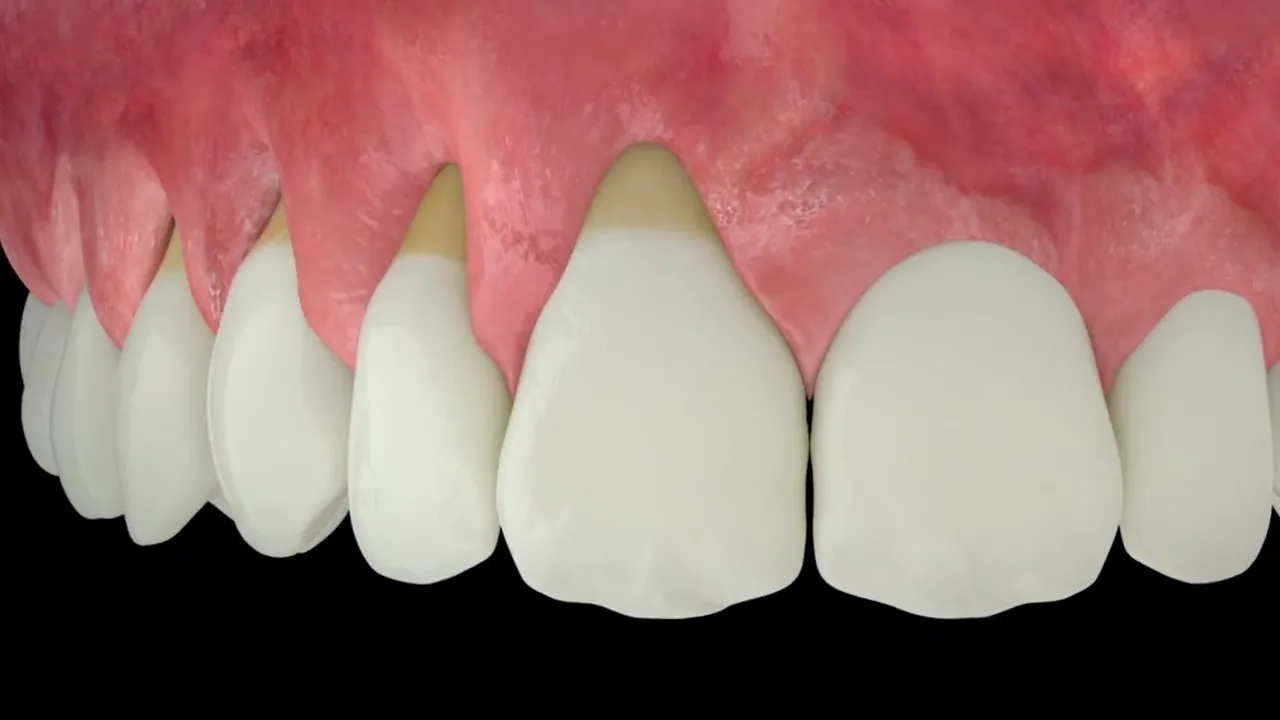
The first consultation begins with a conversation (general health, medication, smoking, diabetes), then an examination of the gums: bleeding, plaque, loose teeth, recession. X-rays show the bone level around each root; they will serve as the baseline for judging the result.
The diagnosis is summed up by a stage (I to IV, severity) and a grade (A to C, rate of progression) [1, 6]. What to bring on the day is on the First visit page.
Treatment, in four steps
The 2020 European guideline organises treatment into four steps [2].
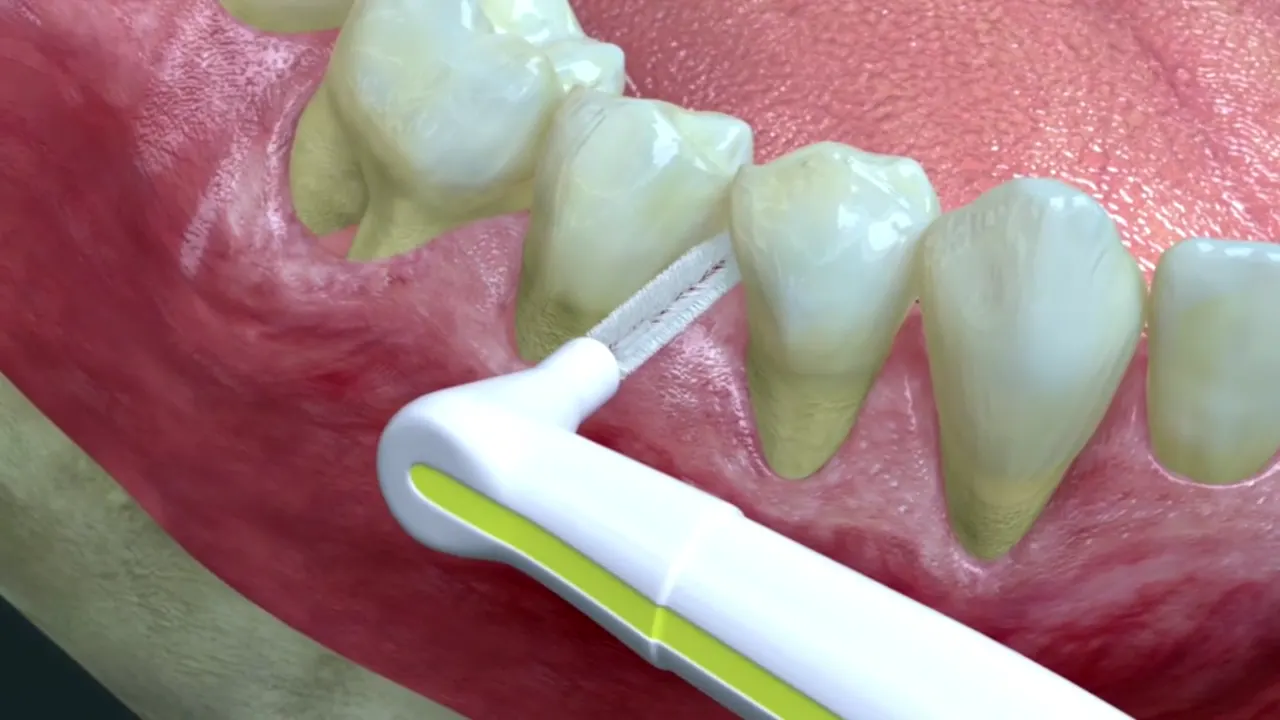
1. Controlling plaque. You learn to clean between the teeth, with interdental brushes sized for each gap. Stopping smoking and balancing diabetes are part of treatment [4, 5].
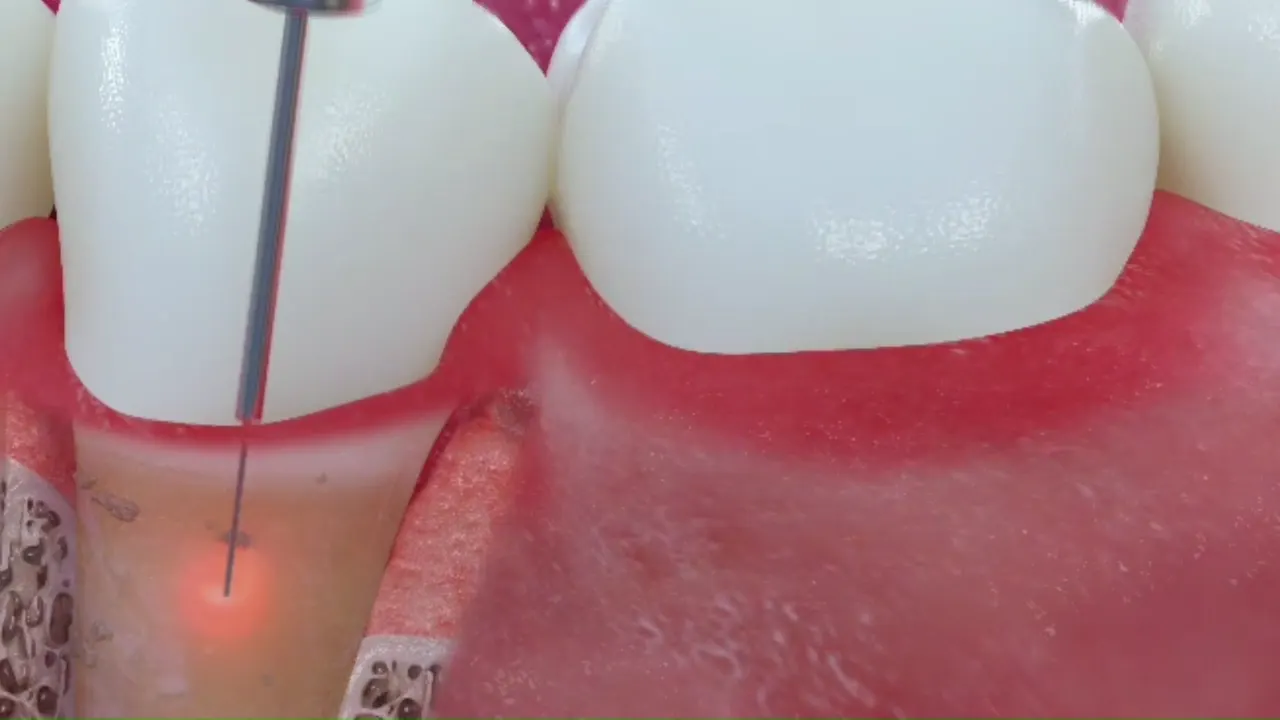
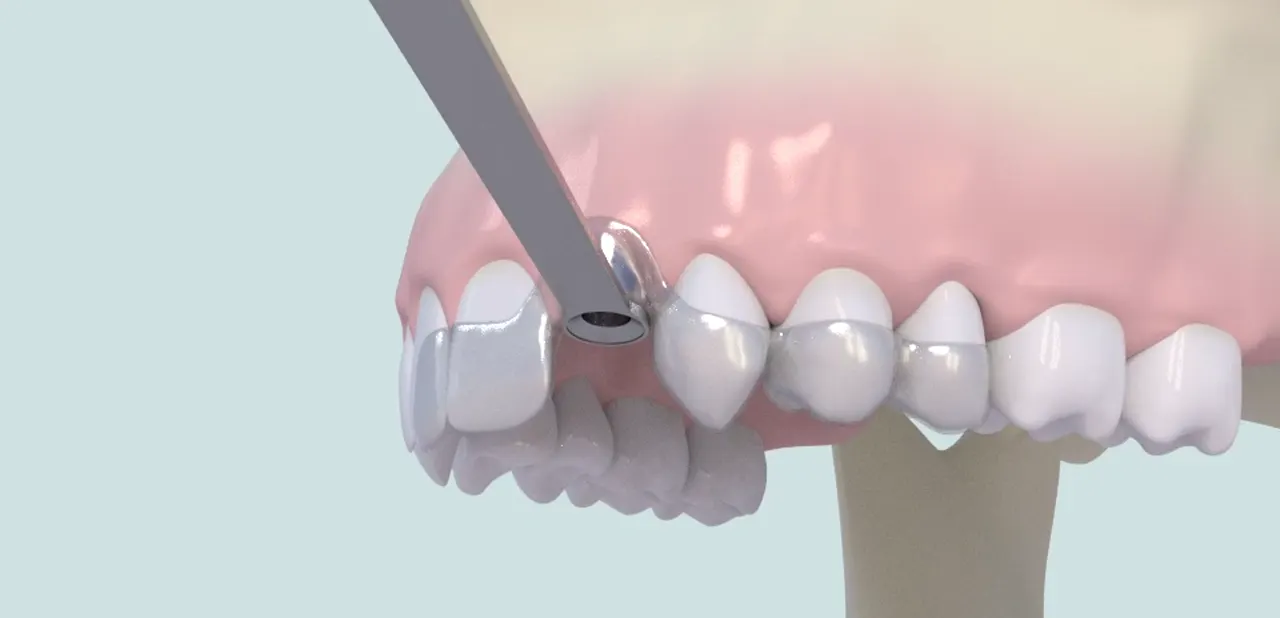
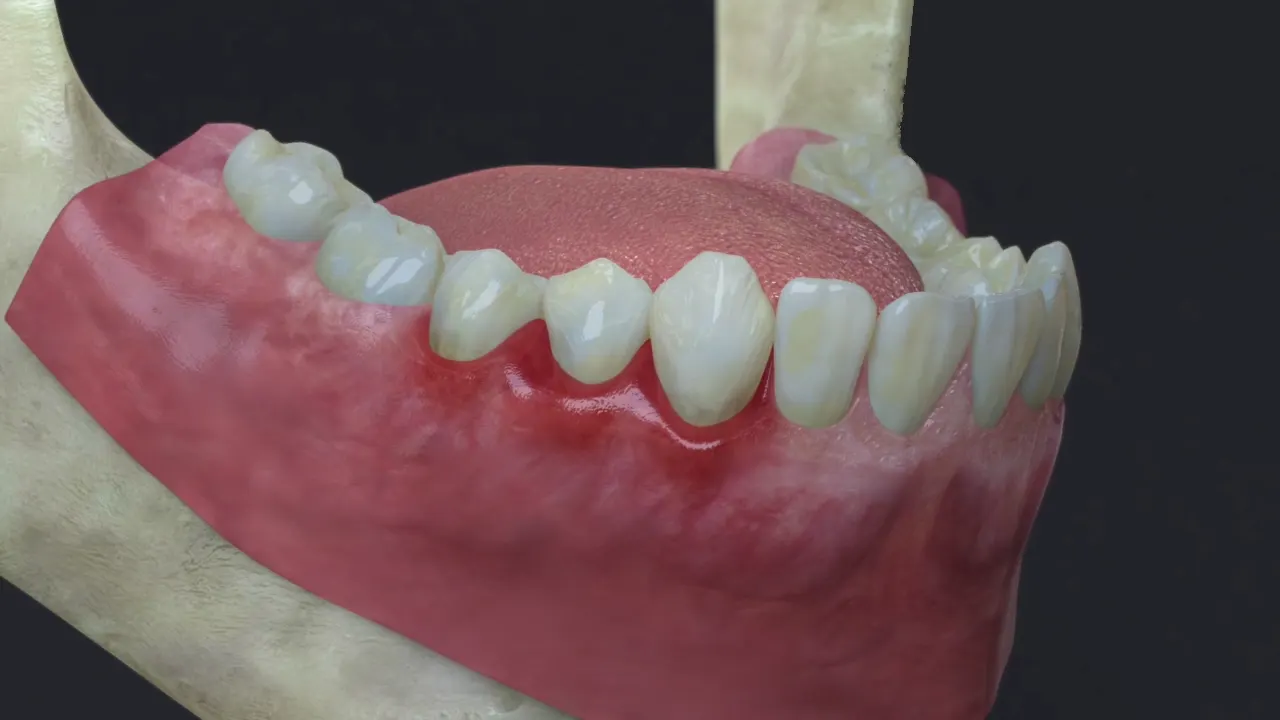
2. Cleaning the roots below the gum. This is root surface debridement, also called root planing or subgingival mechanical treatment: fine piezoelectric tips lift tartar and biofilm from the bottom of the pockets while respecting the root, under local anaesthetic if needed. Initial periodontal treatment is carried out on the whole mouth, in a single session, and covers all six sextants. The diode or Er:YAG laser complements it in some pockets, never in its place (Lasers page).
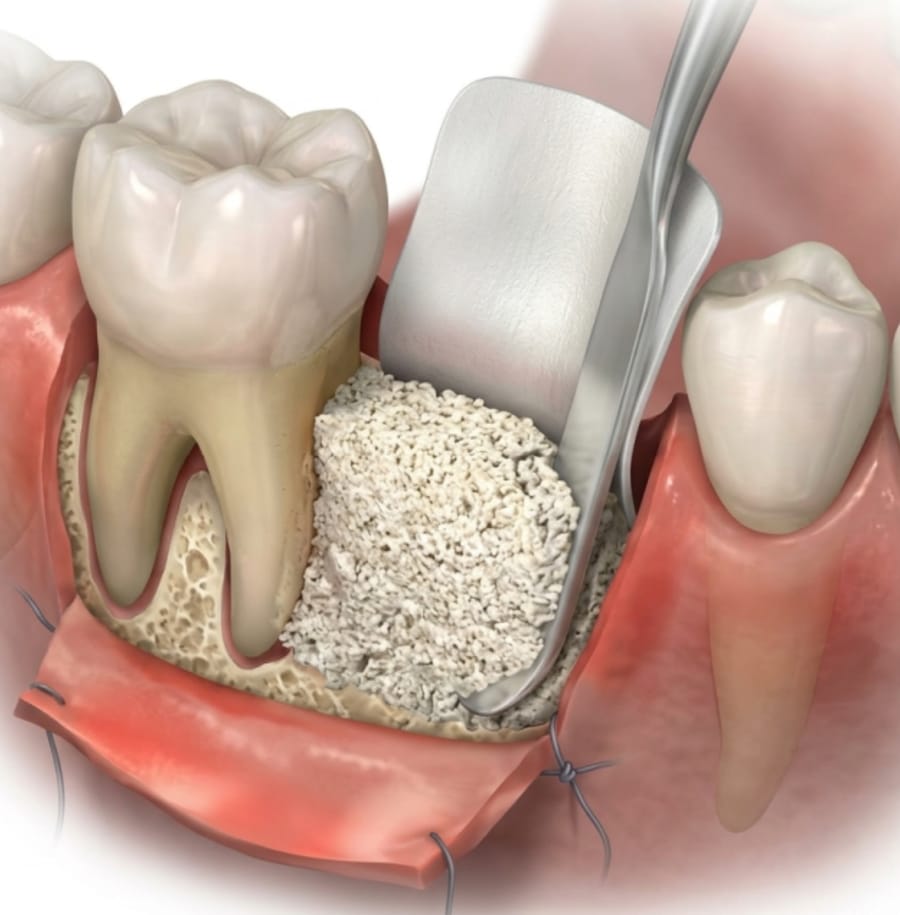
3. Checking at one month. One month after the session, the gums are compared with the initial assessment. Areas that have not healed are treated again, sometimes with minor surgery [2].
4. Maintaining. Follow-up then becomes six-monthly, or closer if needed. It is no longer root planing, still less curettage: fine tips pass below the gum to remove the biofilm that re-forms. See the Periodontal maintenance page.
Why the whole mouth in one session?
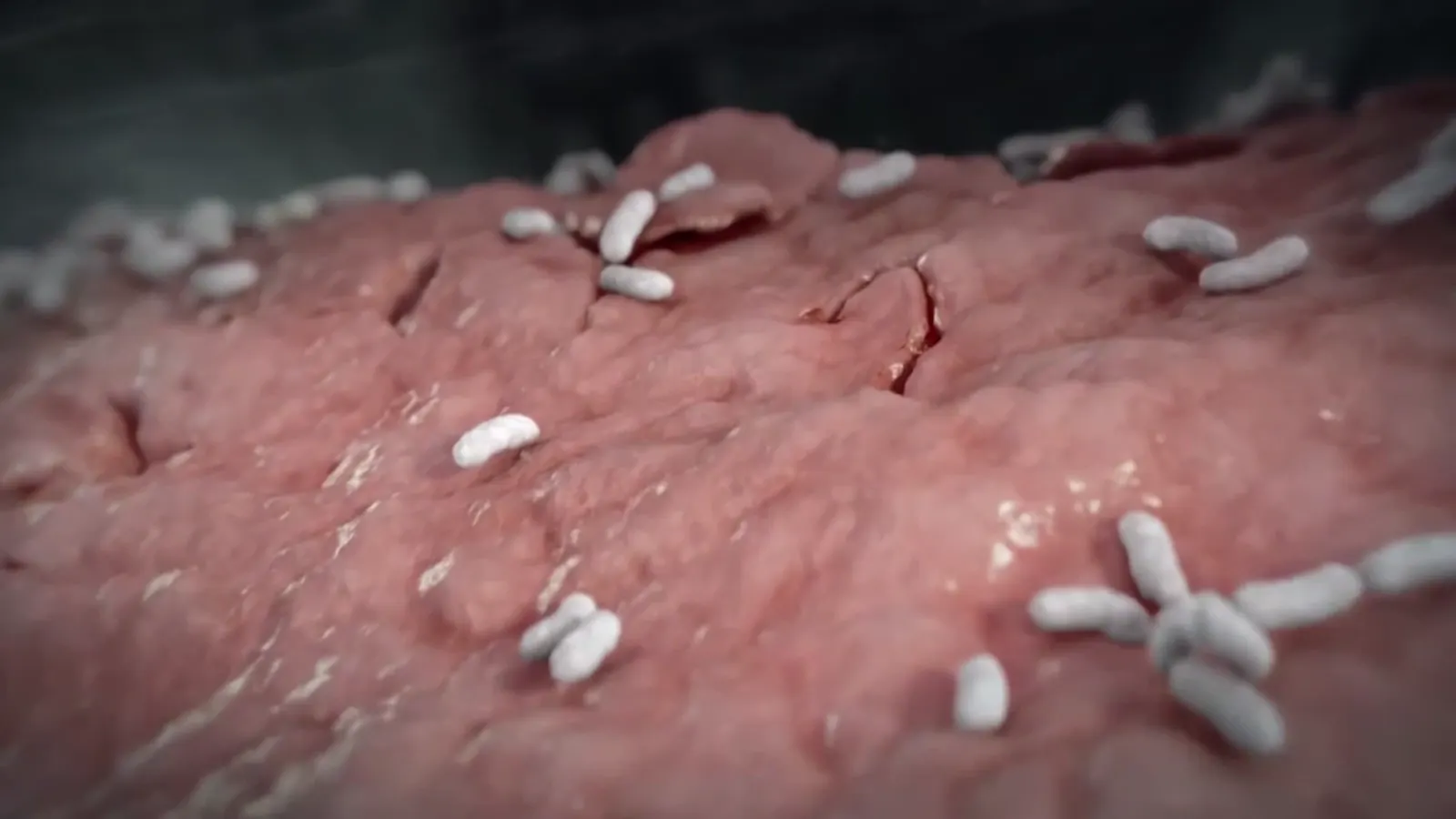
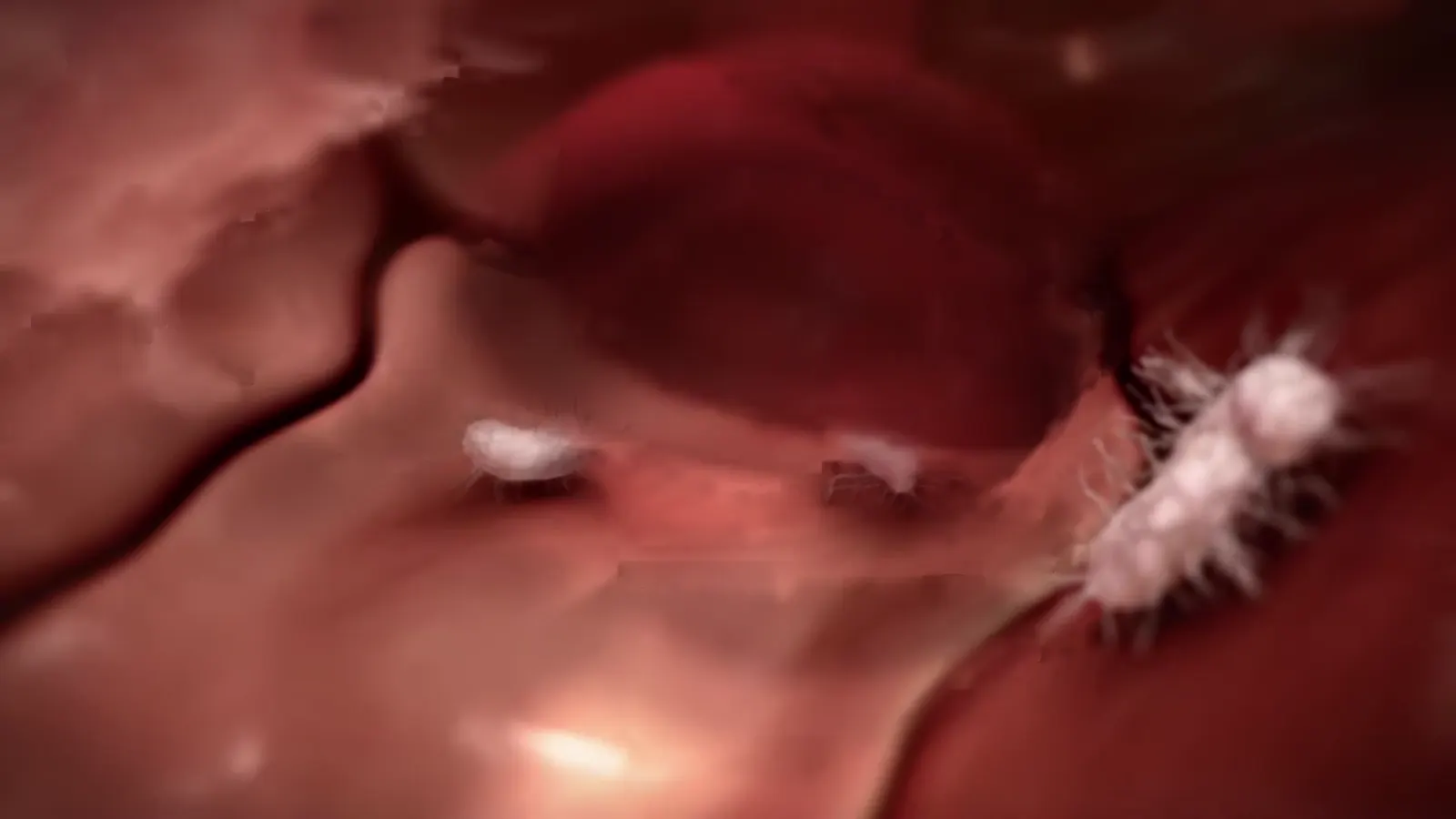
The bacteria of periodontitis move from one area to another. When treatment is spread over several weeks, areas already cleaned can be recolonised from those not yet treated. Treating all six sextants at once cleans the whole mouth in one go, and the gums heal everywhere at the same time. Both approaches give comparable results in trials [3]; Dr Hazout has chosen this one for its consistency and the comfort of a single session.
This full-mouth treatment costs €1,440 without laser and €1,800 with laser. It is not reimbursed by French national health insurance; your top-up insurance may cover part of it. A written estimate is given before any treatment (Fees).
Each patient's background
Smoking, diabetes, stress or some medicines affect healing. At the practice, the first treatment session also includes a bacterial sample and a blood sample: this is Dr Hazout's protocol for knowing each patient's flora and background, and adapting follow-up. See Blood tests and supplements.
What you can expect
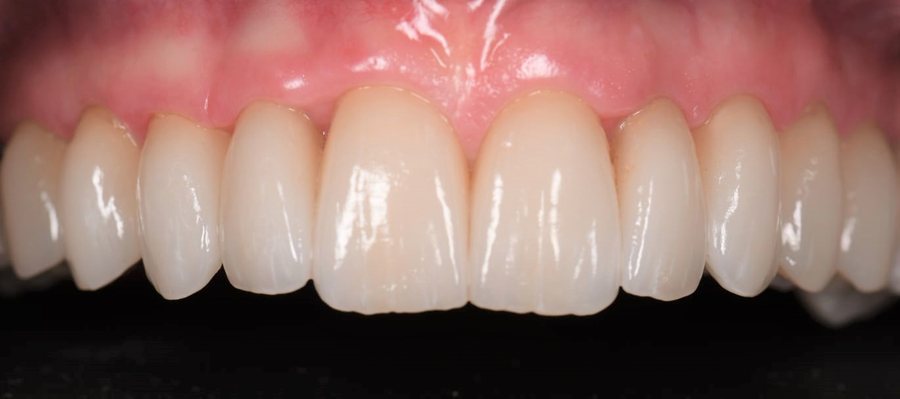
The result shows at the check-up: gums that no longer bleed, firmer, sometimes less mobile teeth. It then holds on two conditions: careful daily cleaning and regular follow-up.
The limits, in detail
- Teeth that cannot be saved: when a tooth has lost most of its support, its extraction and replacement are discussed at the assessment.
- Furcations (where the roots of a molar divide): hard to clean, they are monitored closely and may warrant surgery.
- Smoking and poorly controlled diabetes: healing is poorer and relapse more frequent; treatment remains worthwhile, with less predictable results.
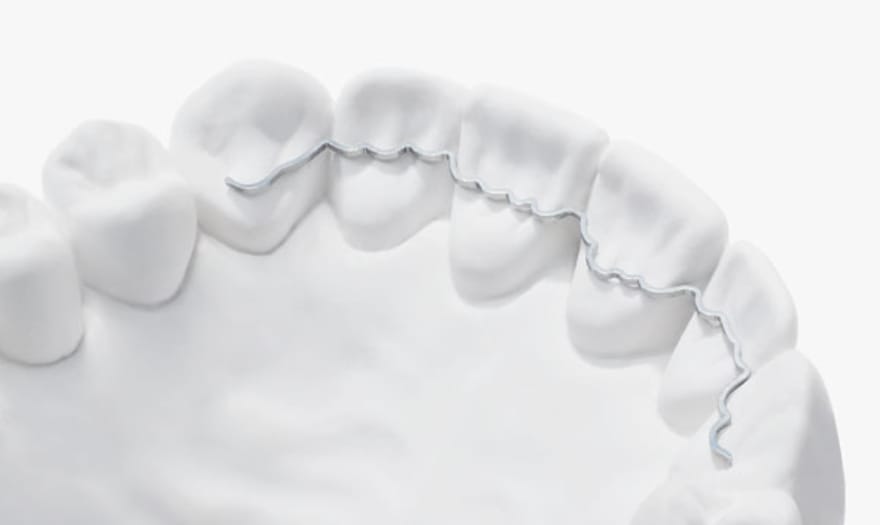
- Loose teeth: if they stay loose once inflammation is under control, a bonded splint can hold them together.
Frequently asked questions
How many appointments will I need?
Three: an assessment consultation, a single full-mouth treatment session, then a check-up one month later. Follow-up then becomes six-monthly.
How much does treatment cost?
The assessment consultation is €60. Full-mouth treatment costs €1,440 without laser and €1,800 with laser. An estimate is given before any treatment.
Scaling or root surface debridement: what is the difference?
Scaling, with ultrasonic instruments, removes the tartar visible above the gum. Root surface debridement, or root planing, cleans the roots below the gum, at the bottom of the pockets, with fine piezoelectric tips: it is the core of initial periodontal treatment. In France, « surfaçage » (root planing) remains the name used in the national health insurance coding.
More questions (3)
Will my loose teeth firm up?
Often partly, as the inflammation settles. If they stay loose, a bonded splint may be discussed.
Do I need antibiotics?
Not routinely. They may be considered case by case, in addition to root cleaning.
Why not treat it with a laser straight away?
Because a laser does not replace root cleaning: at the practice it complements debridement, in some pockets.
Scientific sources (6)
- Papapanou PN, Sanz M, et al. Periodontitis: Consensus report of workgroup 2 of the 2017 World Workshop on the Classification of Periodontal and Peri-Implant Diseases and Conditions. J Clin Periodontol. 2018;45 Suppl 20:S162-S170. DOI
- Sanz M, Herrera D, Kebschull M, et al. Treatment of stage I-III periodontitis-The EFP S3 level clinical practice guideline. J Clin Periodontol. 2020;47 Suppl 22:4-60. PubMed
- Suvan J, Leira Y, Moreno Sancho FM, Graziani F, Derks J, Tomasi C. Subgingival instrumentation for treatment of periodontitis. A systematic review. J Clin Periodontol. 2020;47 Suppl 22:155-175. DOI
- Leite FRM, Nascimento GG, Scheutz F, López R. Effect of smoking on periodontitis: a systematic review and meta-regression. Am J Prev Med. 2018;54(6):831-841. PubMed
- Simpson TC, Clarkson JE, Worthington HV, et al. Treatment of periodontitis for glycaemic control in people with diabetes mellitus. Cochrane Database Syst Rev. 2022;4:CD004714. DOI
- Tonetti MS, Greenwell H, Kornman KS. Staging and grading of periodontitis: Framework and proposal of a new classification and case definition. J Periodontol. 2018;89 Suppl 1:S159-S172 (publié simultanément dans J Clin Periodontol). DOI
Page written by Dr Victor Hazout, periodontist · updated on 24 October 2026
Patient pathway