




Gingivitis: treating it before it becomes periodontitis
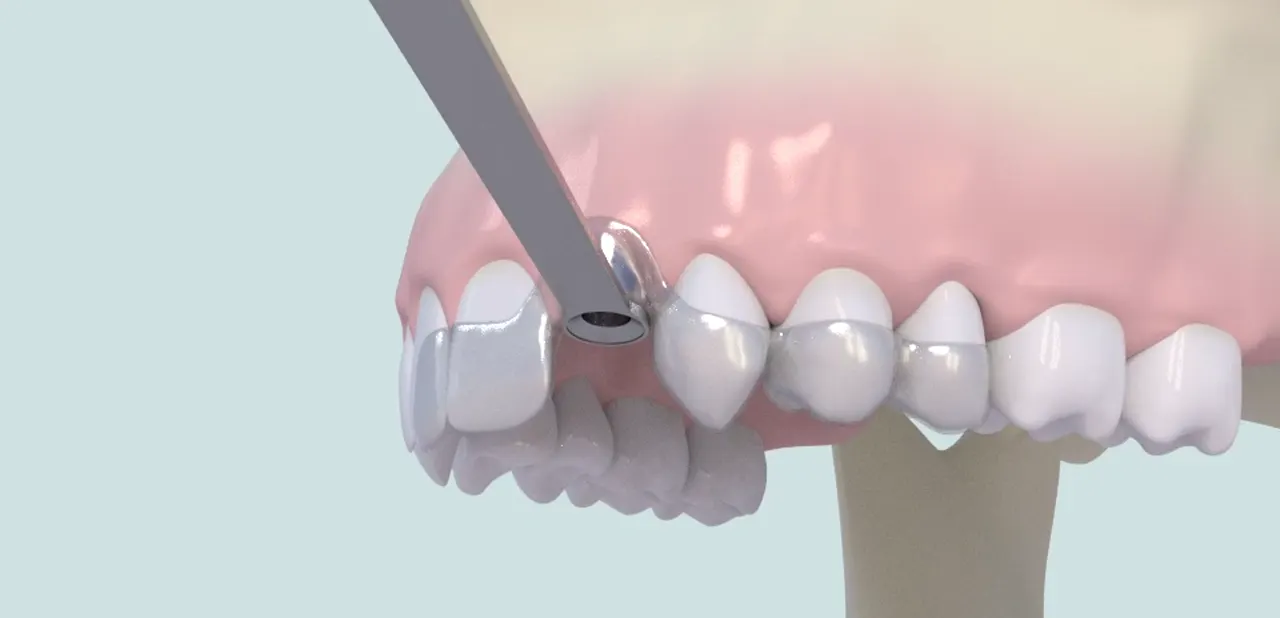
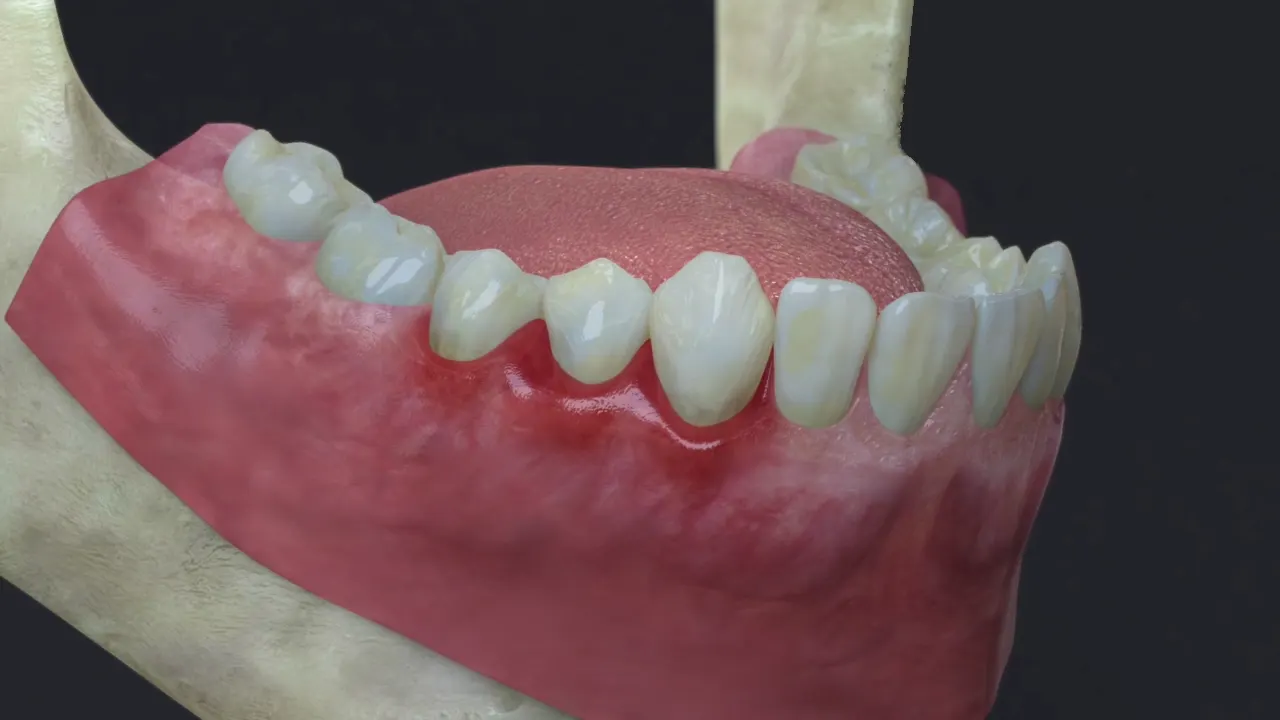
Gingivitis is inflammation of the gum, without damage to the bone that holds the teeth. It shows as a red, swollen gum that bleeds when you brush or floss. It is reversible: when dental plaque is removed every day and tartar is removed at the practice, the gum returns to its normal appearance. Left in place, the inflammation can, in some people, spread to the attachment and the bone: it is then periodontitis, which does not repair itself.
Recognising gingivitis
The signs are subtle and almost never painful: bleeding when brushing or on its own, a red gum instead of pale pink, a swollen and smooth gum margin, sometimes bad breath [4]. Bleeding is not “normal” and should not lead you to brush more gently or to avoid the area: the opposite is what helps.
In smokers, the gum bleeds less even though the inflammation is there: the absence of bleeding is no reassurance.
Where does it come from?
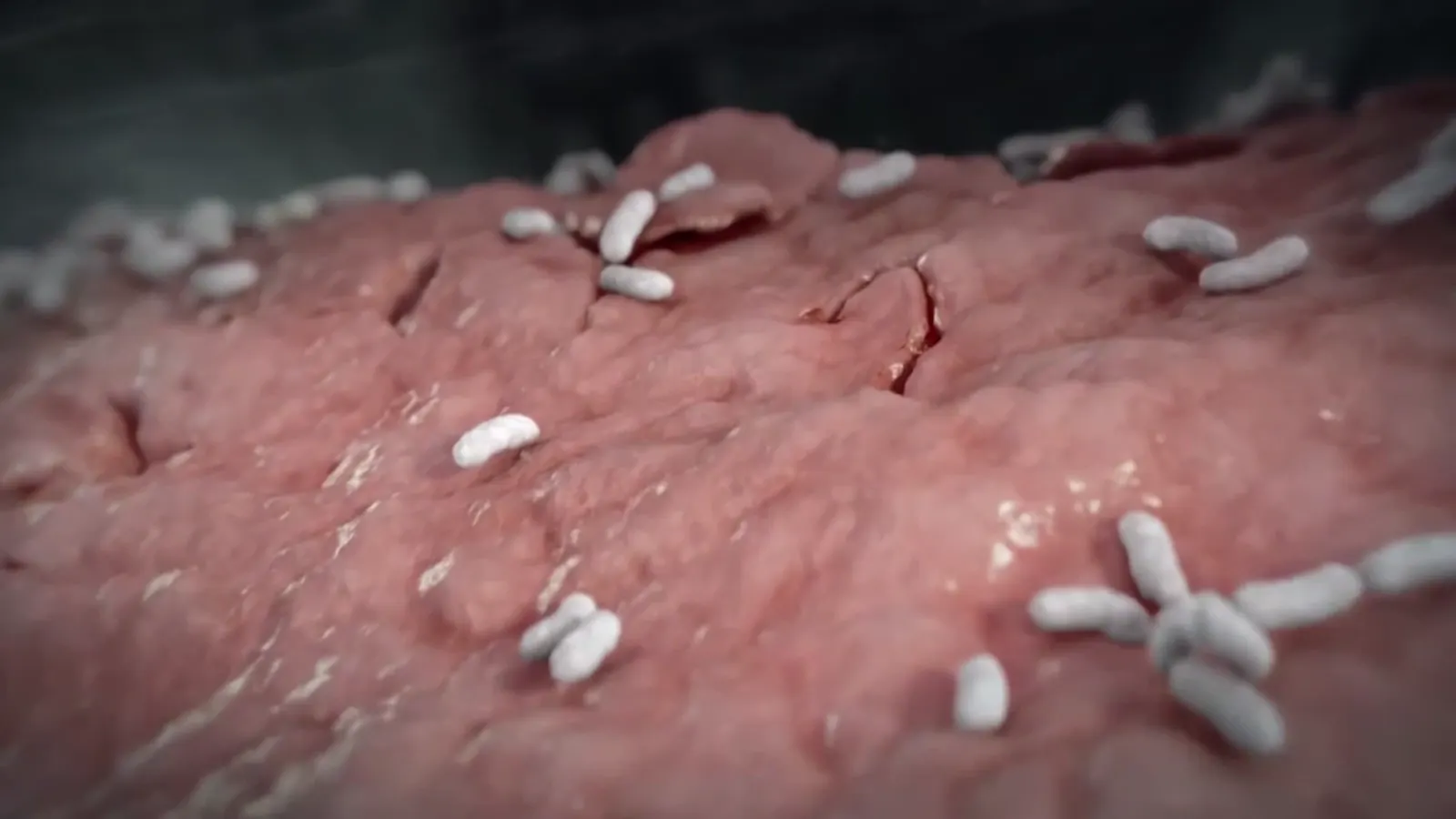
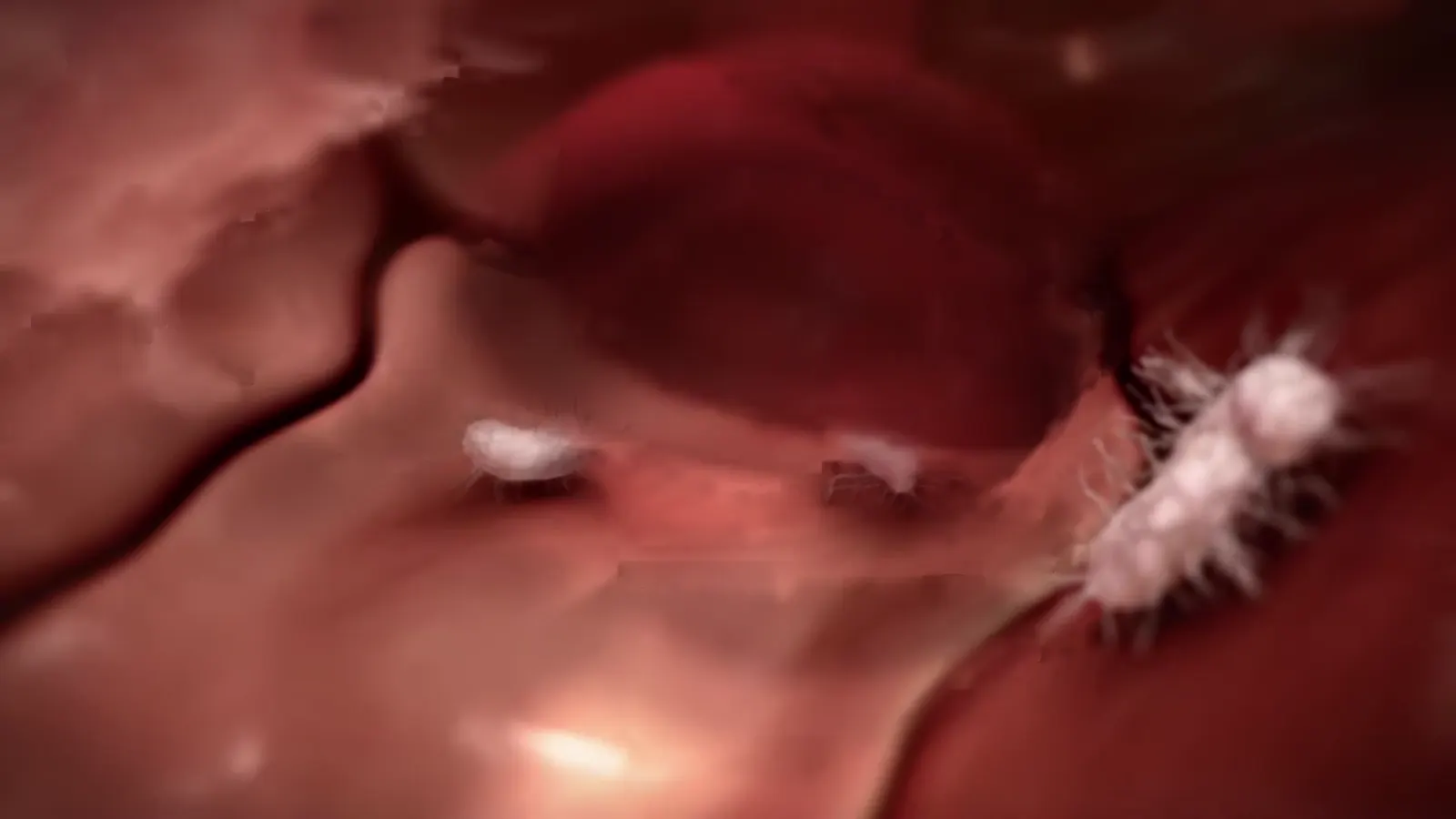
The primary cause is dental plaque, a film of bacteria that builds up every day at the neck of the teeth and between them. When it is not removed, it hardens into tartar, which holds even more plaque. Some conditions amplify the gum's reaction: pregnancy and hormonal changes, poorly controlled diabetes, certain medicines, smoking, mouth breathing, appliances or prostheses that are hard to clean, crowded teeth [1].
Gingivitis or periodontitis: the difference that matters
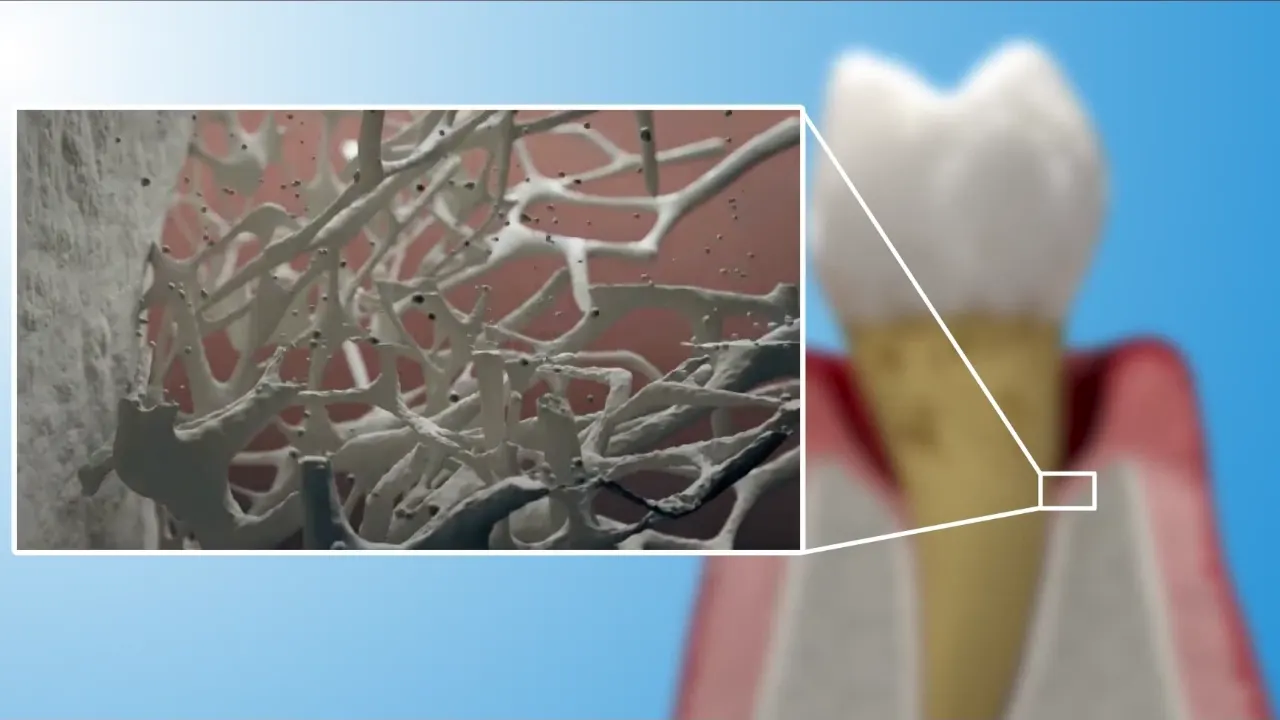
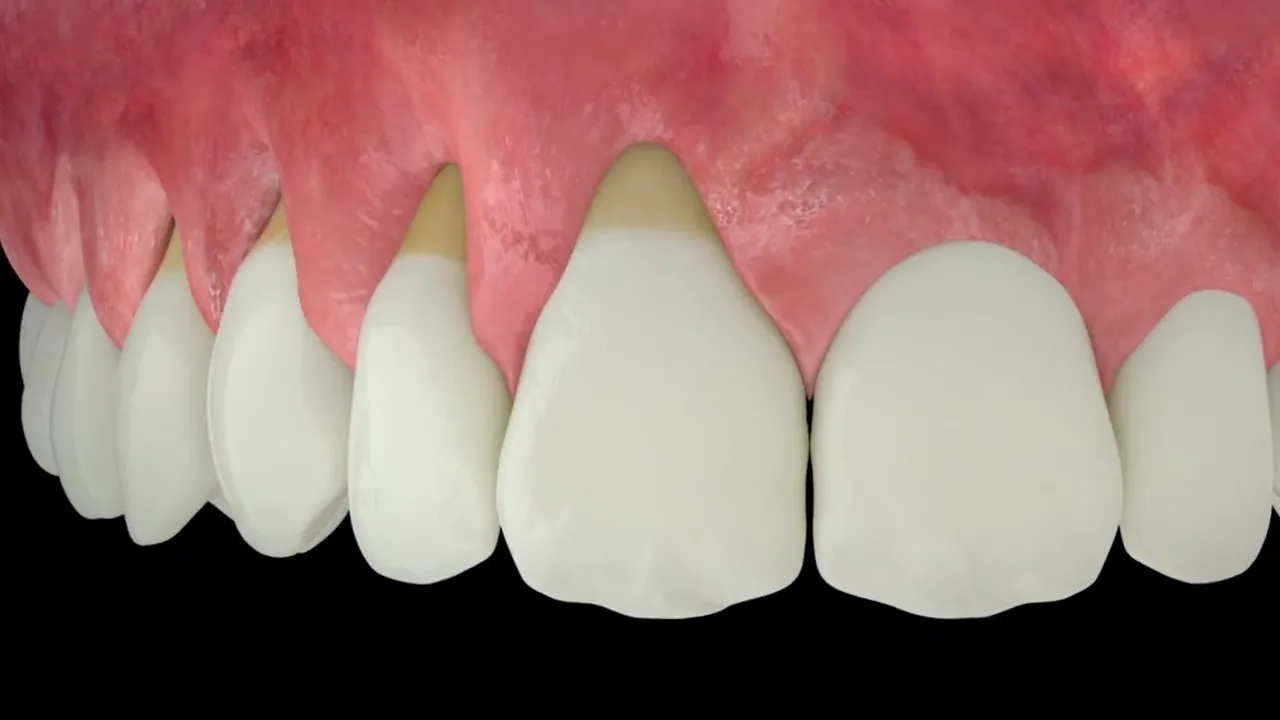
In gingivitis, the inflammation stays in the gum; the bone and the tooth's attachment are intact, and everything can return to health [1]. In periodontitis, the attachment and the bone are affected: the gums can recede and teeth can loosen or drift apart. Only a full periodontal examination, clinical and radiographic, can tell the two apart. Not every case of gingivitis becomes periodontitis, but every case of periodontitis started with an inflamed gum: that is why it is treated early.
The signs and diagnosis of periodontitis are covered in the article Understanding periodontitis; its treatment, on the page Periodontitis treatment.
How gingivitis is treated
- At the practice: removal of tartar and plaque above and just below the gum margin, then polishing; spotting the areas that trap plaque (an overhanging filling, a crown, an appliance) so they can be corrected [2].
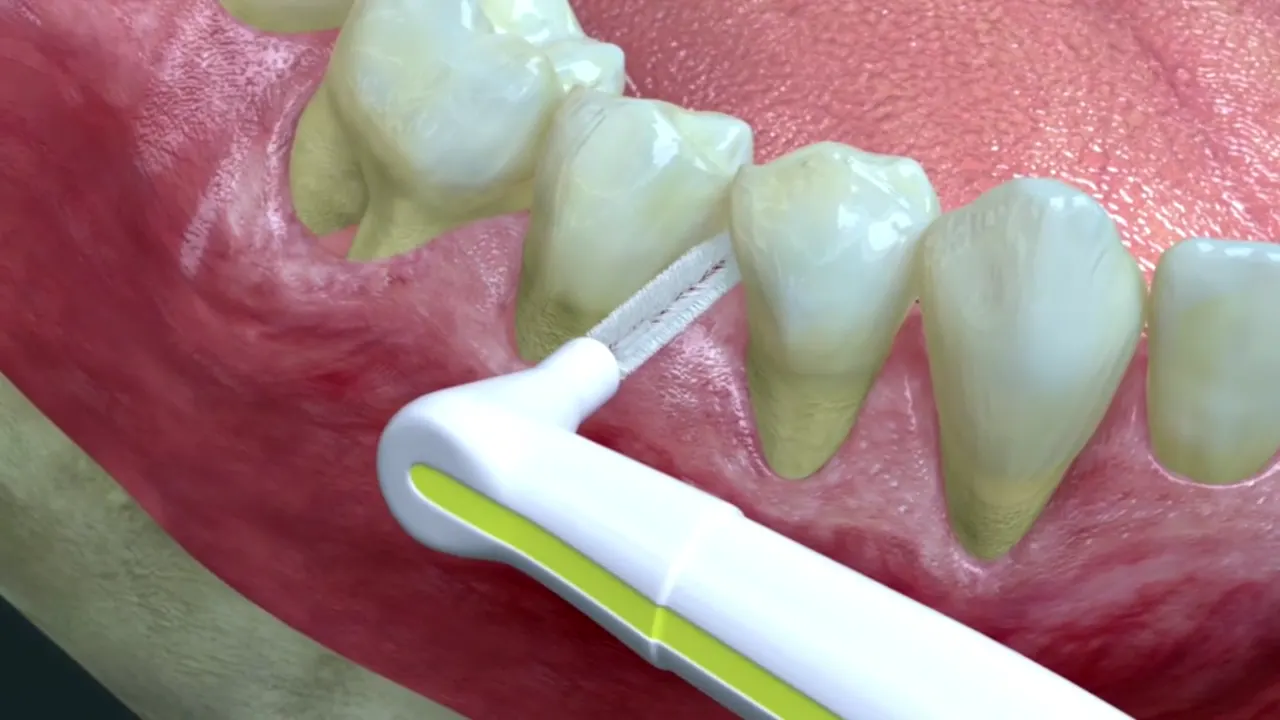
- At home, every day: brushing twice a day with a soft or electric toothbrush, and cleaning between the teeth with interdental brushes sized to each space (floss where the brush does not fit). Cochrane reviews show that interdental cleaning added to toothbrushing reduces gingivitis and plaque compared with toothbrushing alone; interdental brushes seem at least as effective as floss (low certainty, according to the same review) [3].
- Mouthwashes can help for a few days on prescription; they replace neither brushing nor interdental cleaning, and a chlorhexidine mouthwash stains the teeth if used for long.
- Check-up: the gum is reviewed to make sure the bleeding has stopped. If signs persist, a full periodontal assessment looks for early periodontitis.
What has no place here
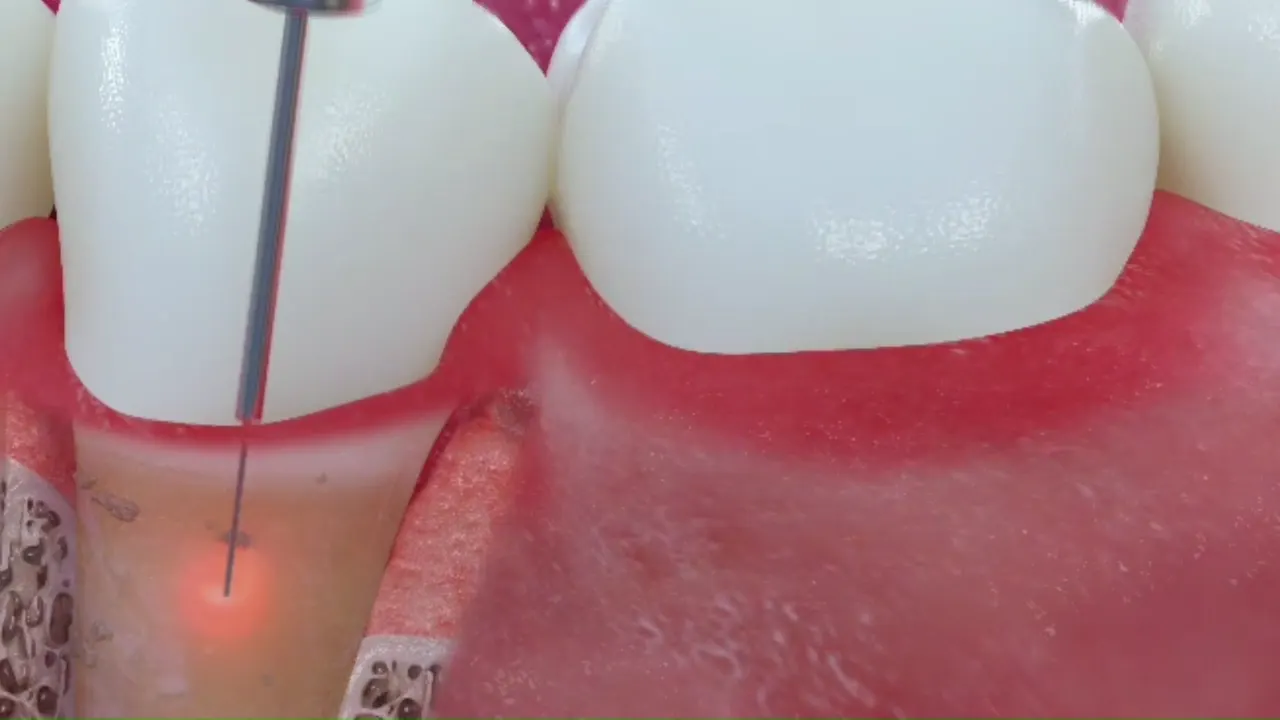
Antibiotics do not treat ordinary gingivitis. No toothpaste or supplement replaces the mechanical removal of plaque. Gingivitis is treated by removing plaque and tartar; at the practice, the laser is used in addition to periodontal treatment when periodontitis is diagnosed.
When to see a periodontist
- Bleeding that persists despite proper brushing and interdental cleaning.
- A receding gum, a loose tooth, a gap appearing between two teeth, lasting bad breath.
- Diabetes, pregnancy, smoking, a family history of receding gums and loose teeth: the gums deserve closer follow-up.
At the practice, the first consultation includes a full periodontal assessment; at this visit Dr Hazout takes a bacterial sample and, depending on your overall health, a blood test, to understand the bacterial flora and adapt the follow-up.
To prepare your visit: the first consultation and booking an appointment; for everyday care: oral hygiene: brushing techniques.
Frequently asked questions
Does gingivitis hurt?
Rarely. Bleeding and redness are the usual signs; pain points rather to an acute form or another problem.
Should I stop brushing a gum that bleeds?
No. The bleeding comes from the inflammation; removing plaque every day is what makes it stop.
Can gingivitis heal on its own?
It recedes when plaque and tartar are removed. Without that, it persists and can progress to periodontitis in some people.
Gingivitis during pregnancy: what should I do?
Hormonal changes amplify the gum's reaction to plaque. Daily cleaning and a scale and polish during pregnancy are possible and advisable. See also Pregnancy and gums.
Scientific sources (4)
- Chapple ILC, Mealey BL, et al. Periodontal health and gingival diseases and conditions on an intact and a reduced periodontium: Consensus report of workgroup 1 of the 2017 World Workshop on the Classification of Periodontal and Peri-Implant Diseases and Conditions. J Clin Periodontol. 2018;45 Suppl 20:S68-S77. DOI
- Sanz M, Herrera D, Kebschull M, et al. Treatment of stage I–III periodontitis — The EFP S3 level clinical practice guideline. J Clin Periodontol. 2020;47 Suppl 22:4-60. DOI
- Worthington HV, MacDonald L, Poklepovic Pericic T, et al. Home use of interdental cleaning devices, in addition to toothbrushing, for preventing and controlling periodontal diseases and dental caries. Cochrane Database Syst Rev. 2019;4:CD012018. DOI
- Vidal. Gingivite, saignement des gencives, parodontite (mis à jour le 29 janvier 2024). vidal.fr
Page written by Dr Victor Hazout, periodontist · updated on 23 October 2026
Patient pathway