




Periodontal maintenance: keeping results over time
Once the pockets have been treated, treatment is not over: it changes pace. Maintenance, or supportive periodontal care, serves to detect any return of the disease early and to remove what brushing cannot reach. At the practice, it begins with a check-up at one month, then continues every six months, a pace reassessed at each visit. This page describes maintenance as it is practised at Dr Hazout's practice in Levallois-Perret, and what it cannot promise.
Why is maintenance part of treatment?
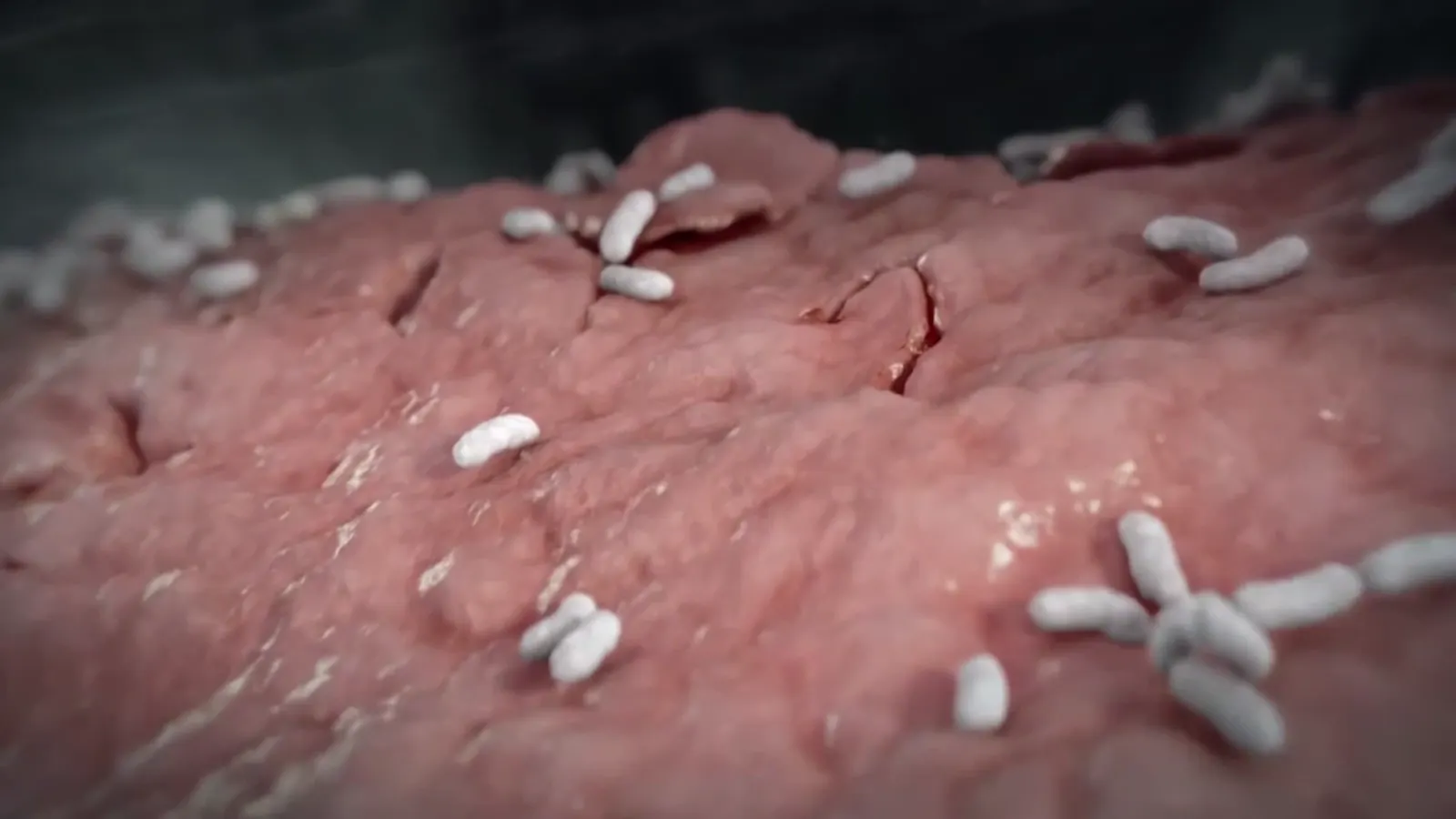
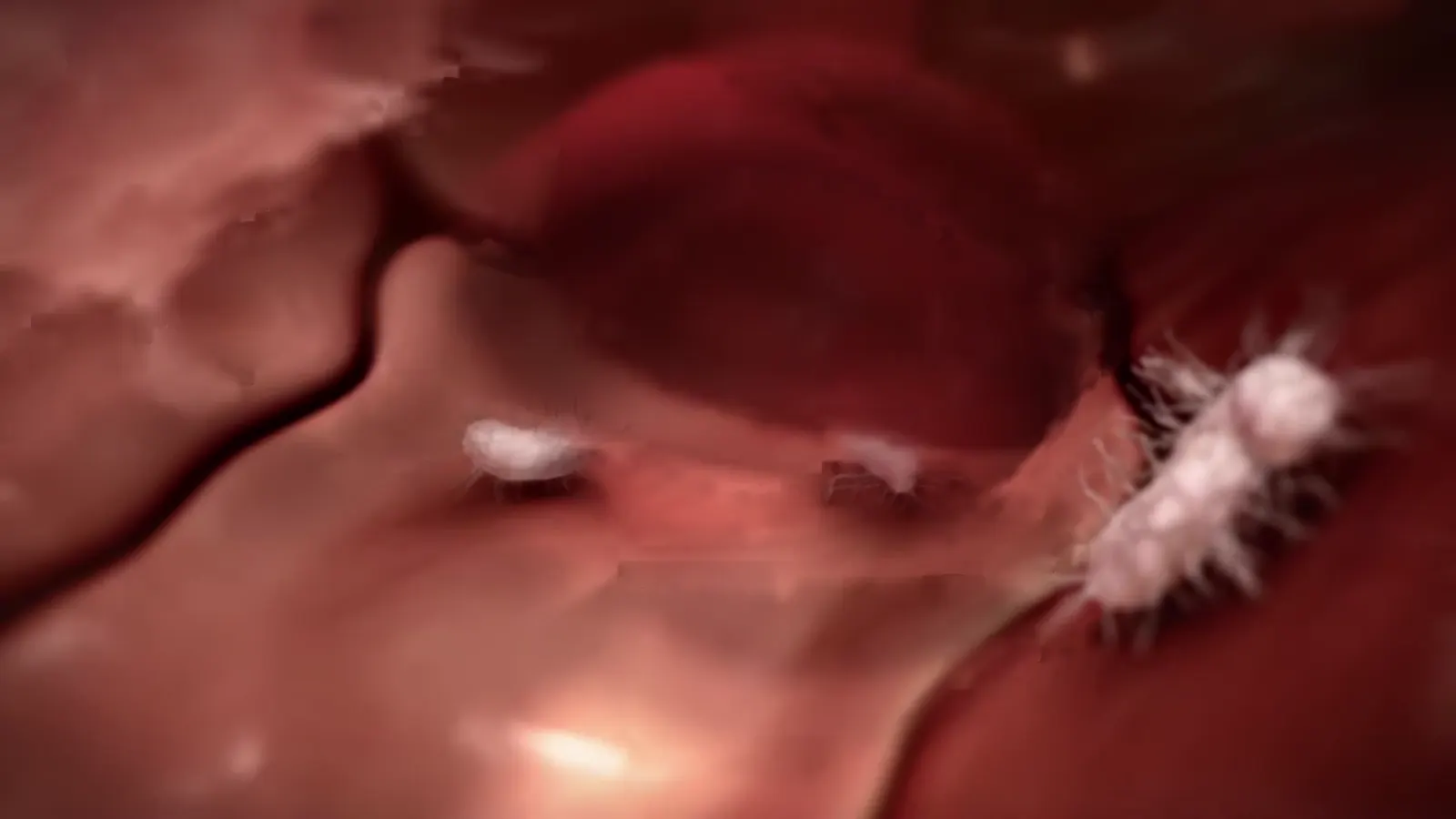
Periodontitis is a chronic disease. Active treatment reduces inflammation and pocket depth, but the tendency to react strongly to plaque remains. Bacteria recolonise cleaned areas within a few weeks, above all where residual pockets, furcations or hard-to-reach spaces persist.
The EFP European guideline makes supportive periodontal care the fourth step of treatment in its own right [1]. Long-term studies offer some indications: in a retrospective cohort of 168 patients followed for a median of five years, those attending regularly (every 2 to 4 months) lost an average of 0.14 teeth per year, against 0.21 for those who spaced their visits further apart; the gap was not statistically significant, and in the highest-risk patients tooth loss remained notable even with three-monthly follow-up [3]. This is an observational study: it shows an association, and other differences between regular and irregular attenders may weigh in.
How often?
The EFP guideline asks for visits to be scheduled at intervals of 3 months to a maximum of 12 months, adjusted to the patient's risk profile and periodontal condition [1]. The Scottish guidance (SDCEP) suggests that frequent recalls, every three months for instance, are often beneficial at the start of maintenance, with later adjustment according to progress [2].
At Dr Hazout's practice the rhythm is as follows: a first follow-up one month after the treatment session, which serves as the re-evaluation, then six-monthly long-term follow-up. This six-month interval sits within the European range; it is reviewed at every visit: it is shortened if bleeding returns or if your risk is high, and may be lengthened if everything stays stable over time.
What happens at a visit?
- updating your medical history, medication, smoking status and, if relevant, diabetes control;
- examining the gums: plaque, bleeding, inflammation;
- targeted X-rays if needed, at sensible intervals;
- checking your technique, particularly the choice and size of interdental brushes;
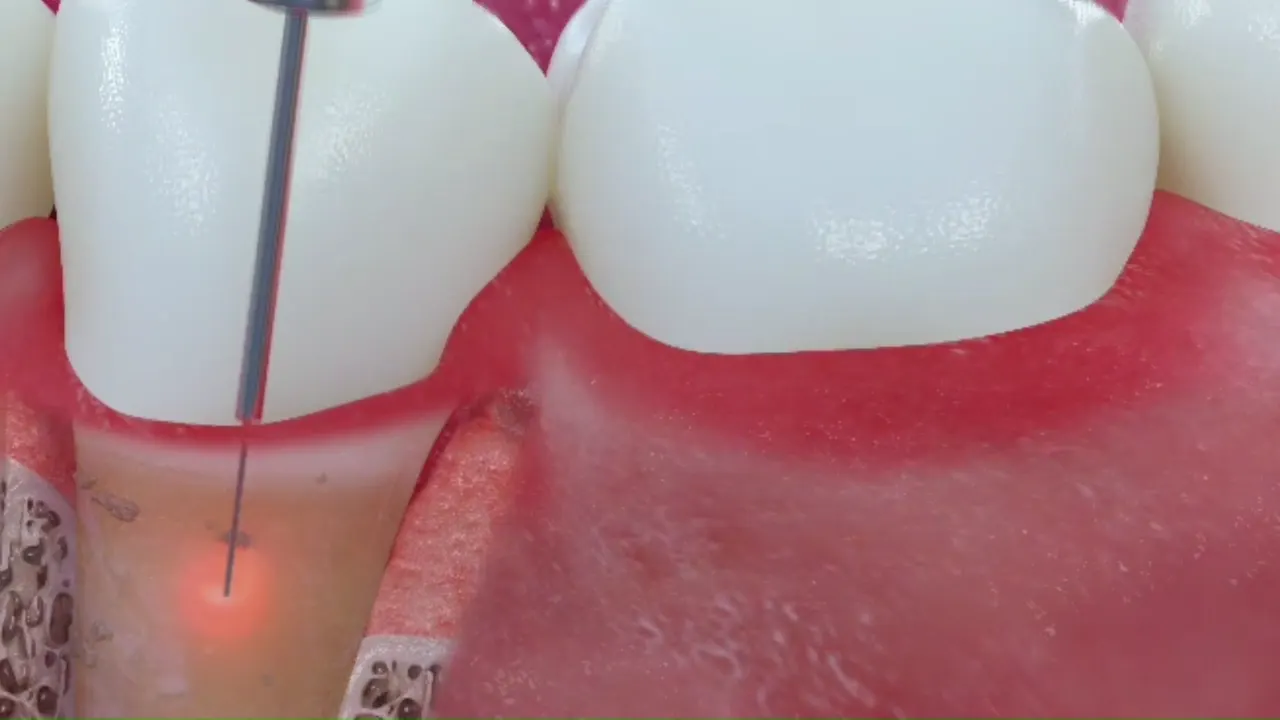
- professional cleaning above the gum line, then fine tips passed below the gum to remove the biofilm where it re-forms: no longer root planing, still less curettage, but mechanical upkeep that respects a root already cleaned; sites that bleed or deepen are instrumented more thoroughly;
- deciding the interval until the next visit.
This matches the content described in professional guidance [2]. A maintenance visit costs €280 to €320; indicative amounts are listed on the Fees page.
Your role between visits
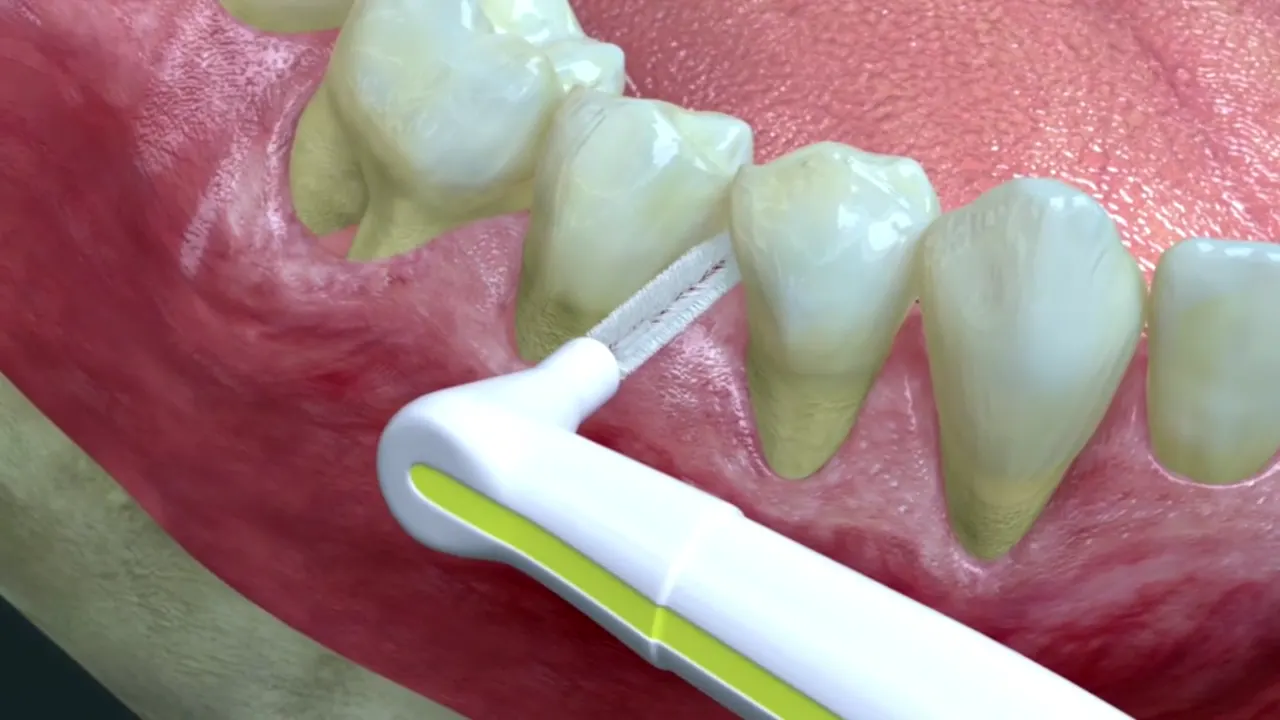
Daily cleaning matters more than the visit itself. The EFP guideline specifies that toothbrushing should be supplemented with interdental brushes, and that floss is not suggested as the first choice where the spaces let a brush through [1].
- One interdental brush per space, the largest size that passes without forcing.
- Once a day, ideally in the evening, before brushing.
- A soft toothbrush, manual or electric, twice a day.
Loose teeth: stabilising with a splint
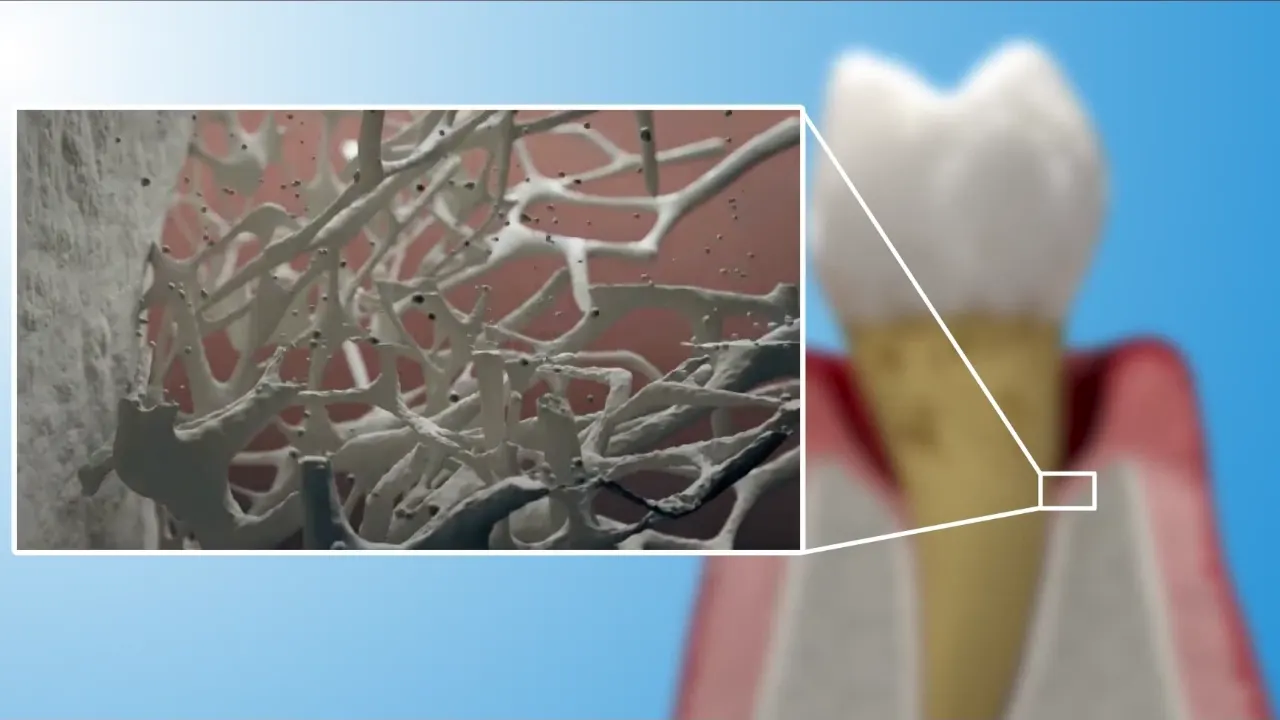
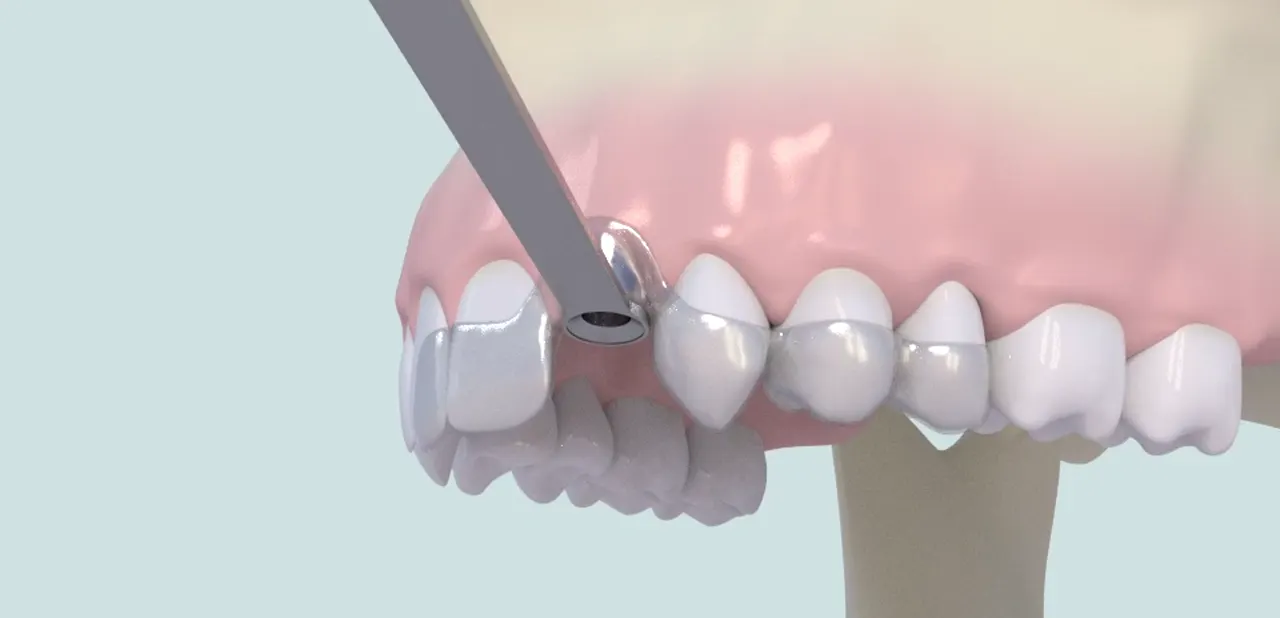
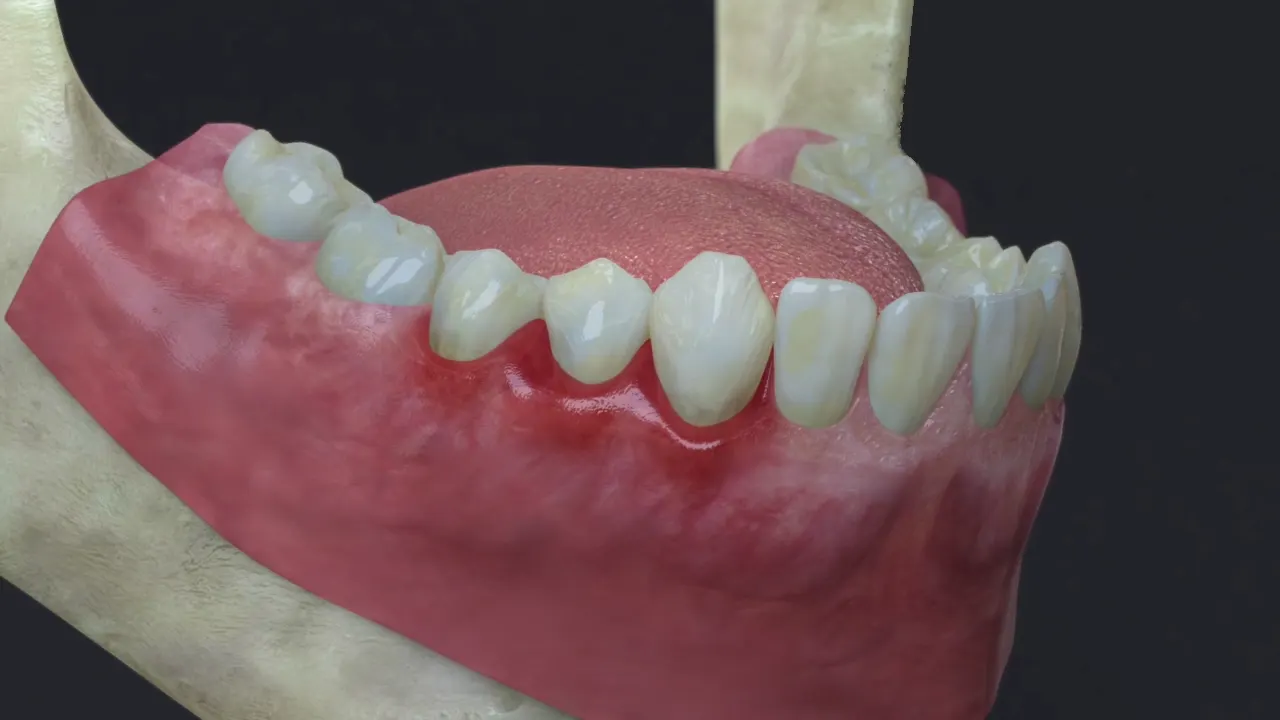
After advanced periodontitis, some teeth stay loose even once inflammation is under control: they have lost part of their support. They may also have moved, drifted apart or forward, which further weakens their balance.
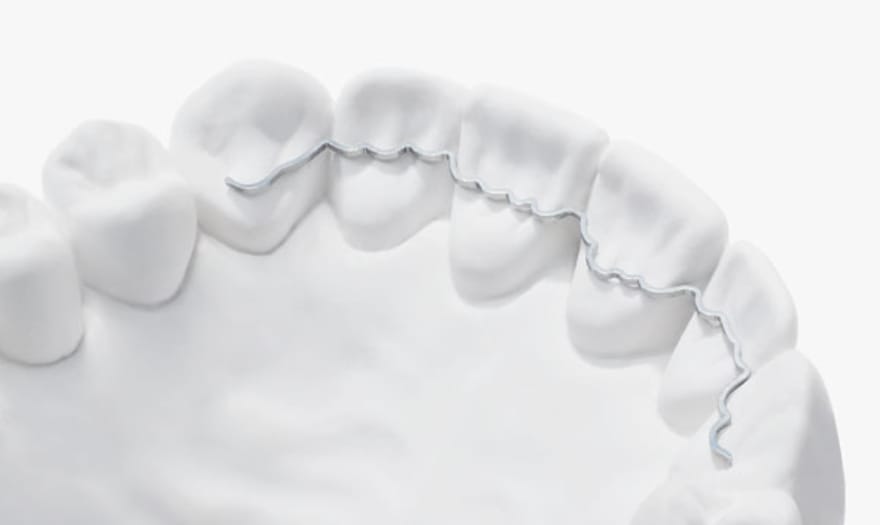
A bonded splint joins these teeth with a fine wire set on their inner surface. It improves chewing comfort and spreads the load, but it does not rebuild bone: gum health still rests on maintenance, and cleaning around the wire with suitable interdental brushes calls for particular care. How it is placed, cared for and where it fits in treatment are explained on the page Splinting loose teeth. When teeth have moved, orthodontic treatment can be considered once the disease is stable.
Smoking and diabetes: two factors that change the outlook
Smoking. Smoking is associated with a markedly higher risk of developing and worsening periodontitis [4], and it weakens the response to treatment: in smokers, pockets close less often and relapse is more frequent. Stopping smoking is among the measures recommended from the very start of treatment [1]; the practice can point you towards stop-smoking support. The figures on smoking and the other risk factors are presented in the article Understanding periodontitis.
Diabetes. Diabetes and periodontitis influence each other in both directions [5]: poorly controlled diabetes undermines the results of maintenance, and periodontal treatment modestly improves HbA1c, by about 0.4 percentage points at 3–4 months in randomised trials [6]. It helps to let the practice know your latest HbA1c and any change in your medication. The link between the two diseases is detailed in the article Diabetes and periodontitis.
The limits of maintenance
It reduces the risk of relapse; it does not remove it. Even with regular attendance, periodontitis can return at a few sites: a pocket that deepens again, bleeding that comes back. That is precisely why the gums are re-examined at every visit. A localised relapse is usually treated by re-instrumenting the site; a widespread relapse means returning to active treatment, then to maintenance.
Some teeth keep a guarded prognosis. A tooth that has lost much of its support, a molar with furcation involvement or a very loose tooth may be lost despite diligent follow-up. In the study cited above, tooth loss remained notable in the highest-risk patients even with three-monthly visits [3]. These teeth are identified at the assessment; whether to keep them is a shared decision, reviewed as the visits go on.
Adherence fades over time. In the first years motivation runs high; then visits grow less frequent, especially when all is well and nothing hurts. Yet the return of the disease is silent. Cohort studies show that irregular attenders lose more teeth than regular ones, even though other differences between them may play a part [3]. The interval proposed takes this reality into account: a slightly longer interval that is kept beats a short one that is abandoned.
Frequently asked questions
My dentist does scale and polish appointments. Is that the same?
Not quite. After periodontitis, a visit includes checking the pockets and, if needed, cleaning below the gum line. Care can be shared with your dentist, provided the examinations are carried out and passed on.
What happens if I miss visits?
The disease does not necessarily return straight away, but the risk rises, particularly if pockets persist or if you smoke. A relapse can go unnoticed for months; regular examination of the pockets is what detects it.
What happens if the disease returns despite follow-up?
A relapse limited to a few sites is common and is dealt with at the visit, by cleaning below the gum at those sites again and adjusting the interval. A more widespread relapse, or pockets that deepen despite these measures, means returning to active treatment, sometimes surgical, before resuming maintenance.
How long do I need to continue?
In principle for life, with an interval that may lengthen if things stay stable over time.
What if I also have implants?
Implants are checked during the same visits, with a specific examination. A history of periodontitis increases the risk of peri-implantitis. See the article on gum care around implants.
Scientific sources (6)
- Sanz M, Herrera D, Kebschull M, et al. Treatment of stage I-III periodontitis-The EFP S3 level clinical practice guideline. J Clin Periodontol. 2020;47 Suppl 22:4-60. PubMed
- Scottish Dental Clinical Effectiveness Programme (SDCEP). Prevention and Treatment of Periodontal Diseases in Primary Care: Supportive periodontal care. periodontalcare.sdcep.org.uk
- Farina R, Simonelli A, Baraldi A, et al. Tooth loss in complying and non-complying periodontitis patients with different periodontal risk levels during supportive periodontal care. Clin Oral Investig. 2021;25:5897-5906. DOI
- Leite FRM, Nascimento GG, Scheutz F, López R. Effect of smoking on periodontitis: a systematic review and meta-regression. Am J Prev Med. 2018;54(6):831-841. PubMed
- Sanz M, Ceriello A, Buysschaert M, et al. Scientific evidence on the links between periodontal diseases and diabetes: Consensus report and guidelines of the joint workshop on periodontal diseases and diabetes by the International Diabetes Federation and the European Federation of Periodontology. J Clin Periodontol. 2018;45(2):138-149. DOI
- Simpson TC, Clarkson JE, Worthington HV, et al. Treatment of periodontitis for glycaemic control in people with diabetes mellitus. Cochrane Database Syst Rev. 2022;4:CD004714. DOI
Page written by Dr Victor Hazout, periodontist · updated on 11 October 2026
Patient pathway