





Periodontology: what a periodontist does and the signs that should alert you
Periodontology, also called periodontics, cares for what holds the teeth in place: the gum, the bone around the roots and the ligament that binds them together. Their diseases, gingivitis and then periodontitis, often advance for years without the slightest pain. Written by Dr Victor Hazout, a periodontist in Levallois-Perret, this page explains the periodontist's role, what patients mean by “receding” or “loosening” teeth, which signs warrant an examination and which page to turn to next, depending on your situation.
Contents6 sections
Pages in this section
How periodontitis is treated: from assessment to stability
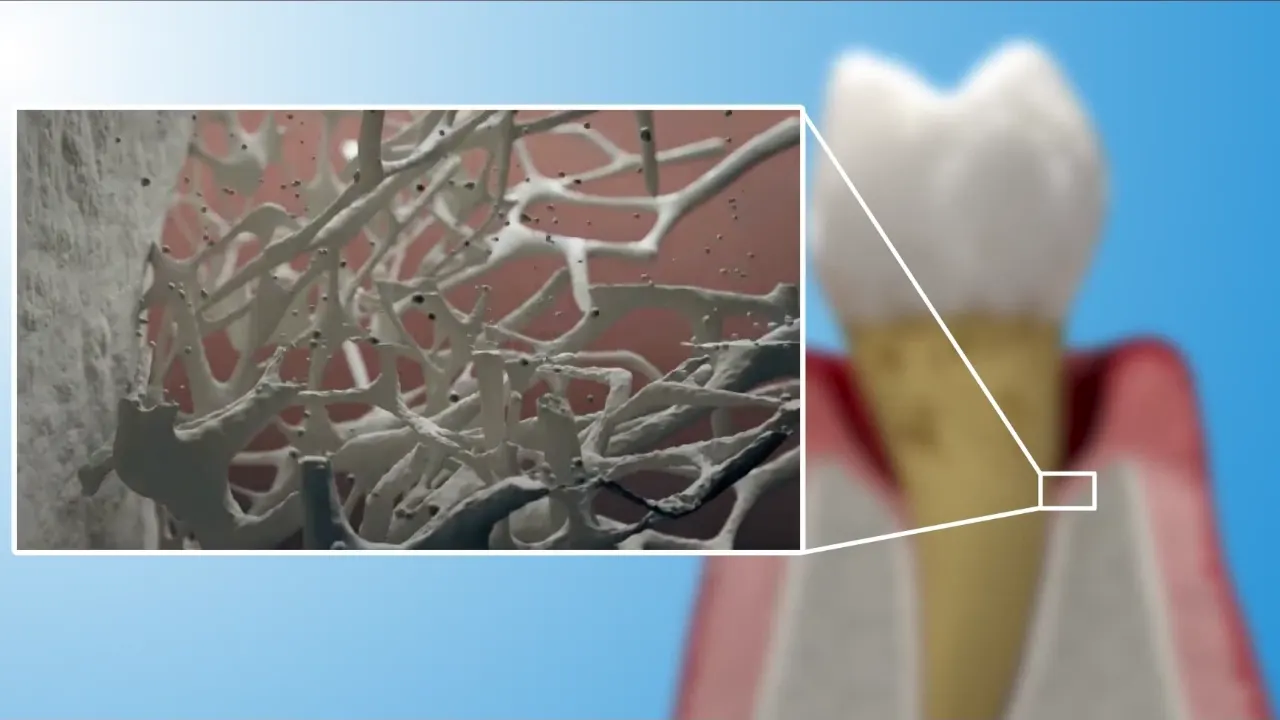
Treating periodontitis is not a “deep clean”. Here is the pathway as Dr Hazout practises it in Levallois-Perret: the assessment, full-mouth treatment in a single…
Diode and Er:YAG lasers: principle, indications and limits
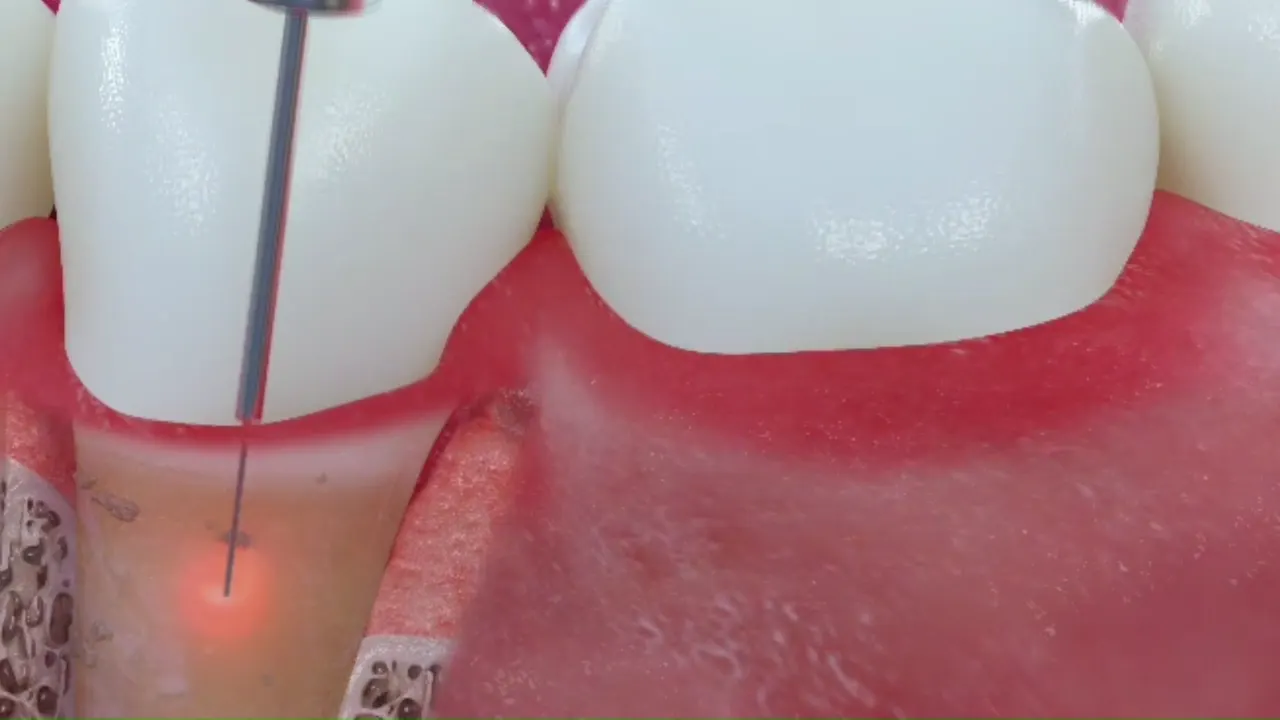
A dental laser cures nothing on its own: it is an instrument, and its effect rests on its wavelength and on the hand that guides it. This page explains how the two…
Periodontal maintenance: keeping results over time
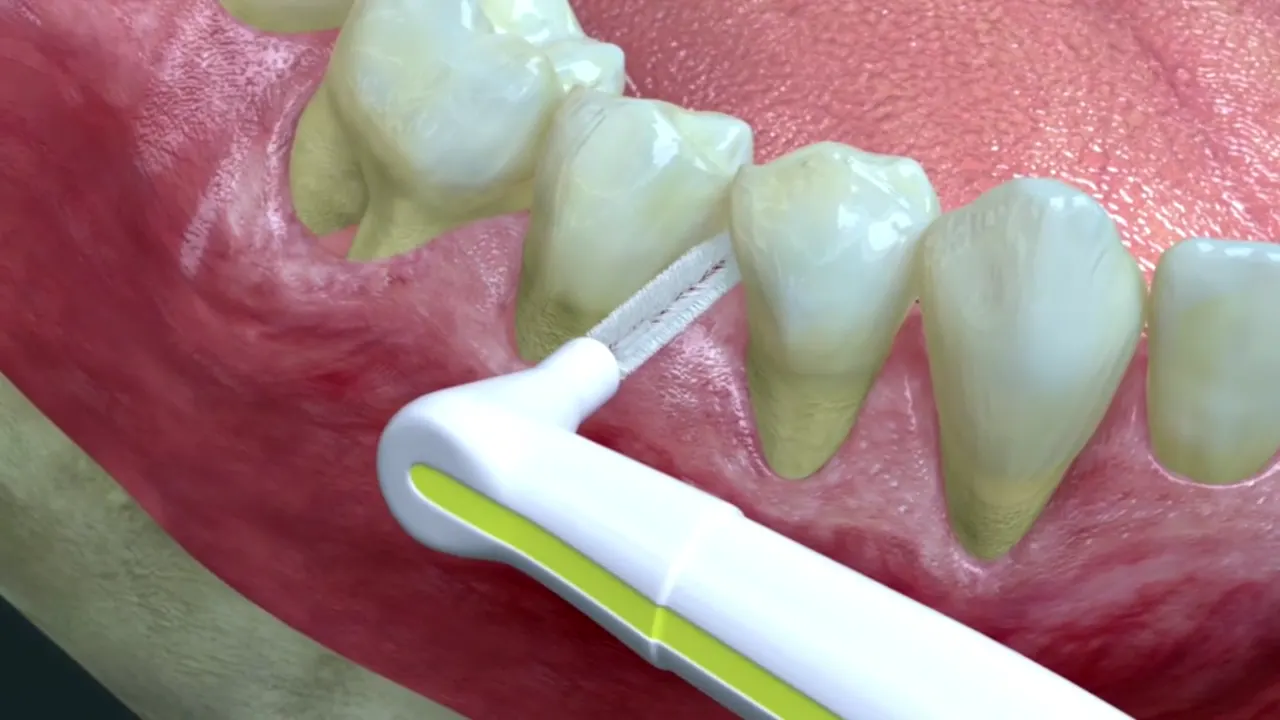
Once the pockets have been treated, treatment is not over: it changes pace. Maintenance, or supportive periodontal care, serves to detect any return of the disease early…
Gum hygiene: the right steps, in the right order
Four essential steps, always in this order: floss first, then the interdental brush, then the toothbrush. The water flosser, optional, can be added if needed. The…
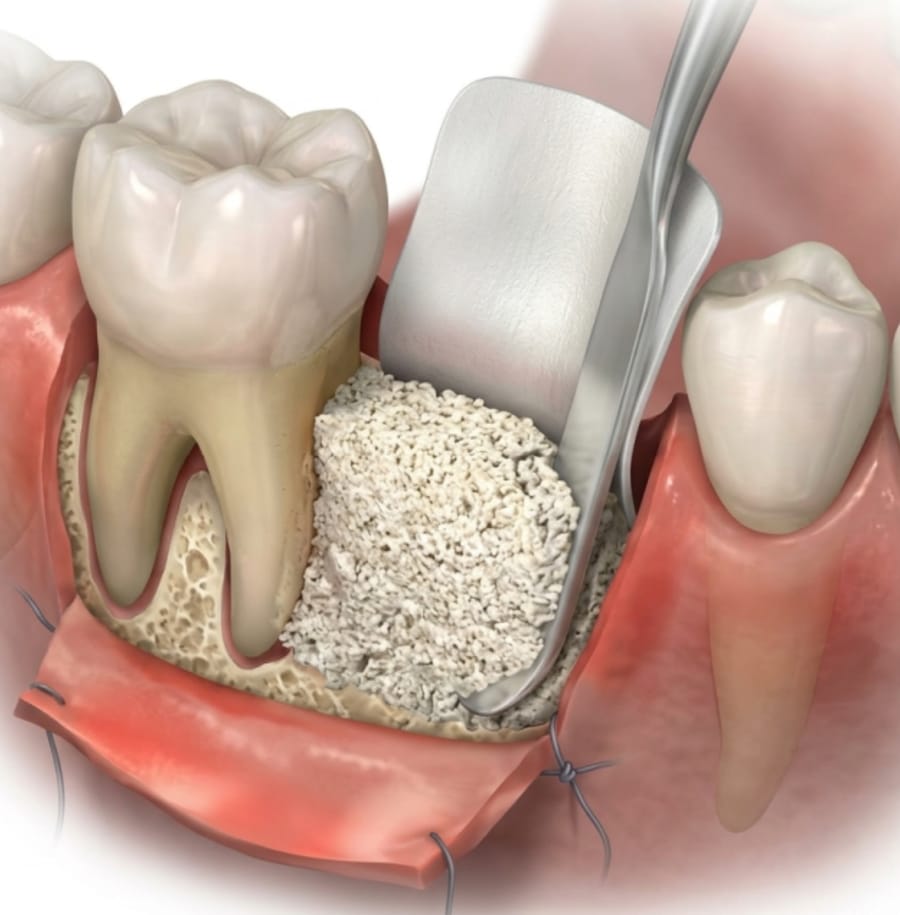
Periodontal regeneration: rebuilding part of the lost support
After initial treatment, a deep pocket may linger where the bone has been hollowed out along a root. In some of these situations, regenerative surgery can rebuild part…
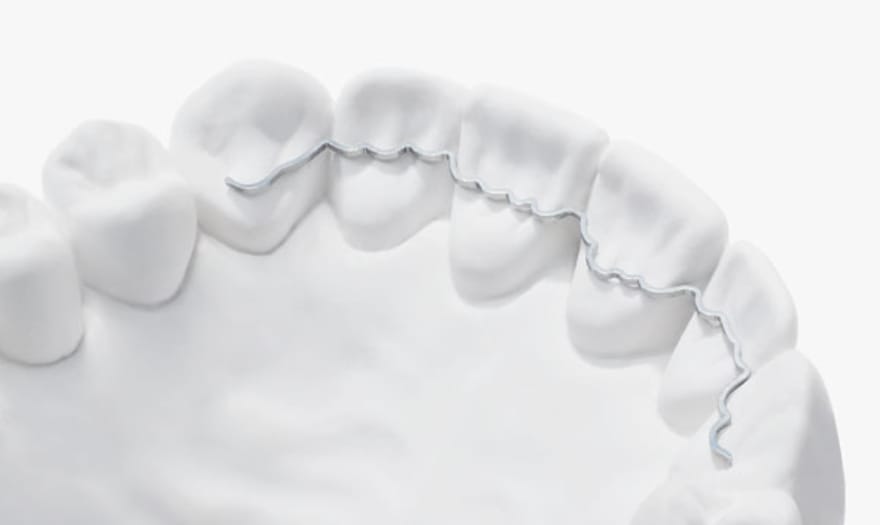
Periodontal splinting: stabilising loose teeth
After advanced periodontitis, some teeth stay uncomfortably loose even once the gums are healthy again. A bonded splint ties them together so that chewing is more…
The periodontium: gum, bone and ligament, everything that holds the tooth
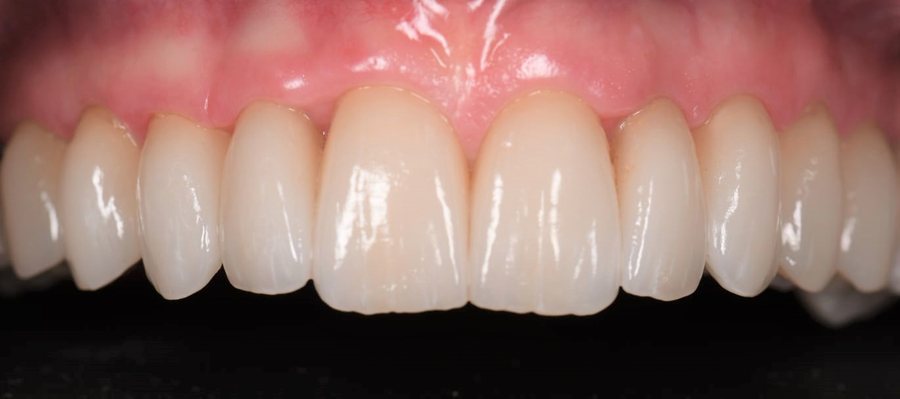
A tooth is not planted in bone like a post. It hangs in its socket from a ligament made of thousands of fibres, wrapped in alveolar bone and covered by the gum (gingiva). Together these form the periodontium, from the Greek for “around the tooth”. When healthy, it shows a pink, firm gum that hugs the outline of the teeth and does not bleed when you brush.
Periodontology, also known as periodontics, is the branch of dentistry that studies these supporting tissues, their diseases and their treatment. A periodontist is a dentist who has extended their initial training with university study in periodontology and devotes all or part of their practice to this care. Dr Victor Hazout holds a CES (certificate of advanced study) in periodontology (Paris 7, 2015) and a university diploma in clinical periodontics (Paris Descartes, 2016); his practice brings together periodontology, oral surgery and implant dentistry within a global, medical approach to periodontal disease.
Gingivitis or periodontitis: two stages of the same inflammation
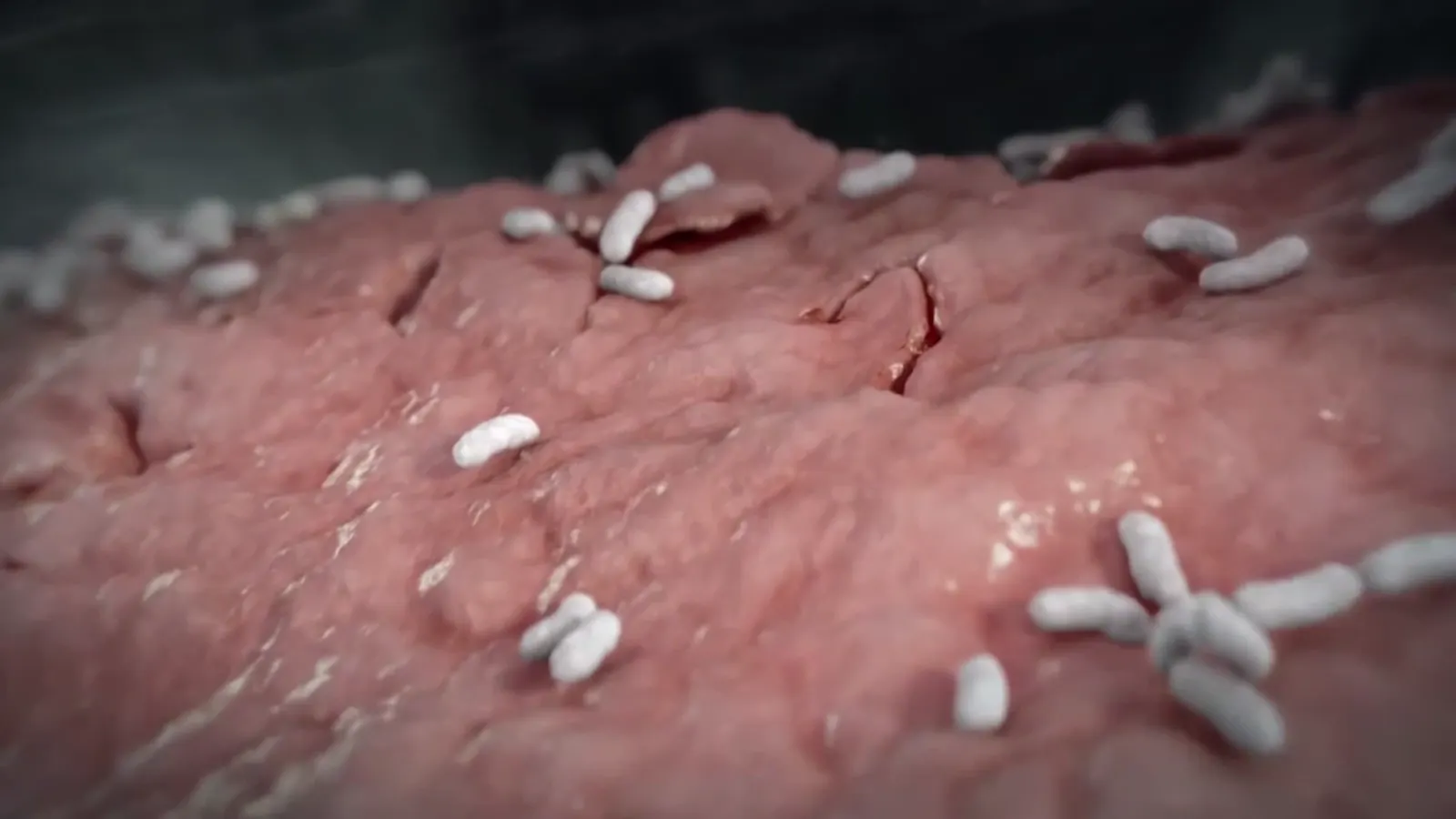
Gingivitis is inflammation of the gum triggered by dental plaque, the bacterial film that re-forms on the tooth surface every day. Its first signal is bleeding gums: when brushing, flossing or using interdental brushes, sometimes for no reason at all; the gum is red, slightly swollen and rarely painful. It is reversible: the gum recovers as soon as plaque is properly removed (see treating gingivitis). The 2018 international consensus describes it as a major risk factor for, and a necessary precursor of, periodontitis [1].
Periodontitis crosses a threshold: the inflammation gradually destroys the ligament, then the bone. Periodontal pockets open up between gum and root, beyond the reach of the toothbrush. This lost support does not come back on its own. Untreated, the disease can lead to loose teeth and, eventually, to tooth loss [2]. Severe periodontitis affected about 11% of the world's population in 2010, according to a large systematic review [3].
There is no visible boundary between the two. Only a gum examination, with X-rays, can tell whether the bone is affected. Symptoms, risk factors and how the diagnosis is reached are covered in the article Understanding periodontitis.
“Receding” and “loosening” teeth: what patients describe
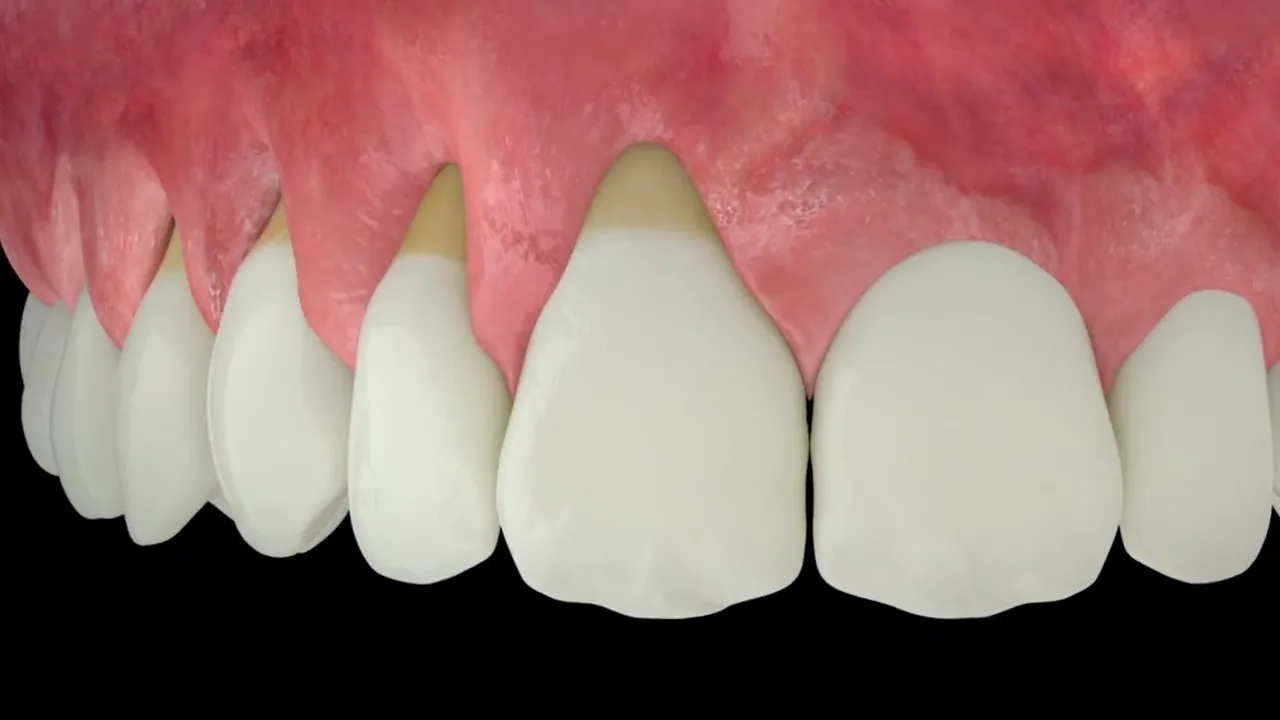
“My teeth are loosening” or “my gums are receding” come up in almost every first consultation. These words are not a diagnosis but a description: the gum has pulled back, part of the root shows, the teeth look longer, sometimes dark gaps open between them or a tooth moves. Behind the same words lie two very different situations.
Gum recession: the gum slides down the root while the bone between the teeth stays intact. It often involves one or a few teeth, in people with thin gums, after heavy brushing, orthodontic treatment or because a frenum pulls on the gum. The tooth remains stable; the main complaints are sensitivity to cold and appearance. A gum graft can cover the root in a number of cases: see Gum recession and gum grafts.
Periodontitis: the gum recedes because the bone that carried it has been destroyed by inflammation. Recession is then generalised or affects several areas, and it comes with bleeding, pockets and, at an advanced stage, mobility. The priority is not to cover the roots but to halt the bone loss: see How periodontitis is treated.
When should you see a periodontist?
None of these signs amounts to a diagnosis on its own. But their presence, particularly for more than two weeks despite careful brushing, warrants a periodontal examination:
- gums that bleed when you brush or floss, or spontaneously;
- red, swollen or tender gums;
- bad breath or a bad taste that will not go away;
- receding gums, teeth that look “longer”;
- gaps opening between teeth, teeth that move or drift;
- sensitivity to cold at the neck of the teeth;
- a gum abscess (swelling, sometimes with pus).
Some situations call for an assessment even without symptoms: a close relative who lost teeth young, diabetes, smoking, or plans for implants or adult orthodontics. In a meta-analysis, smoking was associated with a roughly 85% higher risk of developing or worsening periodontitis [5]. Your general dentist may also refer you after spotting gum inflammation or bone loss on an X-ray.
What does the periodontist do?
The management of periodontitis follows a stepwise logic, the one set out in the European Federation of Periodontology (EFP) clinical practice guideline published in 2020 [4]:
| Step | Aim | Page to read |
|---|---|---|
| Assessment | Examine the gums and bone; establish the diagnosis (stage and grade) | Periodontitis treatment |
| Active treatment | Bring plaque and risk factors under control, clean the roots below the gum line, operate if deep pockets persist | Periodontitis treatment |
| Maintenance | Keep results stable with regular visits, tailored to risk | Periodontal maintenance |
| Mucogingival surgery | Treat a receding gum (recession) | Gum recession and grafts |
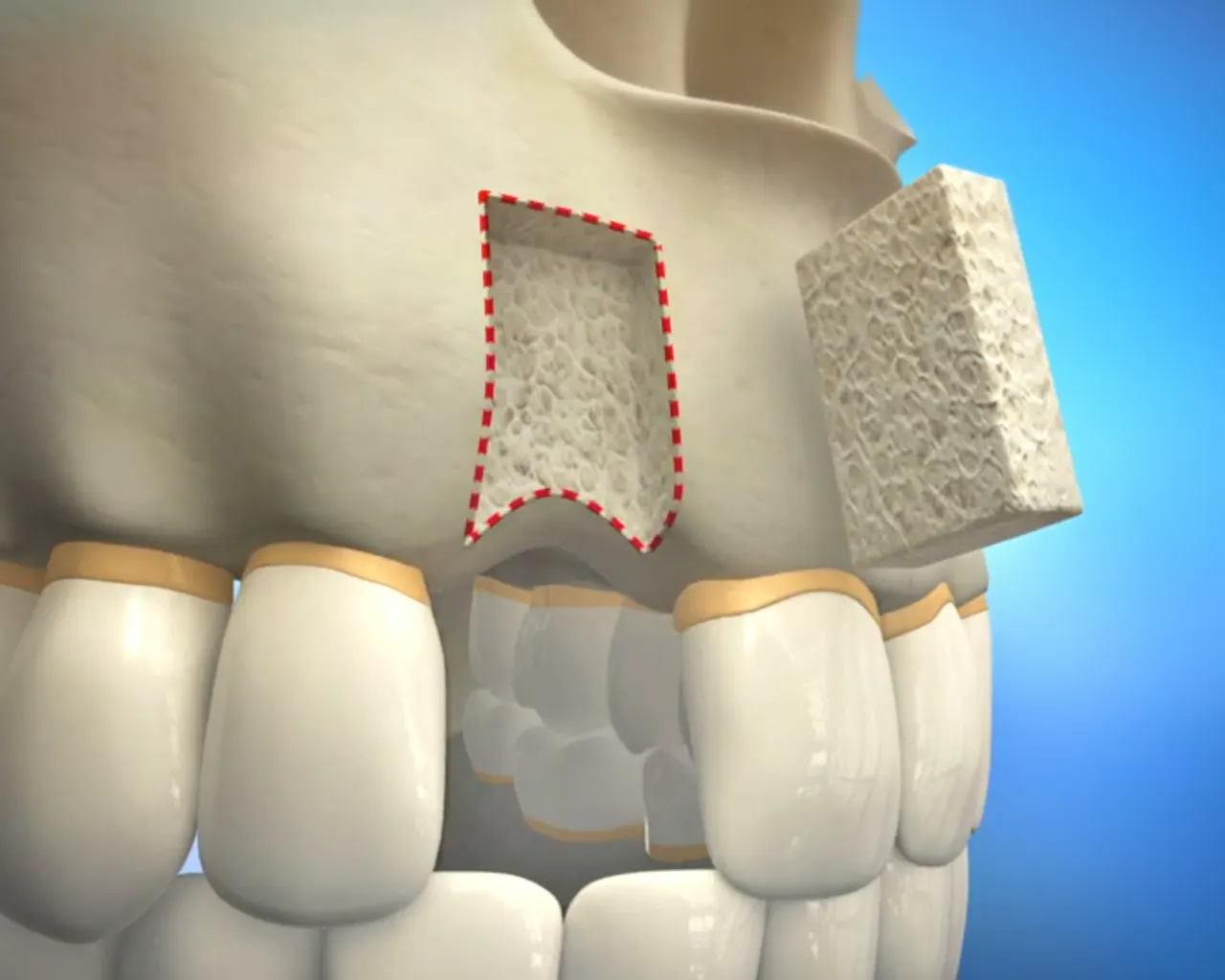
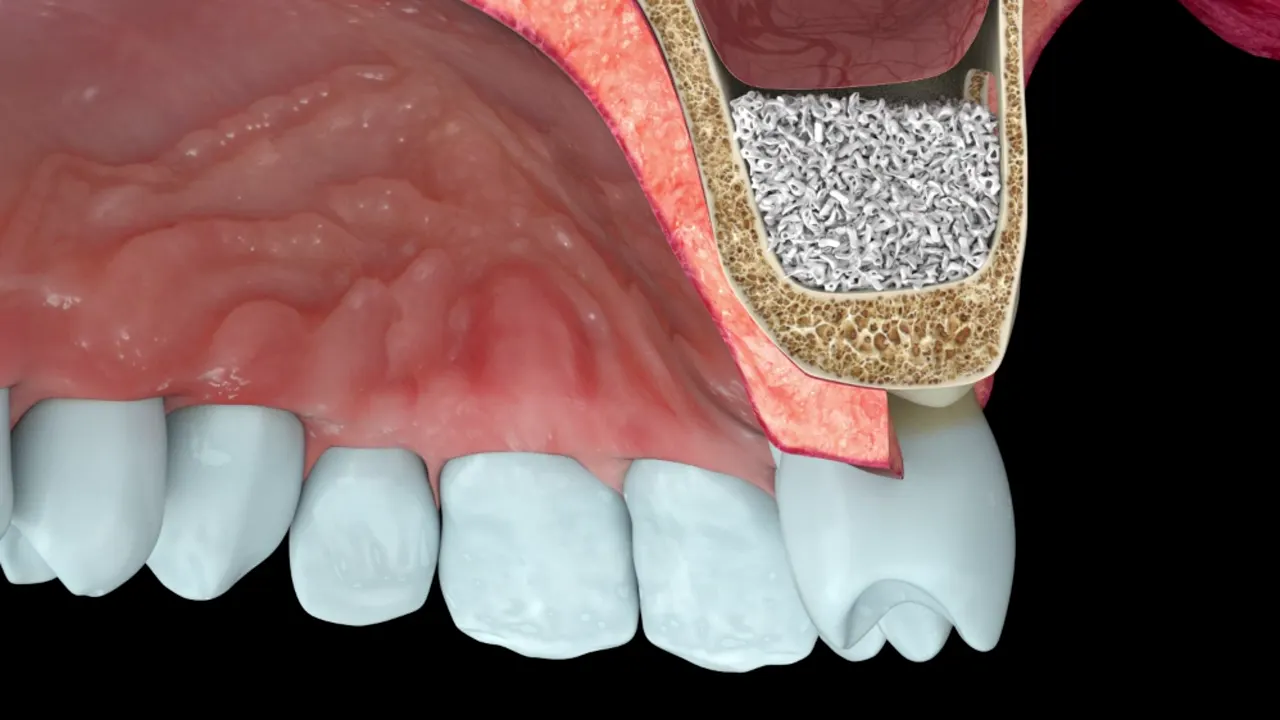
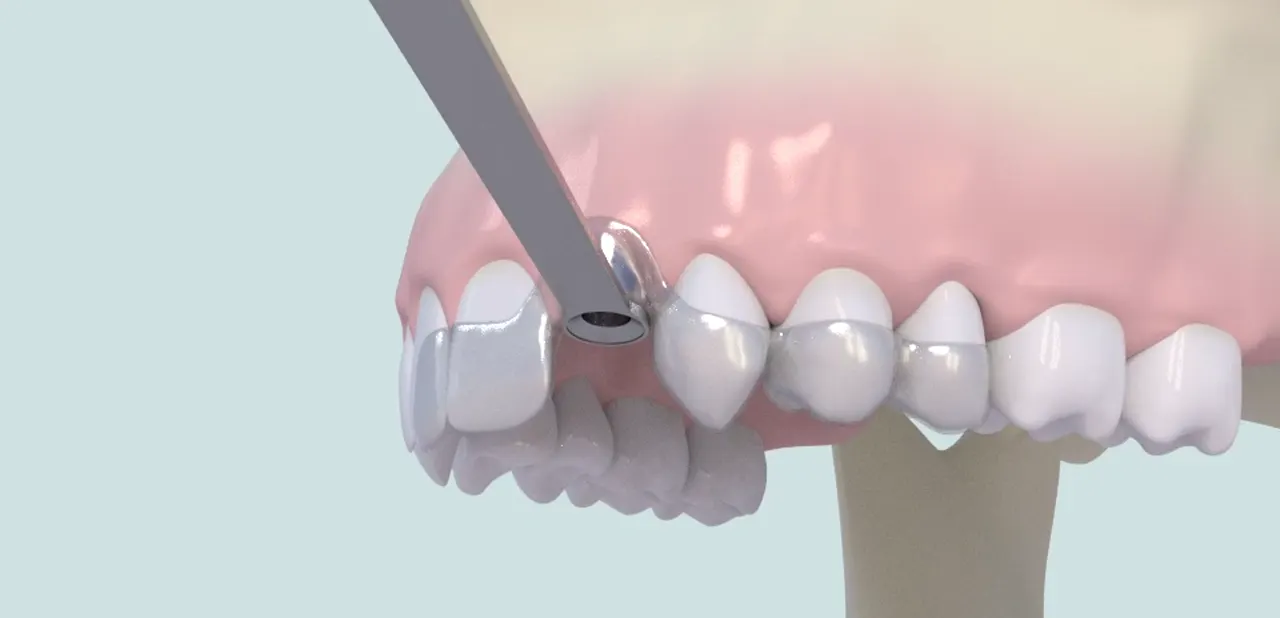
Depending on the situation, other treatments come into play. Periodontal regenerative surgery can rebuild part of the lost support in some bone defects. A bonded splint stabilises teeth that stay loose once inflammation is under control. Correcting a gum line that is too visible or uneven comes under gum aesthetics.
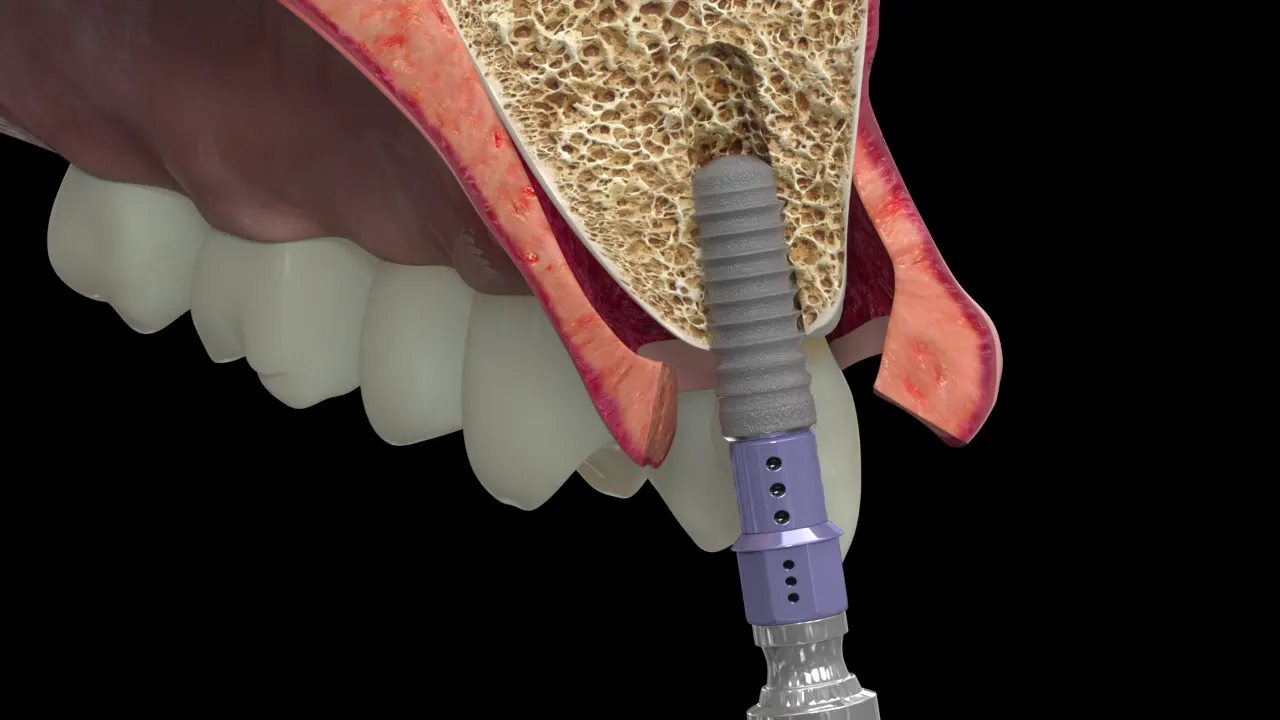
A periodontist also works around implants: preventing and treating peri-implant mucositis and peri-implantitis (see Gum care around implants), and preparing the tissues before implant placement (see Implants).
The practice is equipped with a diode laser and an Er:YAG laser. They complement the mechanical cleaning of the roots in some situations and are used chiefly in soft-tissue surgery; they do not replace root surface debridement. Their real value, their limits and the position of the guidelines are set out on the page Diode and Er:YAG lasers in periodontology.
Prevention belongs to periodontology as much as treatment does: learning to clean between the teeth, stopping smoking, keeping diabetes in balance and understanding what diet does to inflammation (see the article Nutrition, micronutrition and periodontal inflammation).
What to expect from a first visit
The first consultation, at the Levallois-Perret practice, is first of all about understanding your background: medical history, medication, smoking, diabetes, family dental history. The periodontist then examines the gums, and reads the X-rays. You are given a clear account of the diagnosis, the options and what each one involves. What to bring and what is decided there are set out on the First visit page.
Related articles
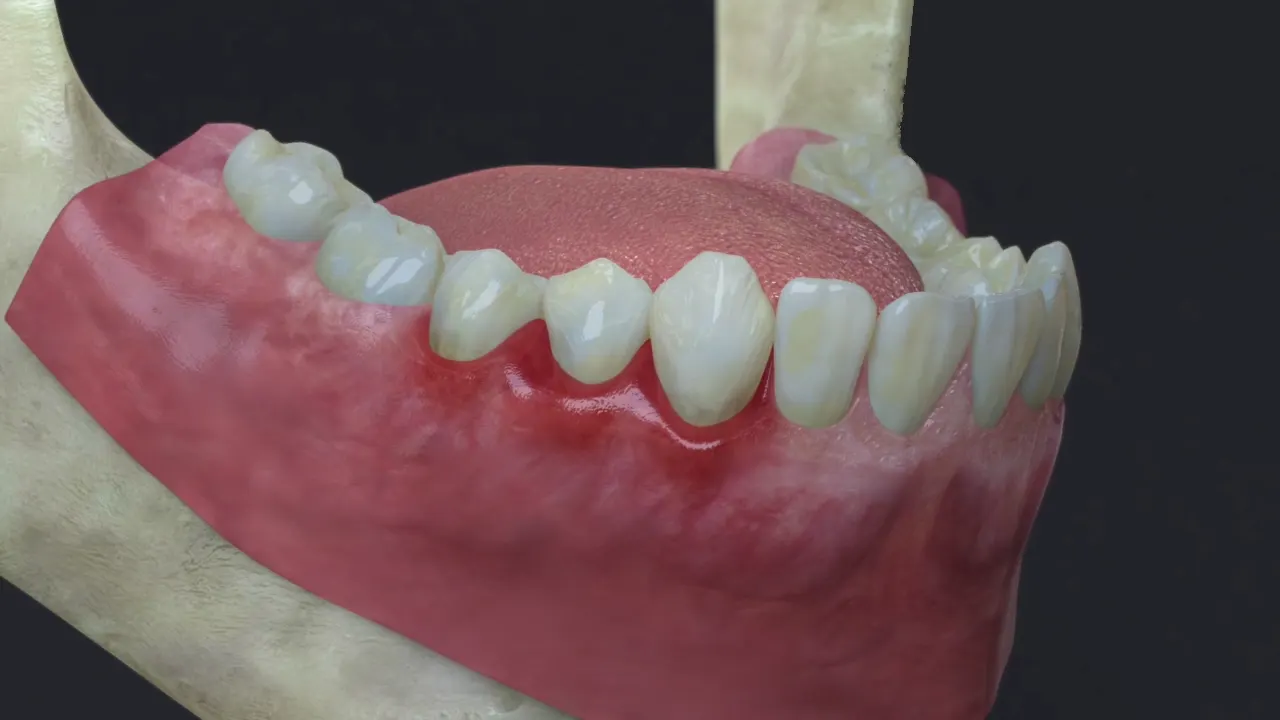
Understanding periodontitis: recognising the signs and how it is diagnosed
Periodontitis is among the most common chronic diseases, and among the least noticed. It advances without pain, and its first signs pass for merely irritated gums:…
Gum care around implants: preventing peri-implant mucositis and peri-implantitis
An implant cannot decay. But the gum and bone around it can become inflamed and break down, sometimes faster than around a tooth. The two diseases involved, peri-implant…
Frequently asked questions
Periodontics and periodontology: are they the same thing?
Yes. Both words refer to the same discipline: “periodontology” is the academic term, “periodontics” the one clinicians and patients use most. The periodontist is the dentist who practises it.
Do I need a referral from my dentist to see a periodontist?
No. You can book directly. If your dentist refers you, bring any recent X-rays and the referral letter: they will be useful.
My gums bleed a little. Is it serious?
Bleeding almost always points to inflammation. Most often it is gingivitis, reversible with more attentive oral hygiene. If it persists despite careful brushing, an examination checks that there are no pockets and no bone loss.
Can receding or loosening teeth be reversed?
Lost gum and bone do not rebuild themselves. The progression can, however, be halted by treating the cause, some roots can be covered with a gum graft and, in some bone defects, part of the support can be rebuilt by regenerative surgery. The outcome depends on the shape of the loss and on how early it is treated.
Does smoking hide the signs of gum disease?
Partly, yes. Smoking reduces blood flow in the gum, which bleeds less despite the inflammation. A smoker can therefore carry advanced periodontitis without noticeable bleeding.
Is periodontitis contagious?
Oral bacteria pass between people who live together, but the disease depends mainly on the body's response, oral hygiene and factors such as smoking or diabetes. It is therefore not contagious in the usual sense. A family history, though, is a good reason to be checked.
Scientific sources (5)
- Chapple ILC, Mealey BL, Van Dyke TE, et al. Periodontal health and gingival diseases and conditions on an intact and a reduced periodontium: Consensus report of workgroup 1 of the 2017 World Workshop on the Classification of Periodontal and Peri-Implant Diseases and Conditions. J Clin Periodontol. 2018;45 Suppl 20:S68-S77. DOI
- Papapanou PN, Sanz M, et al. Periodontitis: Consensus report of workgroup 2 of the 2017 World Workshop on the Classification of Periodontal and Peri-Implant Diseases and Conditions. J Clin Periodontol. 2018;45 Suppl 20:S162-S170. DOI
- Kassebaum NJ, Bernabé E, Dahiya M, Bhandari B, Murray CJL, Marcenes W. Global burden of severe periodontitis in 1990-2010: a systematic review and meta-regression. J Dent Res. 2014;93(11):1045-1053. PubMed
- Sanz M, Herrera D, Kebschull M, et al. Treatment of stage I-III periodontitis-The EFP S3 level clinical practice guideline. J Clin Periodontol. 2020;47 Suppl 22:4-60. PubMed
- Leite FRM, Nascimento GG, Scheutz F, López R. Effect of smoking on periodontitis: a systematic review and meta-regression. Am J Prev Med. 2018;54(6):831-841. PubMed
Page written by Dr Victor Hazout, periodontist · updated on 11 October 2026
Patient pathway