






Gum care around implants: preventing peri-implant mucositis and peri-implantitis
An implant cannot decay. But the gum and bone around it can become inflamed and break down, sometimes faster than around a tooth. The two diseases involved, peri-implant mucositis and peri-implantitis, are common and largely preventable through suitable daily care and regular follow-up. This article explains what they are, who is most at risk, which signs should alert you, how to clean around an implant with interdental brushes, floss and a water flosser, and what the 2023 European guideline advises.
Key points
- Peri-implant mucositis is reversible inflammation of the mucosa around an implant; peri-implantitis adds loss of supporting bone.
- In a systematic review, about 43% of implant patients had mucositis and 22% peri-implantitis, with wide variation from one study to the next.
- A history of severe periodontitis, poor plaque control and lack of regular follow-up are the most firmly established risk factors.
- The 2023 European guideline puts prevention first: periodontitis stabilised before implants, suitable oral hygiene and regular follow-up.
Contents8 sections
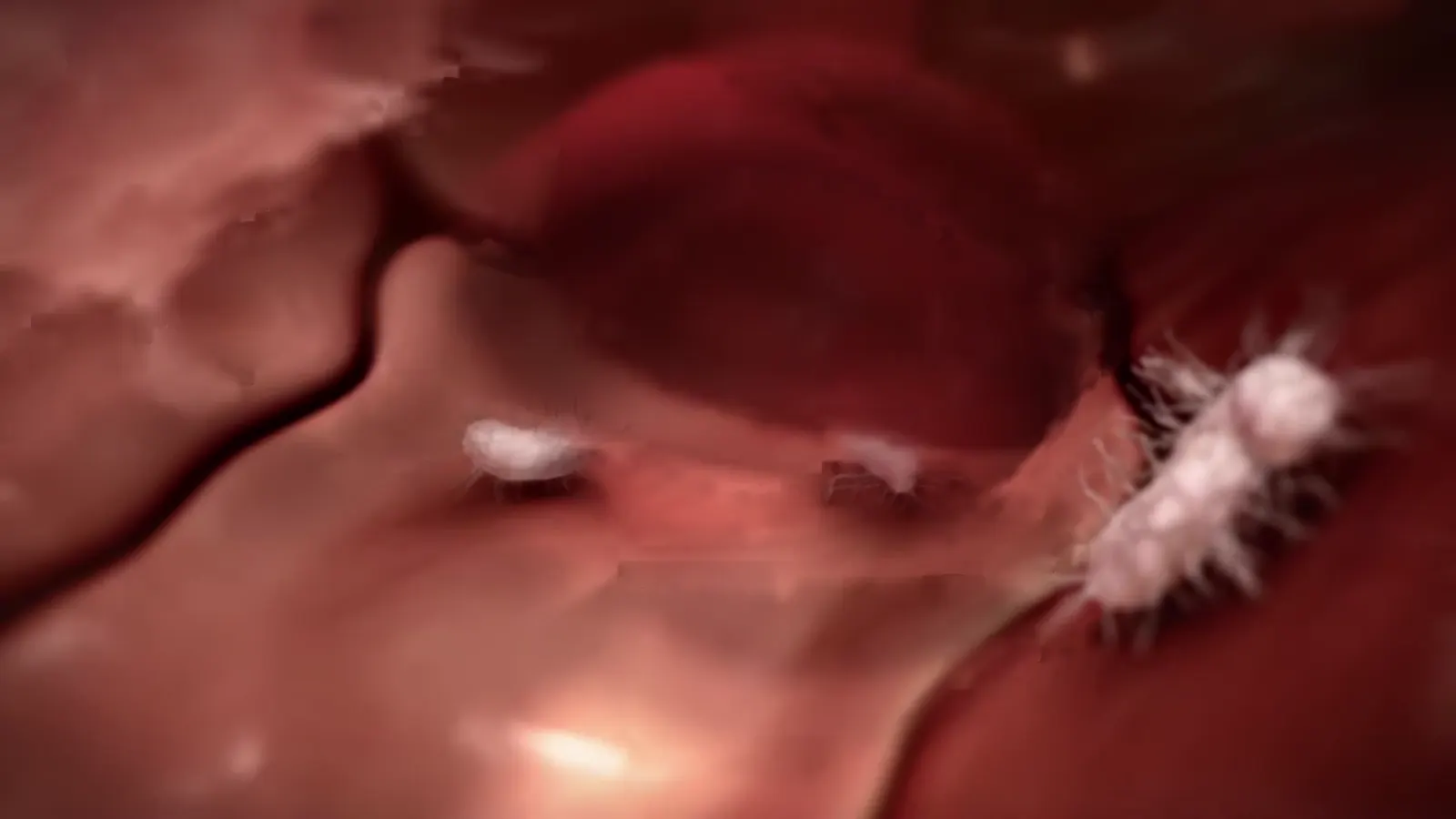
Two diseases, one origin
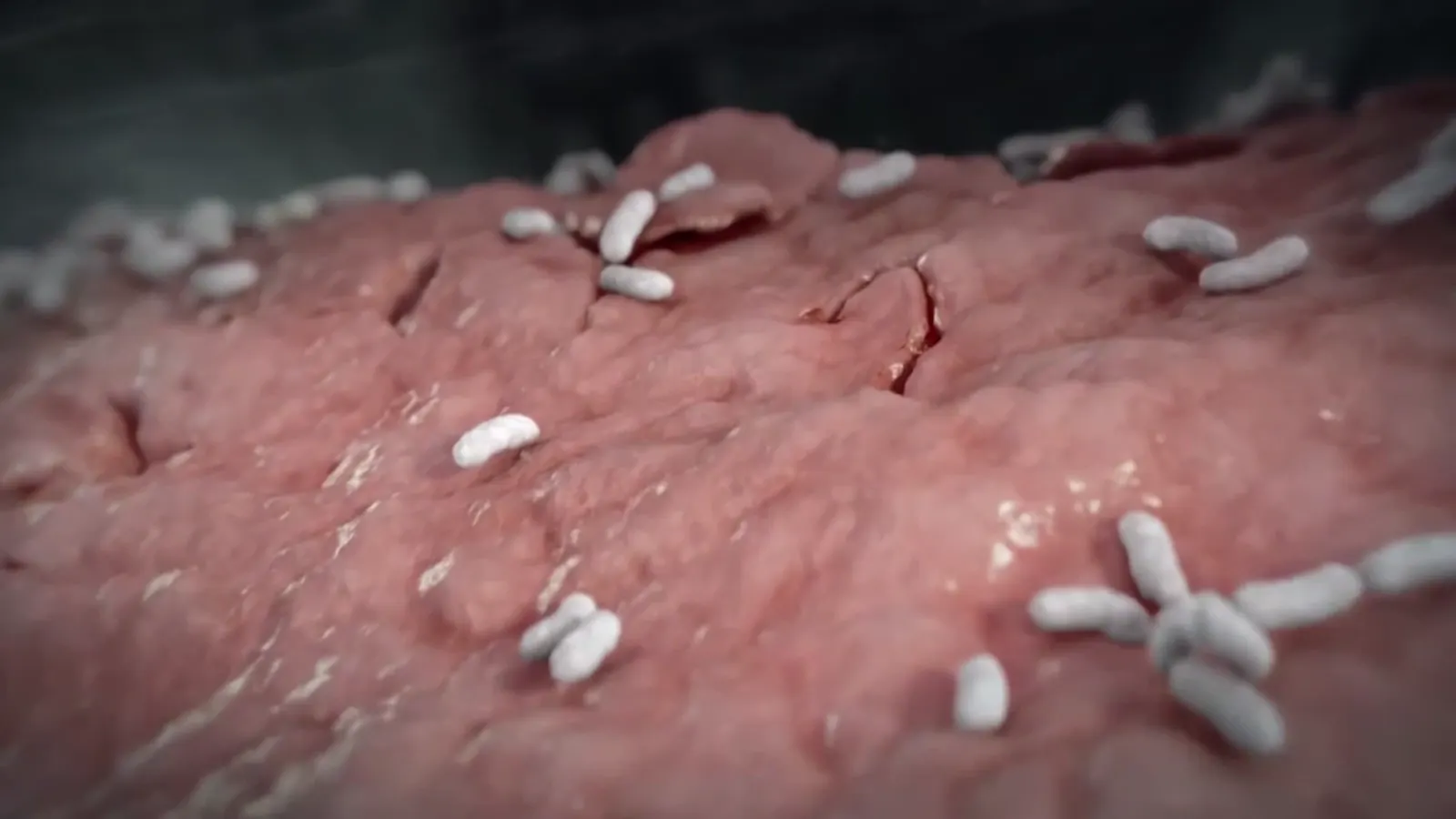
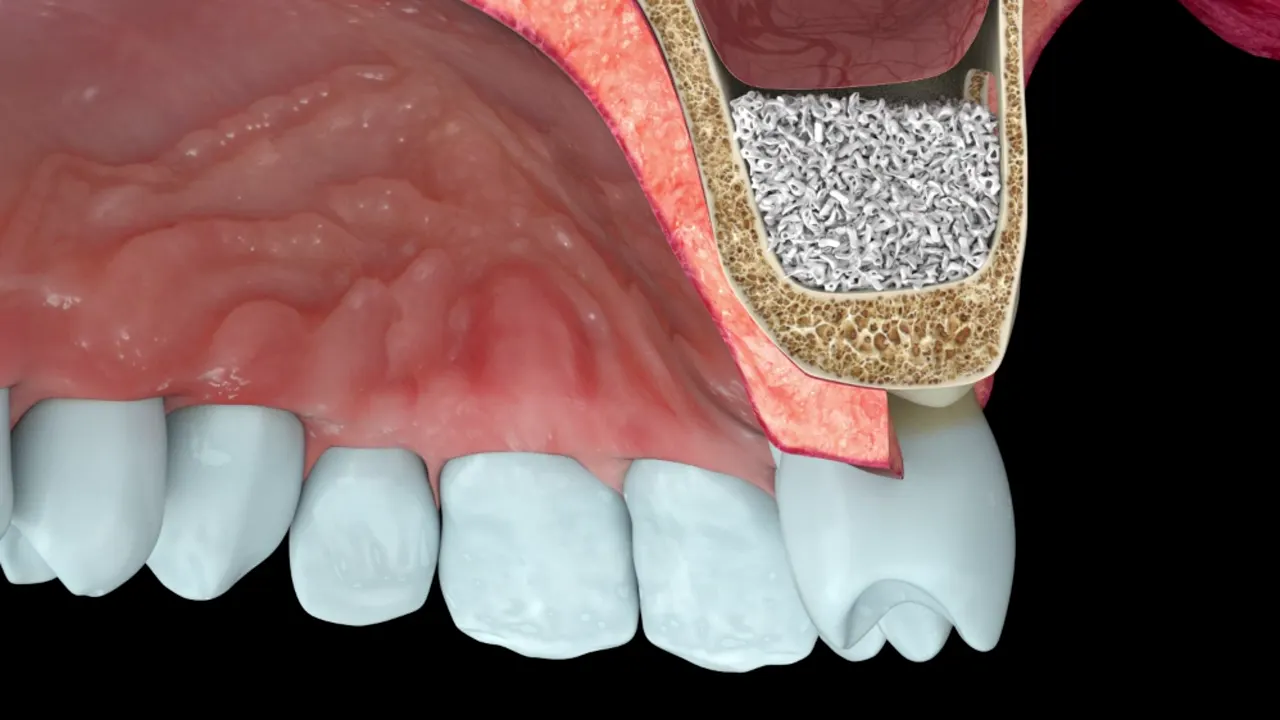
Around an implant, the gum (the peri-implant mucosa) does not attach to the surface as it does to a tooth: it sits against it as a cuff of tissue, without a ligament. This difference leaves it less well armed against bacterial plaque.
Peri-implant mucositis is inflammation of this mucosa, without bone loss. Its cardinal sign is bleeding of the mucosa around the implant. It is reversible: signs of inflammation may nonetheless take more than three weeks to fade once plaque control is restored [1].
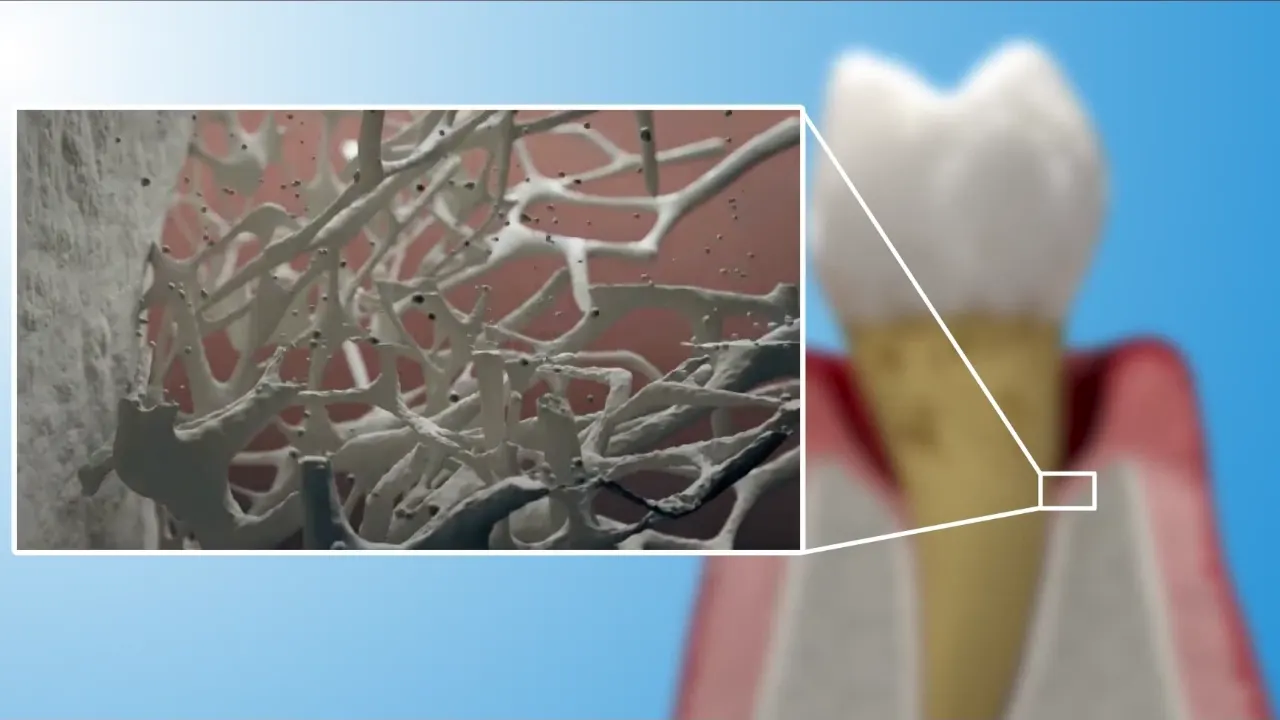
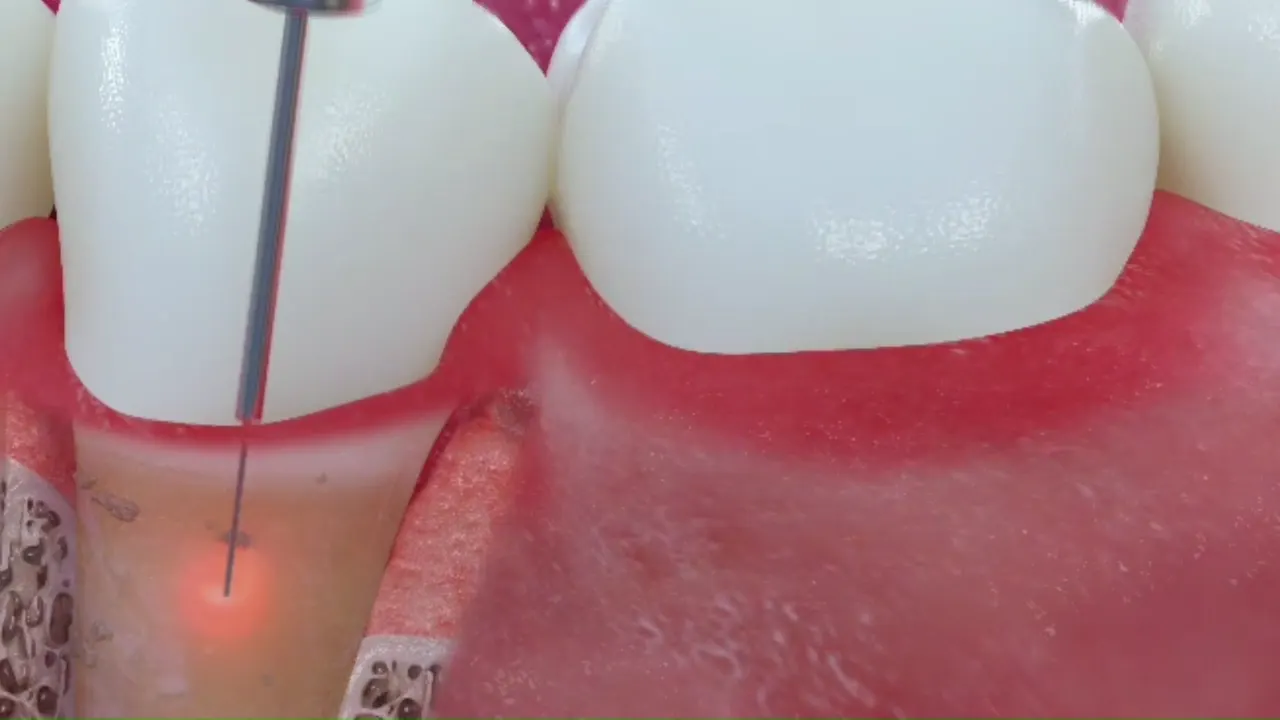
Peri-implantitis adds to this inflammation a progressive loss of the bone that supports the implant. According to the 2018 international consensus, it progresses in a non-linear, accelerating pattern and appears to advance faster than periodontitis [1]. Without a baseline examination, diagnosis rests on bleeding or pus around the implant and on a bone level 3 mm or more below the highest point of the part of the implant placed in the bone [1].
Common complications
The systematic review by Derks and Tomasi (2015), taken up in the 2023 European guideline, put prevalence at about 43% of patients for mucositis and 22% for peri-implantitis [2][3]. These figures call for caution: definitions varied from study to study, and the confidence interval was wide (14 to 30% for peri-implantitis). They nonetheless establish that this is a common problem, not a rarity.
Who is most at risk?
The 2018 consensus separates factors whose role is well established from those for which the evidence is still insufficient [1]:
| Factor | Level of evidence (2018 consensus) |
|---|---|
| History of severe periodontitis | Strong evidence |
| Poor plaque control | Strong evidence |
| No regular maintenance | Strong evidence |
| Smoking | Inconclusive evidence |
| Diabetes | Inconclusive evidence |
For smoking and diabetes, “inconclusive” does not mean “no effect”: studies disagree or are lacking. The 2023 guideline names smoking among factors associated with mucositis, and reports lower rates of peri-implantitis in people with well-controlled diabetes than in those with poor control [3]. Stopping smoking and controlling diabetes therefore remain common-sense measures. Other elements count too: the shape of the crown, which must let interdental brushes through, and the position of the implant [3].
What the EFP recommended in 2023: prevention first
The 2023 European S3 guideline on peri-implant diseases gives prevention pride of place [3]. Among its strongest recommendations:
- Before the implant: treat gingivitis or periodontitis to stability (gums that no longer bleed) and follow a maintenance programme before placement.
- At the planning stage: leave enough space between the implant and neighbouring teeth, choose a suitable placement depth and a prosthesis that lets oral hygiene aids through.
- After placement: take a baseline X-ray once bone remodelling is complete, then check the mucosa around the implant at every visit.
- Day to day: receive individually tailored oral hygiene instructions.
- Long term: attend regular supportive peri-implant care, even when all is well.
The guideline sets no interval valid for every healthy patient: it is tailored to risk. A 2016 meta-analysis, based on observational studies, likewise urged caution in reading its results and personalising the schedule [4]. After treatment of peri-implantitis, the 2023 guideline suggests closer follow-up, then individually adjusted [3]. The frequency is therefore set at the practice according to your risk, and this follow-up forms part of periodontal maintenance visits, which check teeth and implants at the same appointment.
Daily care around implants and bridges: interdental brushes, floss and water flosser
Plaque settles on implants just as it does on teeth, and the most exposed area is the junction between crown and gum, often harder to reach than around a natural tooth. Cleaning relies on the same tools, with a few adjustments:
- Toothbrush, soft, manual or electric, twice a day, bristles angled towards the junction between crown and gum, without pressing hard.
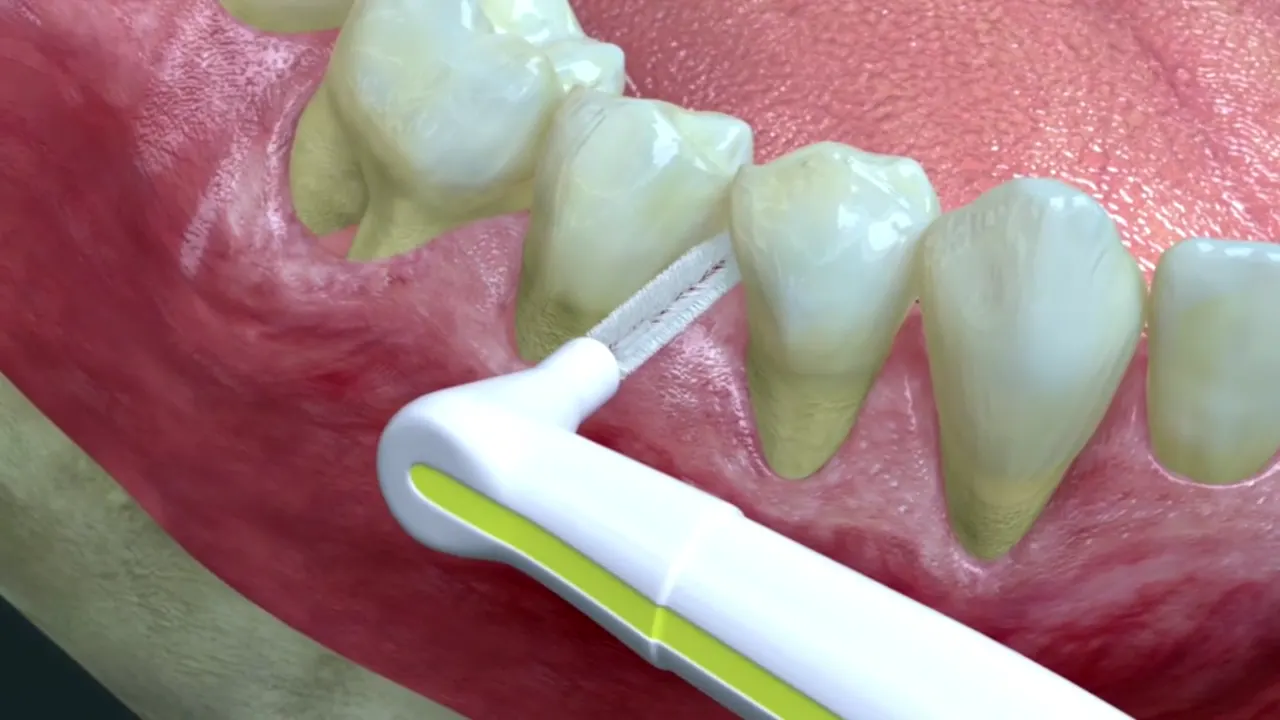
- Interdental brushes every day, sized for each space: the brush should enter with slight resistance, without forcing; too thin, it does not clean, too thick, it injures the gum. A coated wire avoids metal contact with the implant. Pass it straight through, with a few back-and-forth strokes, and replace it as soon as the bristles splay.
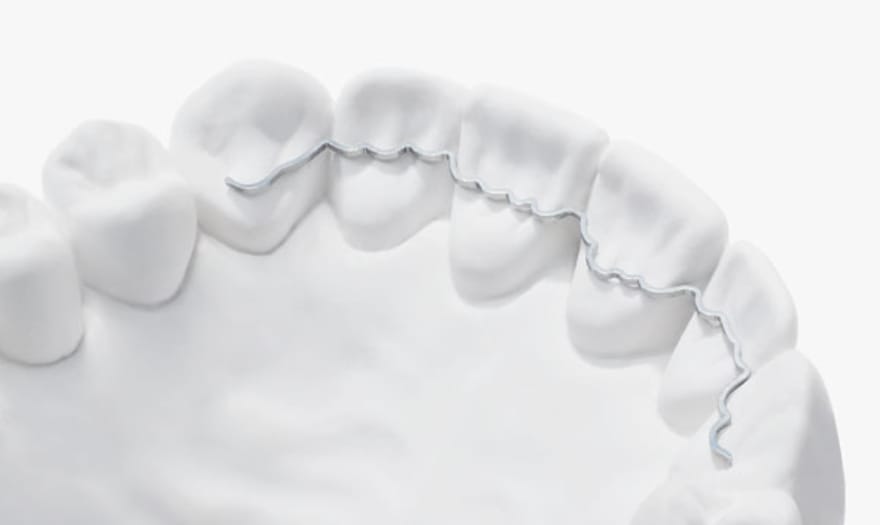
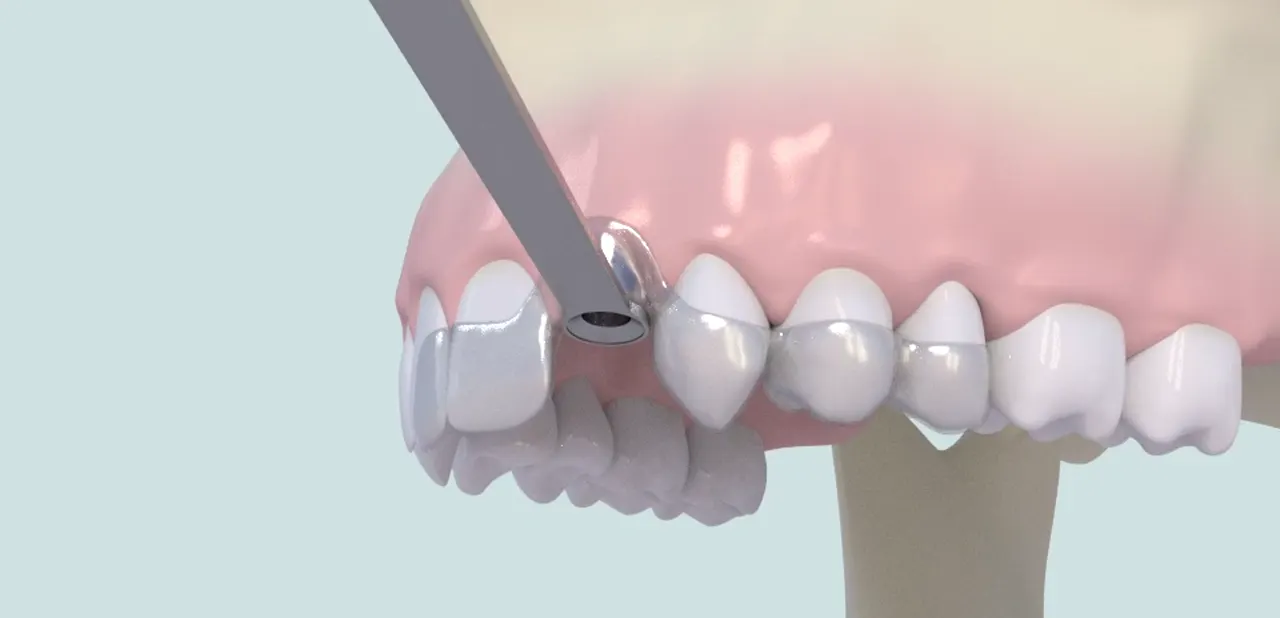
- Floss in spaces too narrow for a brush; for implant bridges, floss with a stiff threader slipped under the pontic, or an angled brush.
- Water flosser: the jet dislodges debris and rounds off the cleaning, especially under a bridge, but it does not replace the friction of a brush, which alone can disrupt plaque.
- If the gum is very thin or painful when brushing, say so: thickening the mucosa can sometimes be considered [3].
No brand stands out: what matters is the size of the brush, the regularity of the routine and, at follow-up visits, checking the areas where plaque lingers. The sizes suited to each space are indicated at the practice and reviewed as the gum changes.
Warning signs
Peri-implantitis is usually painless at first, like periodontitis. All the more reason to know its early, discreet signs:
- red, swollen gum, or gum that bleeds when brushing or when the interdental brush passes around the implant;
- persistent bad taste or bad breath, pus on pressing the gum;
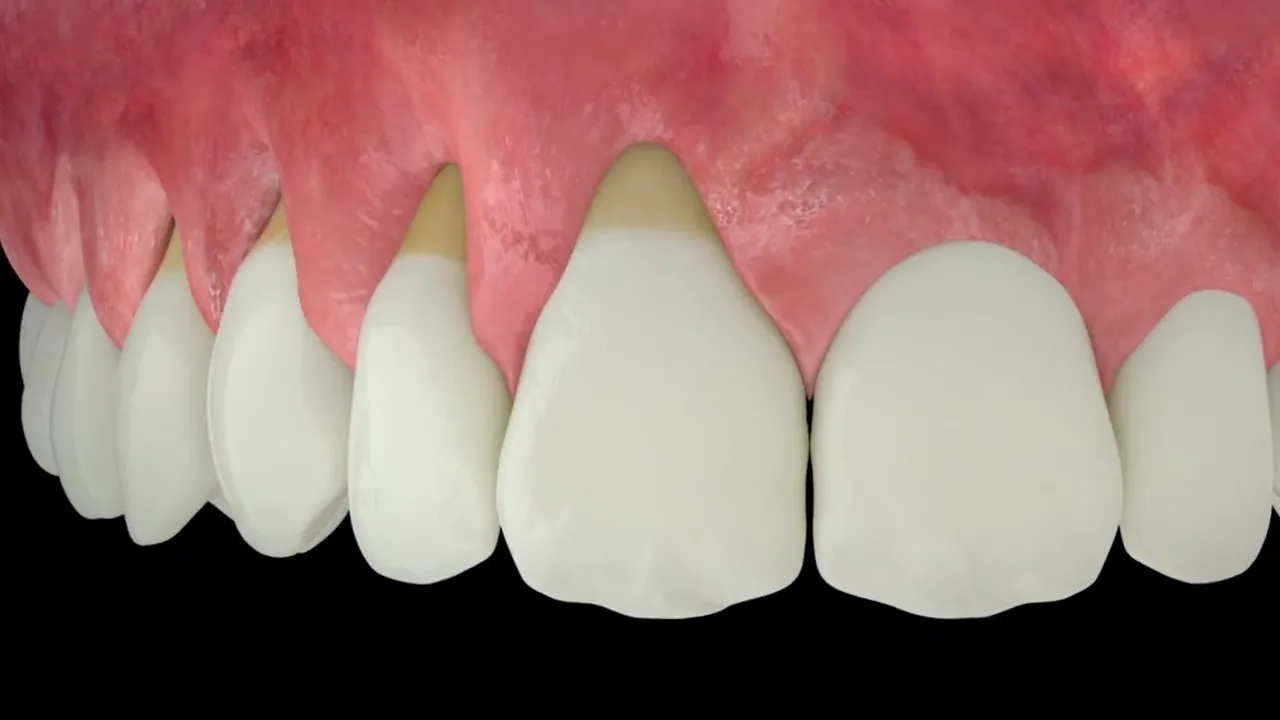
- gum receding to reveal the metal collar of the implant;
- a feeling of discomfort or pressure around the implant, food catching more than before;
- a crown that moves: this is often a loosened screw, to be told apart from mobility of the implant itself, which indicates advanced loss of anchorage.
If one of these signs appears, do not wait for your next appointment. Mucositis caught at this stage is treated simply; peri-implantitis detected early, through examination of the mucosa and an X-ray compared with the baseline, is treated with better prospects than an advanced form.
When disease is established: treatment
Mucositis. Recommended treatment pairs professional cleaning of the implant and prosthesis with effective plaque control at home [3]. A short course of antiseptic mouthwash may be considered. The guideline, however, suggests neither adding air-polishing to professional cleaning nor photodynamic therapy, and does not recommend local or systemic antibiotics.
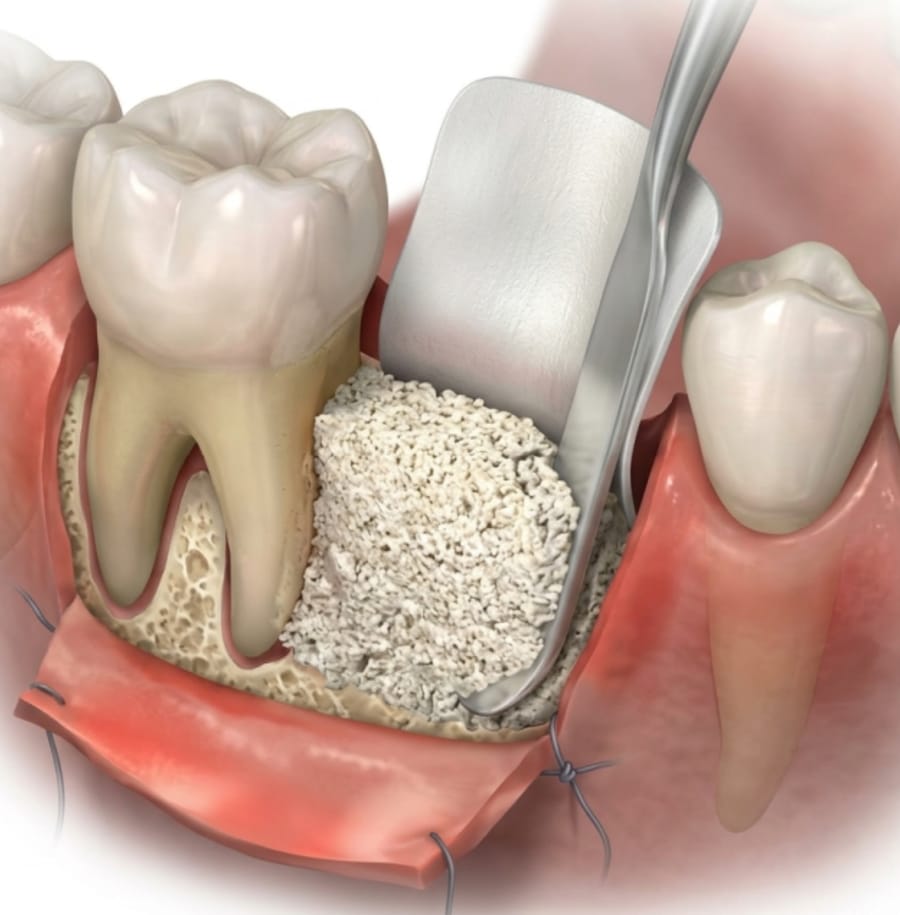
Peri-implantitis. Treatment begins with a non-surgical phase; if inflammation and pockets persist, surgery allows the implant surface to be cleaned under direct vision and, depending on the shape of the defect, part of the bone to be rebuilt [3]. Routine systemic antibiotics are not recommended.
Before and after the implant: where this care fits
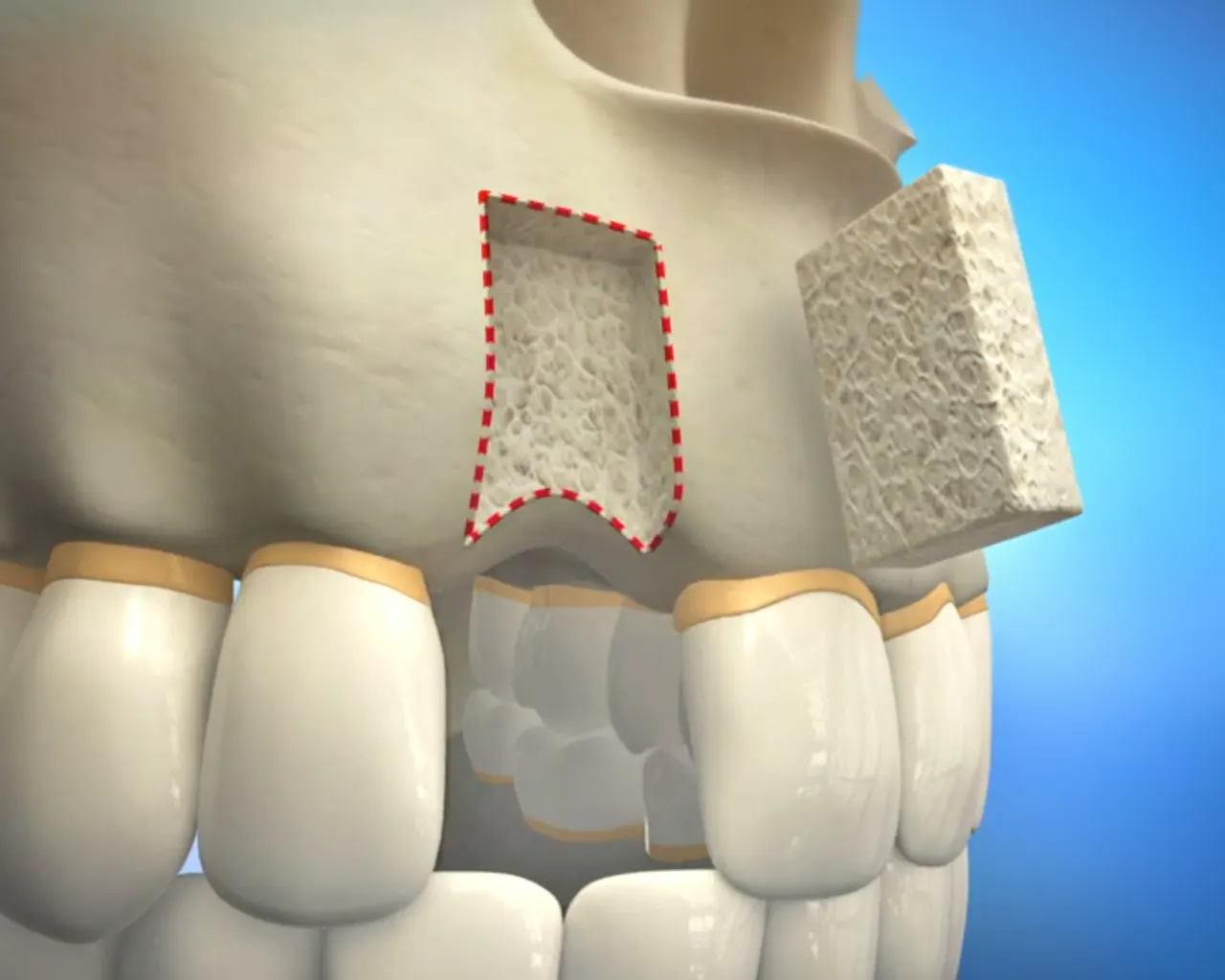
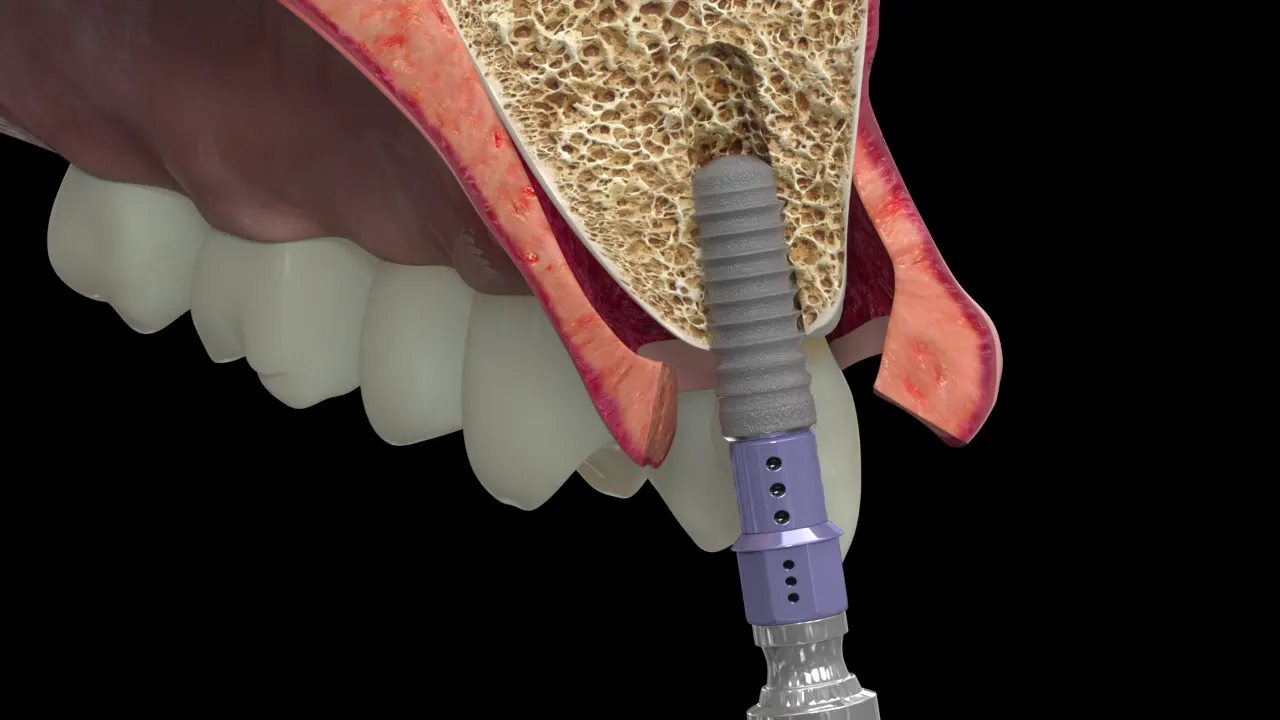
Prevention starts before placement. In someone who has had periodontitis, an implant is considered only once the disease has been treated and stabilised and follow-up is already in place: the preconditions and the course of treatment are described on the page Dental implants and bone surgery. After placement, the daily care described here and periodontal maintenance visits, during which implants are examined, cleaned with instruments that respect their surface and compared with baseline values, form a whole: one does not replace the other.
At Dr Hazout's practice in Levallois-Perret, this follow-up is identical for implants placed there and for those placed elsewhere; bringing the baseline X-ray, when you have it, makes it possible to judge the progression from the very first visit.
Frequently asked questions
Can an implant decay or wear out?
No, titanium does not decay. But the bone and gum that support it can be destroyed by inflammation, to the point of losing the implant.
I have had periodontitis: can I have implants?
Yes, provided the periodontitis is treated and stabilised before placement, then followed up regularly. A history of severe periodontitis remains a risk factor for peri-implantitis that you should be aware of.
How often should my implants be checked?
There is no schedule valid for everyone. It depends on your history, your oral hygiene and the condition of the tissues: it is set at the practice according to your risk, then adjusted.
Are implants cleaned like teeth during maintenance?
With suitable instruments that respect the implant surface, and an examination of the mucosa compared with the baseline examination.
Which interdental brush should I choose for an implant?
The one whose size matches the space: it should pass with slight resistance, without forcing or leaving play. A coated wire avoids metal contact with the implant. The brand matters little; the right size for each space is indicated at follow-up visits.
Scientific sources (4)
- Berglundh T, Armitage G, Araujo MG, et al. Peri-implant diseases and conditions: Consensus report of workgroup 4 of the 2017 World Workshop on the Classification of Periodontal and Peri-Implant Diseases and Conditions. J Clin Periodontol. 2018;45 Suppl 20:S286-S291. DOI
- Derks J, Tomasi C. Peri-implant health and disease. A systematic review of current epidemiology. J Clin Periodontol. 2015;42 Suppl 16:S158-S171. DOI
- Herrera D, Berglundh T, Schwarz F, Chapple I, Jepsen S, Sculean A, Kebschull M, Papapanou PN, Tonetti MS, Sanz M; EFP workshop participants and methodological consultant. Prevention and treatment of peri-implant diseases-The EFP S3 level clinical practice guideline. J Clin Periodontol. 2023;50 Suppl 26:4-76. DOI
- Monje A, Aranda L, Diaz KT, Alarcón MA, Bagramian RA, Wang HL, Catena A. Impact of maintenance therapy for the prevention of peri-implant diseases: a systematic review and meta-analysis. J Dent Res. 2016;95(4):372-379. DOI
Related treatments
Periodontal maintenance: keeping results over time
Once the pockets have been treated, treatment is not over: it changes pace. Maintenance, or supportive periodontal care, serves to detect any return of the disease early…
Dental implants and bone surgery: who they are for, and the pathway
In periodontics, keeping the teeth comes first. When a tooth can no longer be saved, an implant is one way of replacing it, on three conditions: enough bone, healthy…
Read next
How to choose a periodontist
Bleeding gums, receding gums, periodontitis diagnosed by your dentist: the time comes to see a practitioner who focuses on the gums. How do you find your way? Rather…
Understanding periodontitis: recognising the signs and how it is diagnosed
Periodontitis is among the most common chronic diseases, and among the least noticed. It advances without pain, and its first signs pass for merely irritated gums:…
Why plan in 3D before a bone graft and an implant?
A conventional X-ray shows bone from the front, like a cast shadow, and says nothing about its width. Yet width is often what decides: will the implant hold on its own,…
Patient pathway