








Diabetes and periodontitis: a two-way link, with the figures
Diabetes raises the risk of periodontitis; periodontitis, in turn, makes blood sugar harder to control. No relationship between the mouth and a general disease is better documented. Periodontal treatment lowers HbA1c on average, modestly, and the trials do not all point the same way. This article sets out the figures, their limits and what they change, day to day, for a person with diabetes.
Key points
- The relationship runs both ways: that is the conclusion of the consensus of the International Diabetes Federation (IDF) and the European Federation of Periodontology (EFP) [1].
- After periodontal treatment, HbA1c falls on average by about 0.4 percentage points at 3–4 months (moderate certainty) [2].
- A British trial measured a reduction of 0.6 points at 12 months [4]; a large American trial found no effect at 6 months [3].
- Cross-screening and coordination with the doctor are recommended [5]; periodontal treatment adds to diabetes treatment, it does not replace it.
Two chronic diseases that feed each other
HbA1c (glycated haemoglobin) reflects average blood glucose over the previous two to three months; it is the figure your doctor follows. Periodontitis is a chronic inflammation, triggered by plaque bacteria, that destroys the bone and attachment of the teeth: hence loosening and receding. The 2018 EFP–IDF consensus describes both as chronic non-communicable diseases, associated with increased mortality and linked in both directions [1].
From diabetes to the gums
When blood glucose stays high, gum tissues hold more pro-inflammatory mediators (IL-1β, TNF-α, IL-6), which contribute to greater periodontal destruction [1]. Poorly controlled diabetes goes hand in hand with more frequent, more severe periodontitis and a less favourable response to treatment [6]. Glycaemic control is what matters most: the better the diabetes is controlled, the closer the periodontal risk comes to that of a person without diabetes, without erasing it [1].
This is why the European guideline for treating periodontitis (EFP S3, 2020) recommends diabetes-control interventions in patients undergoing periodontal therapy (recommendation R1.7) [7]. The periodontist therefore asks about diabetes control and encourages the patient to raise it with their doctor, without ever taking the doctor's place.
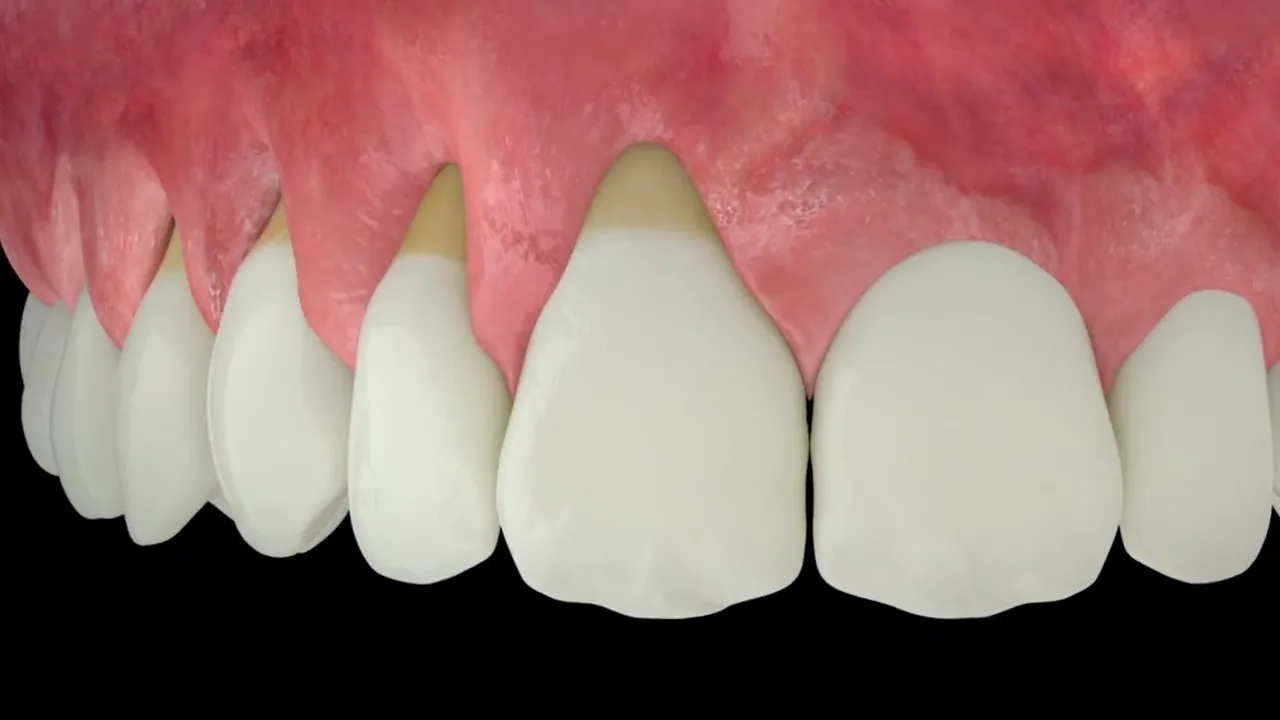
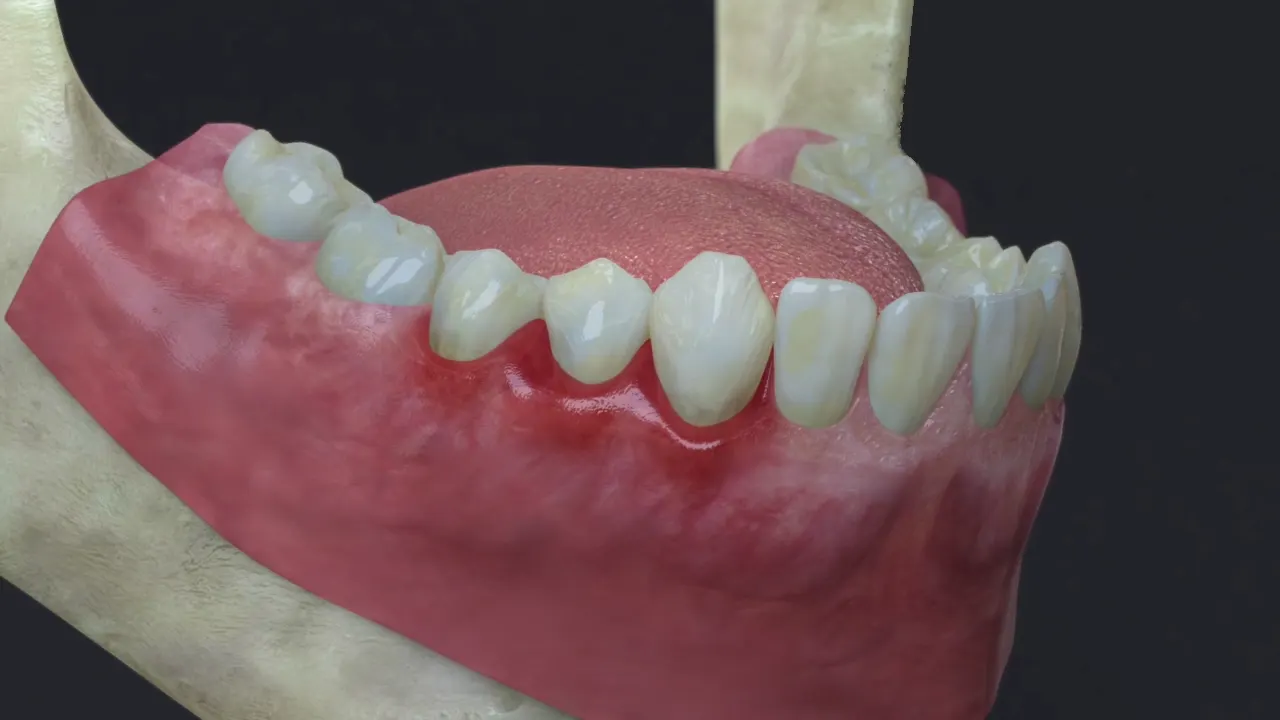
The warning signs for a person with diabetes are those of any periodontitis: gums that bleed on brushing, look red or swollen, persistent bad breath, teeth that seem longer or feel loose, gum abscesses. As periodontitis is often painless, a periodontal examination is worthwhile even without discomfort.
From the gums to blood sugar
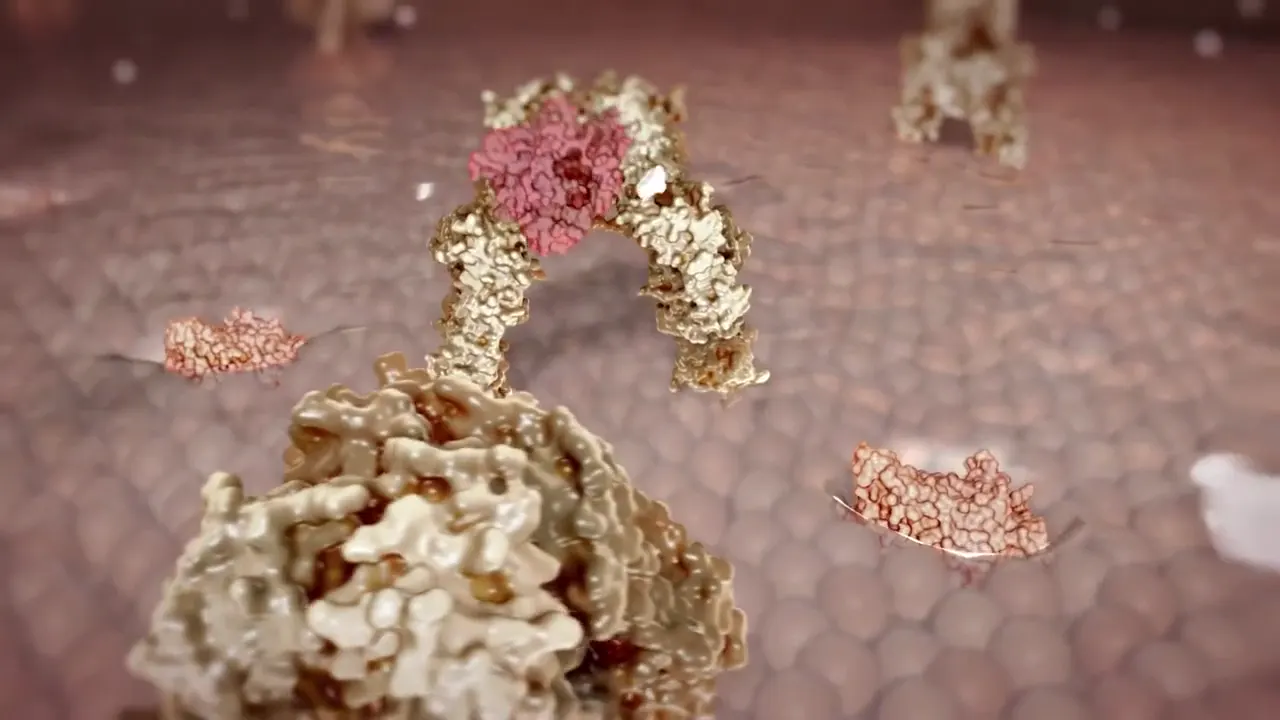
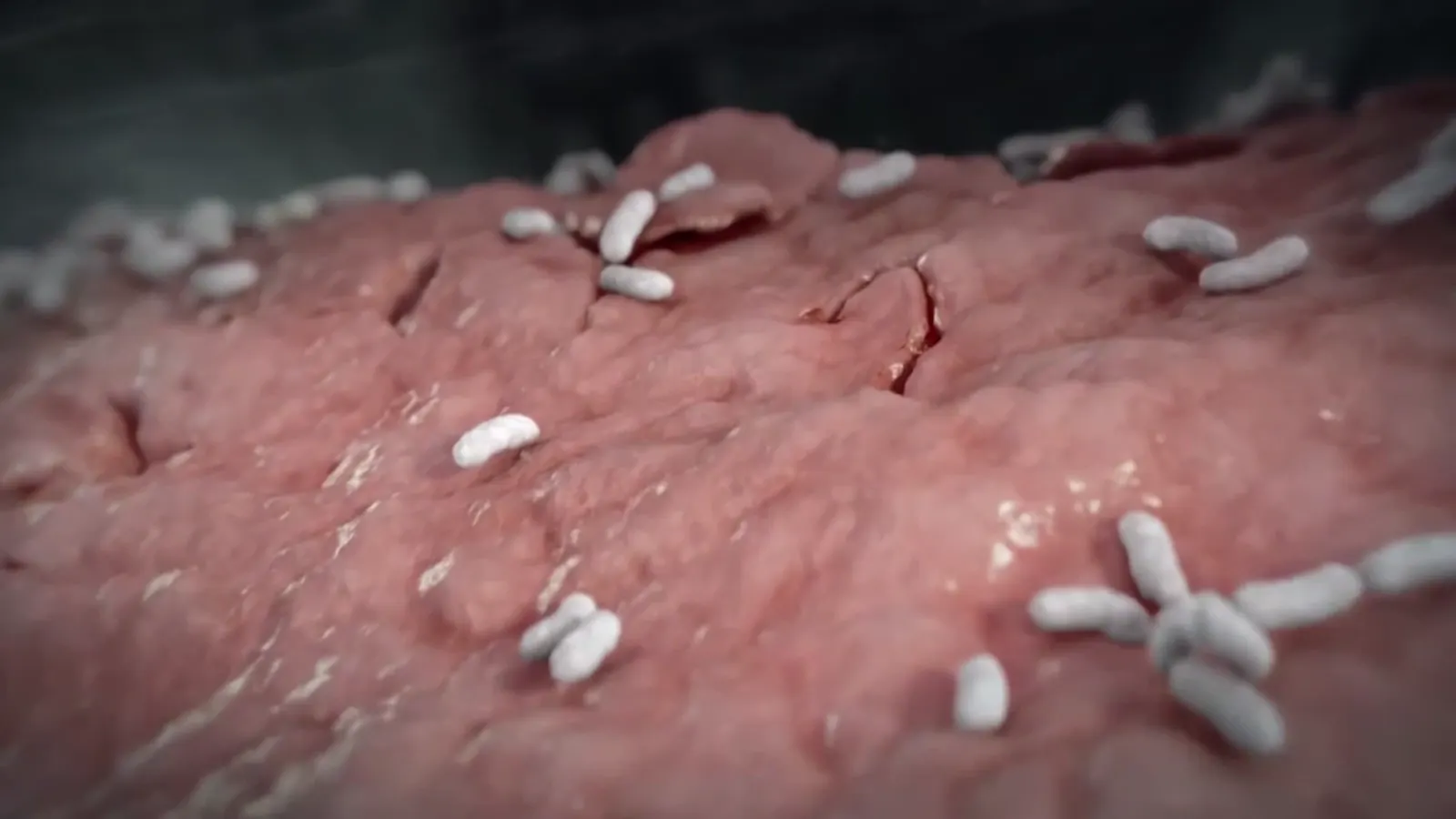
Ulcerated periodontal pockets let bacteria and inflammatory mediators into the bloodstream. This low-grade inflammation may hamper the action of insulin, a phenomenon known as insulin resistance; the mechanism has mainly been shown in experimental models [8]. Observational studies associate periodontitis with poorer glycaemic control and more complications in people with diabetes [1].
Does periodontal treatment lower HbA1c?
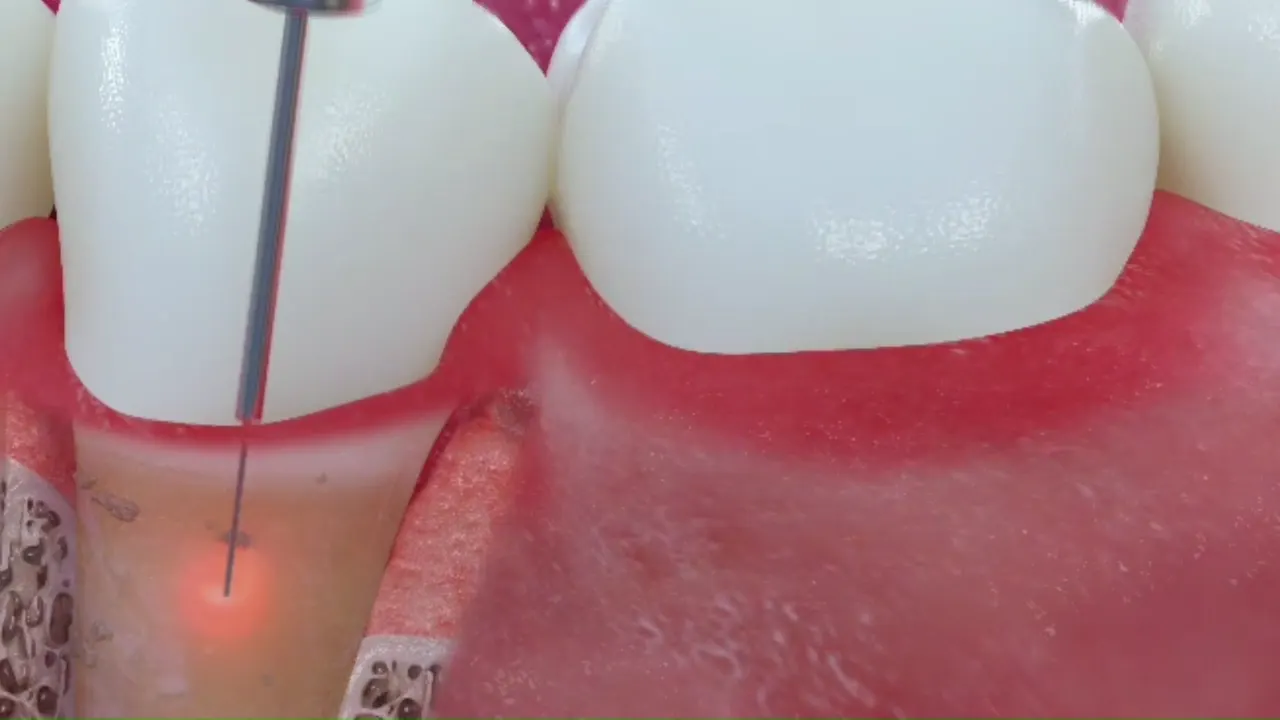
The 2022 Cochrane review pooled the trials comparing periodontal treatment (cleaning the roots below the gumline, known as root surface debridement) with no treatment or usual care, in people with diabetes, mostly type 2 [2]:
| Time point | Mean difference in HbA1c | Data | Certainty |
|---|---|---|---|
| 3–4 months | −0.43 points (−0.59 to −0.28) | 30 studies, 2,443 participants | Moderate |
| 6 months | −0.30 points (−0.52 to −0.08) | 12 studies, 1,457 participants | Not graded separately |
| 12 months | −0.50 points (−0.55 to −0.45) | 1 study, 264 participants | Not graded separately (single study) |
All these figures come from the Cochrane review [2]. To give a sense of scale, the EFP likens a reduction of about 0.4 points to the effect of adding a second glucose-lowering drug [6]. It is an average: some patients will see no change, others a clearer fall, depending on the initial inflammation and the response to treatment.
Trials that disagree
In 2013, a multicentre American trial (514 patients with type 2 diabetes) found no improvement in HbA1c six months after non-surgical treatment: +0.17 points in the treated group and +0.11 in the control group [3]. The trial drew published methodological criticism, notably over the intensity of treatment and the persistence of gum inflammation in treated patients [11].
In 2018, a twelve-month British trial (264 patients) compared intensive periodontal treatment with minimal treatment: HbA1c was 0.6 points lower (95% CI 0.3–0.9) in the intensively treated group [4].
These differences probably reflect the intensity of treatment, how well inflammation was controlled and the populations studied. The Cochrane synthesis remains favourable, with moderate certainty [2]. These trials mainly follow HbA1c, from three months to a year; the effect of treatment on diabetes complications (retinopathy, kidney damage, cardiovascular disease) calls for longer studies.
How to read these results
Three precautions avoid misunderstandings. First, an average masks very different individual responses: someone whose gums stop bleeding and whose pockets close is not in the position of someone whose inflammation persists. Second, HbA1c depends above all on diet, physical activity and medication: periodontal treatment adds to these levers without replacing them. Finally, the effect lasts only as long as inflammation stays under control, hence the role of periodontal maintenance.
Periodontal treatment also lowers, on average, CRP, a blood marker of inflammation [10]. This fall is consistent with the inflammatory link between the gums and blood sugar. The place of this marker and of other blood tests is discussed in the article on blood tests and supplements.
What this changes at the practice
- If you have diabetes: a full periodontal examination is worth having, followed by regular maintenance.
- If you have periodontitis without known diabetes but have risk factors (excess weight, family history, high blood pressure), Dr Hazout suggests raising it with your GP. The EFP estimates that 20 to 40% of patients with periodontitis, depending on the study, have diabetes or prediabetes, often unrecognised, especially where prediabetes is concerned [6].
- Coordination: with your consent, the practice sends a periodontal report to your GP or diabetes specialist, as the EFP–WONCA consensus recommends [5].
At the examination, at the practice in Levallois-Perret, Dr Hazout examines the gums around each tooth (bleeding, inflammation, mobility), then reviews the radiographs. The international classification of periodontitis factors in diabetes when estimating the risk of progression (the 'grade'): knowing your HbA1c therefore helps to adjust the treatment plan and the follow-up interval.
The treatment itself is described on the periodontitis treatment page: the whole mouth treated in a single session, a one-month follow-up, then six-monthly follow-up. For a person with diabetes the procedure does not change; what changes is the attention paid to glycaemic control, healing and the maintenance interval.
Frequently asked questions
My diabetes is well controlled: does this still concern me?
The risk is mainly down to poor glycaemic control. Well-controlled diabetes does not rule out periodontitis, so a periodontal examination remains worthwhile, all the more because the disease is often painless.
Can periodontal treatment replace a medicine?
No. The average fall in HbA1c is an additional benefit that varies from person to person. No diabetes treatment is ever changed without your doctor.
How long after treatment is there an effect on HbA1c?
Trials measure the effect at 3–4 months, then at 6 and 12 months. Beyond one year the data are limited, and the effect assumes that gum inflammation stays under lasting control.
Is more frequent periodontal follow-up needed if I have diabetes?
At the practice, follow-up is six-monthly as a rule; it is tightened according to the severity of periodontitis, diabetes control and smoking. It is set after the one-month follow-up.
Can periodontitis cause diabetes?
It is associated with poorer glycaemic control, and plausible mechanisms exist: inflammation sustained by the gums could hamper the action of insulin.
Should I tell my diabetes specialist before treatment?
It is useful: they can pass on your latest HbA1c and flag any recent loss of control. With your consent, the practice sends them the periodontal report in return.
Scientific sources (11)
- Sanz M, Ceriello A, Buysschaert M, Chapple I, Demmer RT, Graziani F, et al. Scientific evidence on the links between periodontal diseases and diabetes: Consensus report and guidelines of the joint workshop on periodontal diseases and diabetes by the International Diabetes Federation and the European Federation of Periodontology. J Clin Periodontol. 2018;45(2):138-149. DOI
- Simpson TC, Clarkson JE, Worthington HV, MacDonald L, Weldon JC, Needleman I, et al. Treatment of periodontitis for glycaemic control in people with diabetes mellitus. Cochrane Database Syst Rev. 2022;4:CD004714. PubMed
- Engebretson SP, Hyman LG, Michalowicz BS, Schoenfeld ER, Gelato MC, Hou W, et al. The effect of nonsurgical periodontal therapy on hemoglobin A1c levels in persons with type 2 diabetes and chronic periodontitis: a randomized clinical trial. JAMA. 2013;310(23):2523-2532. jamanetwork.com
- D'Aiuto F, Gkranias N, et al. Systemic effects of periodontitis treatment in patients with type 2 diabetes: a 12 month, single-centre, investigator-masked, randomised trial. Lancet Diabetes Endocrinol. 2018;6(12):954-965. DOI
- Herrera D, Sanz M, Shapira L, Brotons C, Chapple I, Frese T, et al. Association between periodontal diseases and cardiovascular diseases, diabetes and respiratory diseases: Consensus report of the Joint Workshop by the European Federation of Periodontology (EFP) and the European arm of the World Organization of Family Doctors (WONCA Europe). J Clin Periodontol. 2023;50(6):819-841. DOI
- European Federation of Periodontology. Periodontitis and diabetes: a two-way street. EFP Publications hub (accessed 3 October 2026). efp.org
- Sanz M, Herrera D, Kebschull M, Chapple I, Jepsen S, Berglundh T, et al. Treatment of stage I–III periodontitis—The EFP S3 level clinical practice guideline. J Clin Periodontol. 2020;47(Suppl 22):4-60. DOI
- Hajishengallis G, Chavakis T. Local and systemic mechanisms linking periodontal disease and inflammatory comorbidities. Nat Rev Immunol. 2021;21:426-440. DOI
- Zhao Y, Zhang C, Chang X, Zhang J, Shu C, Lin C, Hou J. Causal association between periodontitis and systemic diseases: a systematic review and meta-analysis of mendelian randomization studies. BMC Oral Health. 2026;26:383. DOI
- Luthra S, et al. Treatment of periodontitis and C-reactive protein: A systematic review and meta-analysis of randomized clinical trials. J Clin Periodontol. 2023;50(1):45-60. DOI
- Borgnakke WS, et al. The multi-center randomized controlled trial (RCT) published by the Journal of the American Medical Association (JAMA) on the effect of periodontal therapy on glycated hemoglobin (HbA1c) has fundamental problems. J Evid Based Dent Pract. 2014. PubMed
Related treatments

How periodontitis is treated: from assessment to stability
Treating periodontitis is not a “deep clean”. Here is the pathway as Dr Hazout practises it in Levallois-Perret: the assessment, full-mouth treatment in a single…

Periodontitis and general health: what the studies really show
Periodontitis is a chronic inflammation of the tissues that support the teeth. Studies link it to many general diseases: diabetes, heart and blood-vessel disease,…
Read next
Periodontitis, heart and blood vessels: where does the evidence really stand?
People with periodontitis more often have cardiovascular disease: cardiologists and periodontologists recognise this link, found in large studies. This article sets out…
Periodontitis and Alzheimer's disease: a real association, mechanisms under study
Several large studies, including two cohorts published in 2026, link periodontitis to a higher risk of dementia and Alzheimer's disease, and the bacterium…
Understanding periodontitis: recognising the signs and how it is diagnosed
Periodontitis is among the most common chronic diseases, and among the least noticed. It advances without pain, and its first signs pass for merely irritated gums:…