








Why bacterial sampling and blood testing appear useful
Periodontitis is not only pockets and X-rays: it is part of each patient's overall health. At the Levallois-Perret practice, the first treatment session includes a bacterial sample and a blood sample. This article explains what they contribute and what they do not replace.
Key points
- The bacterial sample describes the flora in the pockets: load, species, change after treatment.
- The blood sample sheds light on the patient's background: blood sugar, inflammation, deficiencies, together with the family doctor.
- These tests individualise follow-up; they replace neither the clinical examination nor root cleaning.
- Dietary supplements sometimes support treatment, never in its place.
Why a bacterial sample?
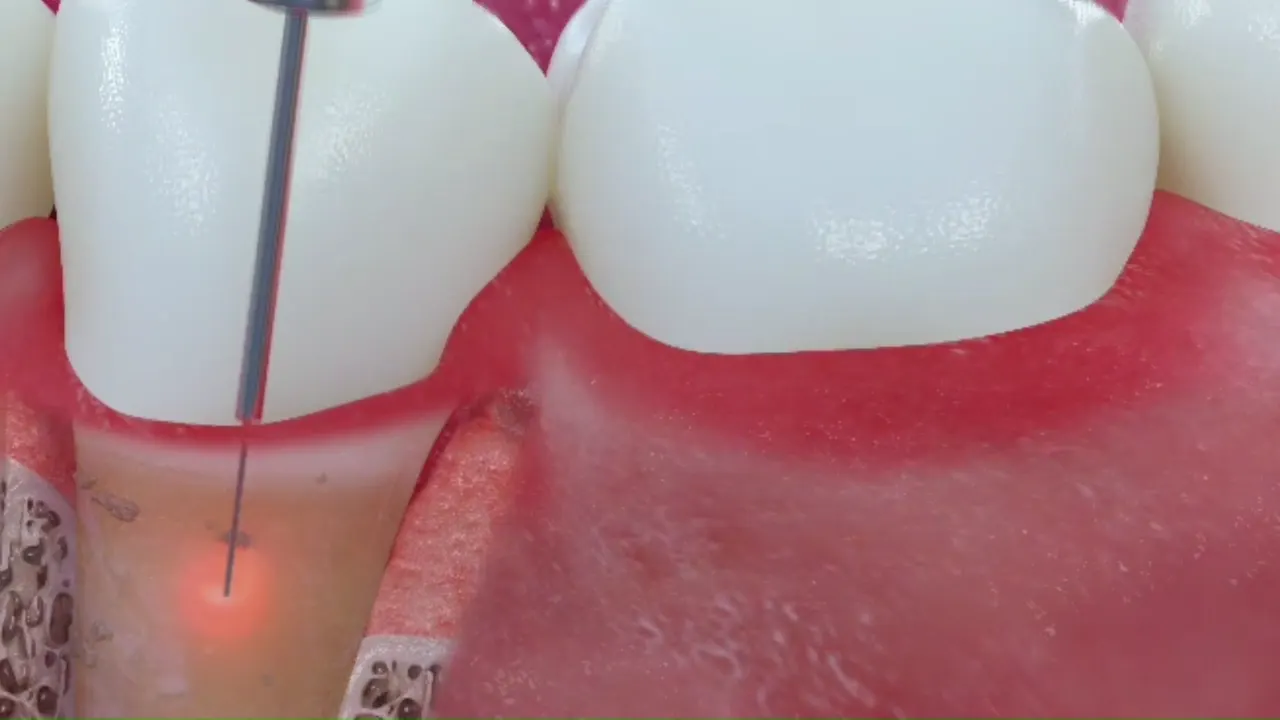
Periodontitis is sustained by an imbalance of the flora below the gum, where a few species gain the upper hand. The bacterial sample collects the contents of selected periodontal pockets with a sterile paper point; the laboratory identifies and counts the species present.
- Knowing each patient's flora: two similar-looking cases of periodontitis do not harbour the same bacteria.
- Documenting a severe or treatment-resistant form, and understanding why.
- Choosing an antibiotic in a targeted way, when one is considered, rather than prescribing blind: European guidelines reserve antibiotics for specific situations [5], and knowing which bacteria are present helps the decision.
- Comparing before and after: a follow-up sample shows whether the flora has rebalanced.
The practice also has a microscope that allows the flora to be observed directly. This is not done routinely; it can complement the sample in a situation of bacterial resistance.
Why a blood sample?
The gum is not isolated from the rest of the body. A blood sample, taken at the same session, provides reference points on the patient's inflammatory and metabolic background.
- Blood sugar and HbA1c: diabetes and periodontitis influence each other, and a notable share of people with periodontitis live with diabetes or prediabetes without knowing it [1] [2] [3]. Detecting it changes the prognosis and the follow-up.
- Inflammation markers, such as high-sensitivity CRP: periodontal treatment lowers it on average [4]; its level helps place the patient and follow progress, together with the doctor.
- Vitamins and minerals: a confirmed deficiency is corrected with the family doctor and supports healing.
Results are read with the family doctor, who makes any prescription. Trained in micronutrition and preventive medicine, Dr Hazout takes them into account to individualise care: pace of follow-up, diet and lifestyle advice, coordination with the doctor.
What these tests do not replace
Dietary supplements: what place?
| Supplement | What the studies show | At the practice |
|---|---|---|
| Omega-3 | Small gain alongside treatment in several meta-analyses, with varied protocols [6] [7] | Discussed case by case; diet remains the first source |
| Vitamin D | Mixed data on pockets [8] | A confirmed deficiency is corrected with the doctor |
| Vitamin C | Reduces bleeding in gingivitis [9] | Favour fruit and vegetables |
| Probiotics | Results vary by strain | Can complement mechanical treatment by favouring beneficial bacteria; never first-line |
| Coenzyme Q10 | Few, heterogeneous studies | No routine advice |
One thing in common: where an effect exists, it adds to a well-conducted treatment. No supplement treats periodontitis on its own. Diet is covered in the article nutrition, micronutrition and inflammation.
What risks, what interactions?
- Omega-3: at high doses, bleeding risk with warfarin or other anticoagulants; side effects are usually mild [10].
- Vitamin D: above the upper intake level, overdose causes hypercalcaemia; possible interactions with some medicines [11].
- Coenzyme Q10: possible interaction with warfarin and insulin [12].
- In all cases: tell your doctor, your pharmacist and the practice about any supplement.
Frequently asked questions
Do I need a blood test for my periodontal treatment?
At the practice, a blood sample is part of the first treatment session. It gives information on blood sugar, inflammation and possible deficiencies; the results are read with your family doctor.
What is the bacterial sample for?
To know the flora present in your periodontal pockets: which bacteria, in what quantity, and how it changes after treatment. It also helps choose an antibiotic in a targeted way if one is considered.
Do these tests replace root debridement?
No. They help understand your background and adapt follow-up. The treatment remains cleaning the roots below the gum, then maintenance.
More questions (1)
Should I take supplements for my gums?
Not routinely. Some can support treatment, case by case; a deficiency is corrected with your doctor, at the doses they set.
Scientific sources (12)
- Sanz M, Ceriello A, Buysschaert M, Chapple I, Demmer RT, Graziani F, et al. Scientific evidence on the links between periodontal diseases and diabetes: Consensus report and guidelines of the joint workshop on periodontal diseases and diabetes by the International Diabetes Federation and the European Federation of Periodontology. J Clin Periodontol. 2018;45(2):138-149. DOI
- Herrera D, Sanz M, Shapira L, Brotons C, Chapple I, Frese T, et al. Association between periodontal diseases and cardiovascular diseases, diabetes and respiratory diseases: Consensus report of the Joint Workshop by the European Federation of Periodontology (EFP) and the European arm of the World Organization of Family Doctors (WONCA Europe). J Clin Periodontol. 2023;50(6):819-841. DOI
- European Federation of Periodontology. Periodontitis and diabetes: a two-way street. EFP Publications hub (accessed 3 October 2026). efp.org
- Luthra S, et al. Treatment of periodontitis and C-reactive protein: A systematic review and meta-analysis of randomized clinical trials. J Clin Periodontol. 2023;50(1):45-60. DOI
- Sanz M, Herrera D, Kebschull M, Chapple I, Jepsen S, Berglundh T, et al. Treatment of stage I–III periodontitis—The EFP S3 level clinical practice guideline. J Clin Periodontol. 2020;47(Suppl 22):4-60. DOI
- Benincasa G, Liguori MG, Tarallo F, Saccomanno S, Mancini L, Marchetti E. The role of omega-3 polyunsaturated fatty acids in the non-surgical management of periodontitis: a systematic review and meta-analysis. Front Oral Health. 2026;7:1761032. DOI
- Van Ravensteijn MM, Timmerman MF, Brouwer EAG, Slot DE. The effect of omega-3 fatty acids on active periodontal therapy: A systematic review and meta-analysis. J Clin Periodontol. 2022;49(10):1024-1037. DOI
- Gillani Haji A, Ghezzi B, Tagliaferri S, Bostanci N, Calciolari E. The effect of vitamin D supplementation on periodontal health: a systematic review and meta-analysis. Evid Based Dent. 2026 (publié en ligne le 19 août 2026). doi:10.1038/s41432-026-01244-w. DOI
- Fageeh HN, Fageeh HI, Prabhu A, Bhandi S, Khan S, Patil S. Efficacy of vitamin C supplementation as an adjunct in the non-surgical management of periodontitis: a systematic review. Syst Rev. 2021;10:5. DOI
- National Institutes of Health, Office of Dietary Supplements. Omega-3 Fatty Acids – Fact Sheet for Consumers (accessed 3 October 2026). ods.od.nih.gov
- National Institutes of Health, Office of Dietary Supplements. Vitamin D – Fact Sheet for Health Professionals (accessed 3 October 2026). ods.od.nih.gov
- National Center for Complementary and Integrative Health (NIH). Coenzyme Q10 (updated January 2019). nccih.nih.gov
Related treatments

Periodontitis and general health: what the studies really show
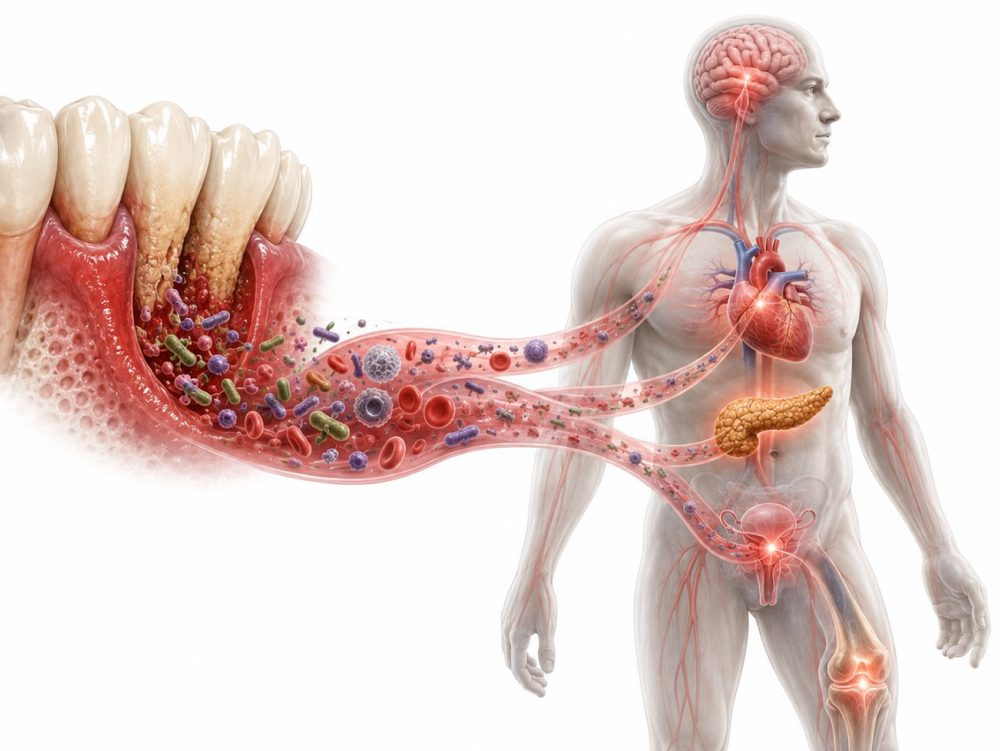
Periodontitis is a chronic inflammation of the tissues that support the teeth. Studies link it to many general diseases: diabetes, heart and blood-vessel disease,…

Your first visit
The first appointment is about understanding: the state of your gums and bone, the causes at work, the treatment options. It involves no painful treatment and ends with…
Read next
Pregnancy and gums: what changes, what matters
During pregnancy, many women find that their gums swell and bleed when they brush. This is neither inevitable nor, in itself, a danger to the baby: most often it is…
The oral microbiome and periodontitis: what we know, what we are still looking for
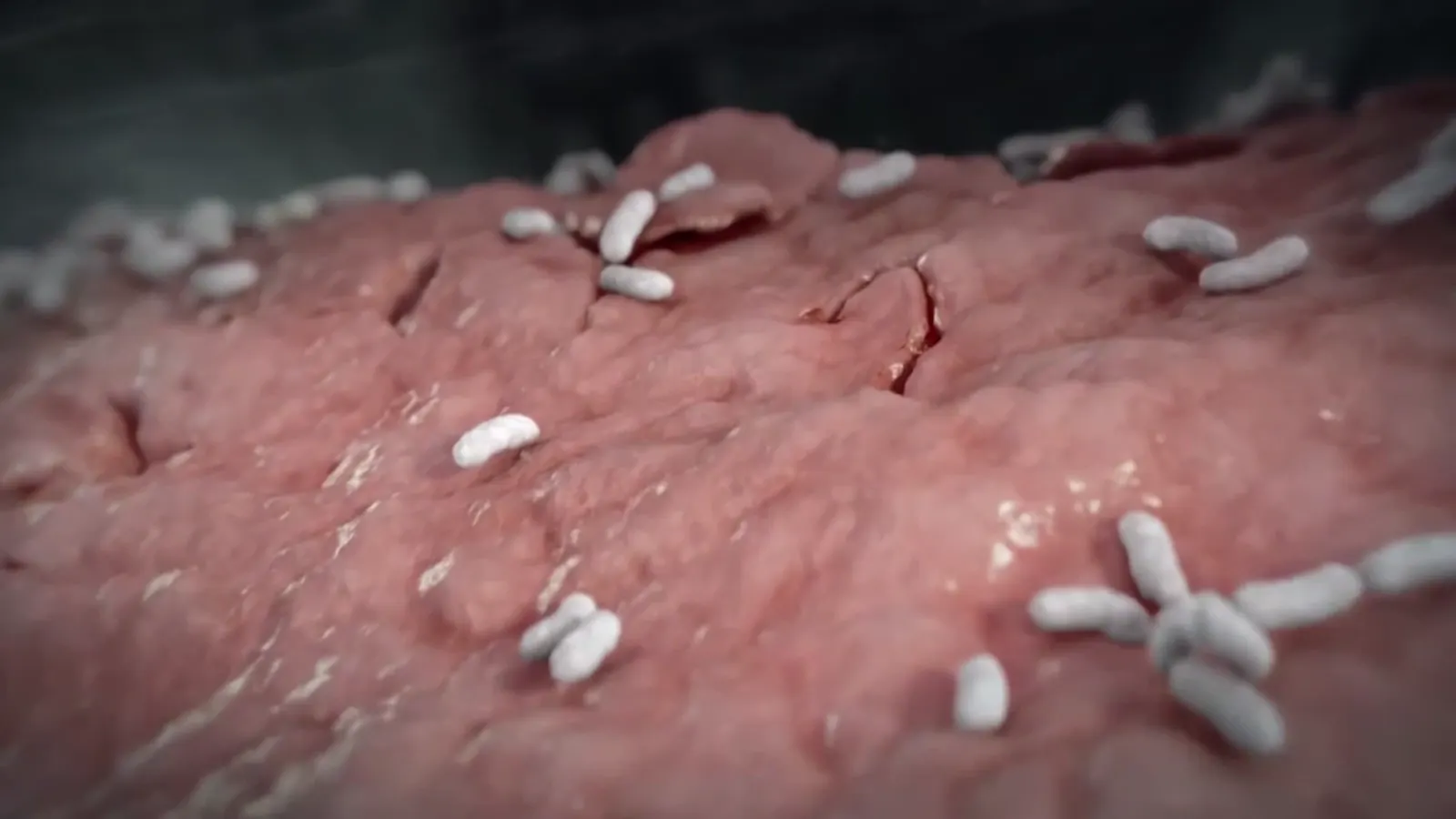
Periodontitis is not the work of a single germ. It arises from an imbalance in the bacterial community living beneath the gums, and from an inflammatory response that…
Understanding periodontitis: recognising the signs and how it is diagnosed
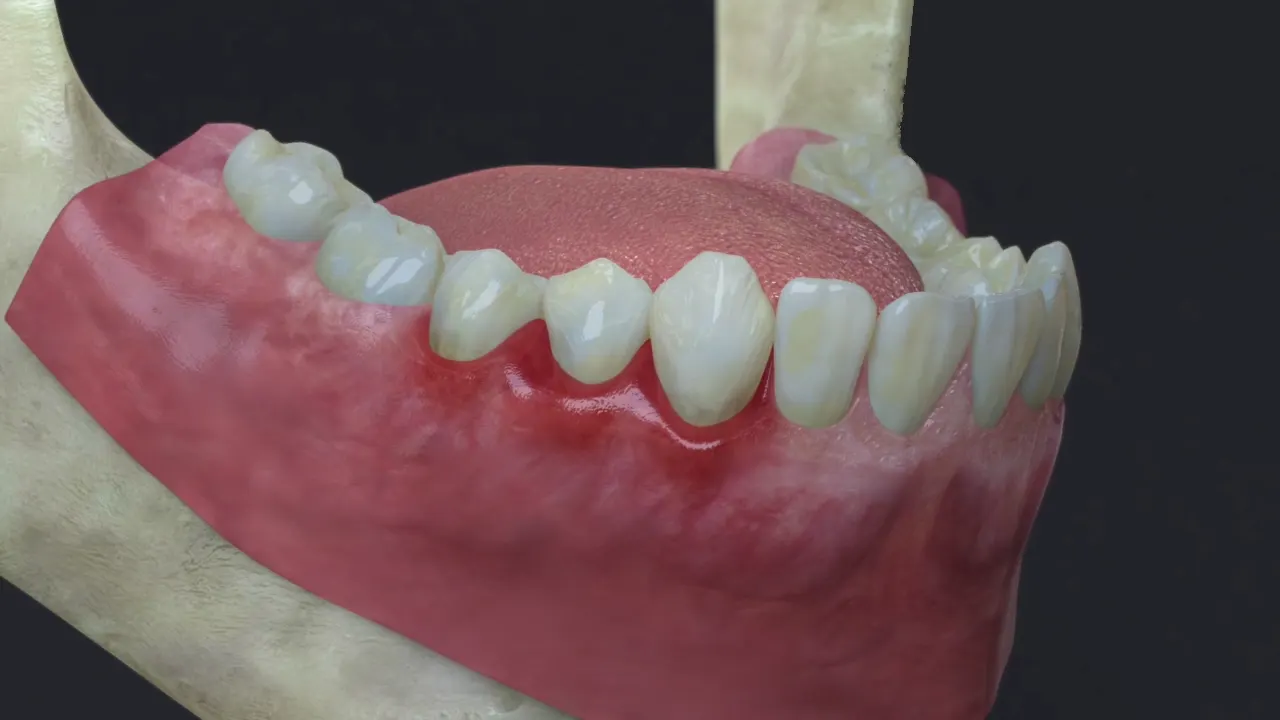
Periodontitis is among the most common chronic diseases, and among the least noticed. It advances without pain, and its first signs pass for merely irritated gums:…