
Diode and Er:YAG lasers: principle, indications and limits
A dental laser cures nothing on its own: it is an instrument, and its effect rests on its wavelength and on the hand that guides it. This page explains how the two lasers at the Levallois-Perret practice, the diode laser and the Er:YAG laser, act, in which situations Dr Hazout proposes them, what the treatment costs and what the studies genuinely allow one to expect of them in treating periodontitis.
Contents8 sections
- It all comes down to wavelength
- On the gum: the procedures where a laser brings real comfort
- In periodontal pockets: an adjunct to debridement, never its replacement
- The situations in which Dr Hazout proposes a laser, and which one
- Where the laser sits within periodontitis treatment
- Is a dental laser safe?
- How much does treatment with a laser cost?
- What the laser does not do
It all comes down to wavelength
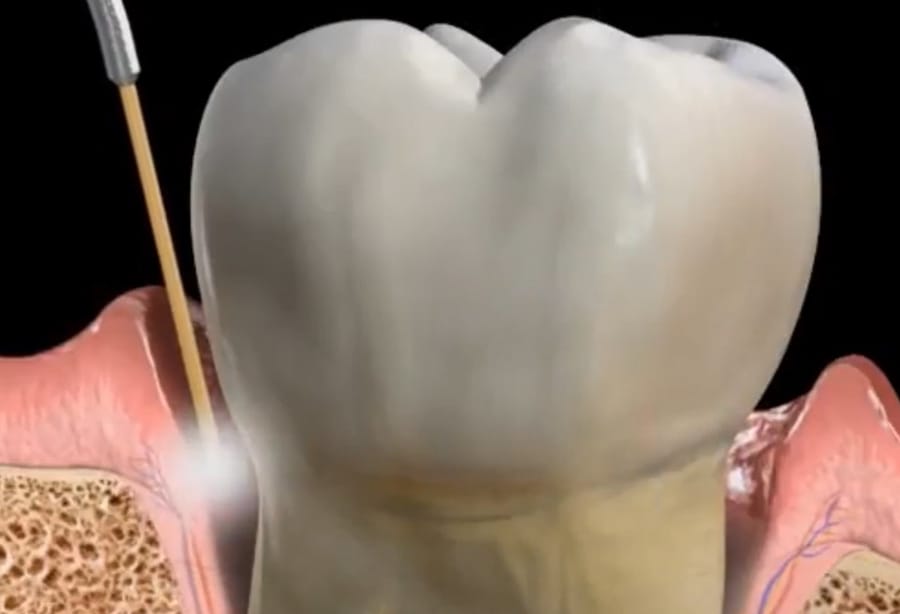
A laser emits light of a single wavelength, gathered into a beam. Everything then depends on which tissue absorbs it: where the light is captured, it becomes heat or mechanical energy; where it is not, it passes through or scatters. Two lasers of different wavelengths therefore have neither the same effects nor the same indications, and results obtained with one do not carry over to the other.
| Diode laser | Er:YAG laser | |
|---|---|---|
| Mainly absorbed by | Pigments: haemoglobin in blood, melanin | Water in the tissues |
| Main effect | Heating: cutting and coagulating soft tissue | Surface ablation of soft and hard tissue (bone, calculus), with little heat transferred |
| How it works | Thin optical fibre, in contact with the tissue | Handpiece under a water spray |
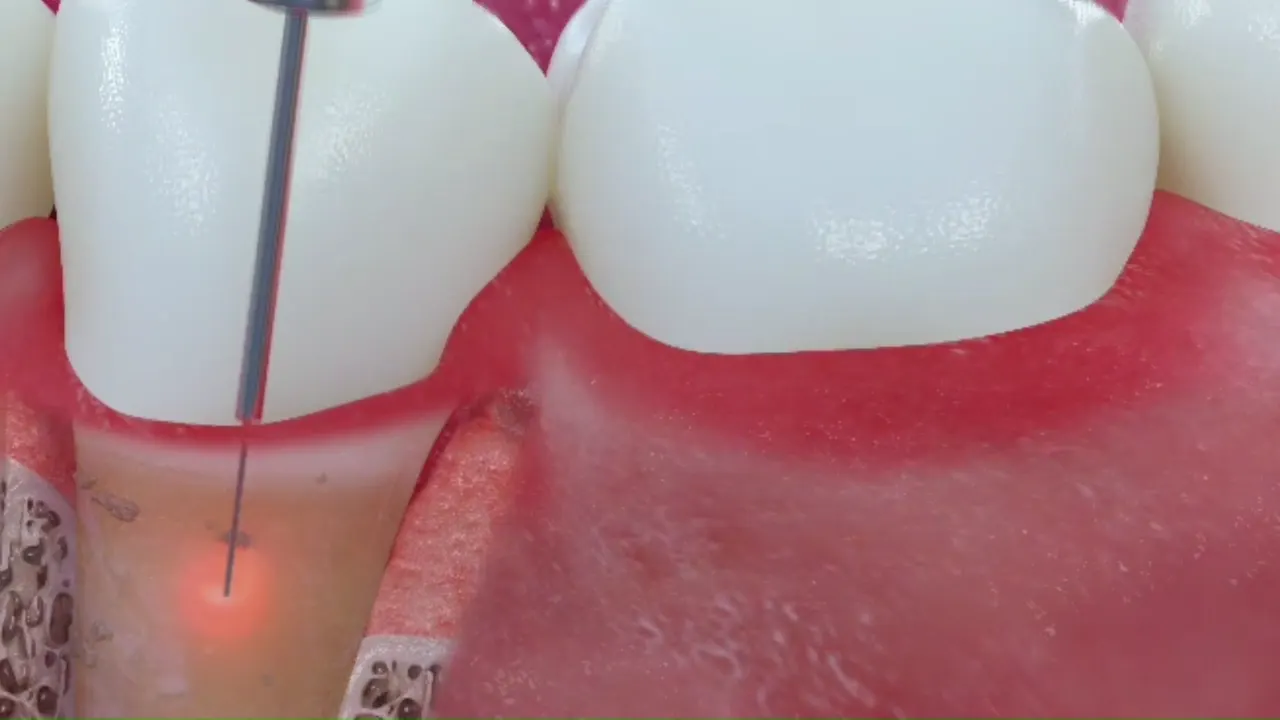
The diode laser acts through heat: absorbed by the pigments in blood and tissue, its light cuts and coagulates the gum. Poorly controlled, that same heat can injure the tooth or the bone, hence great care near roots, bone and implants [2]. The Er:YAG laser (erbium: yttrium-aluminium-garnet) is, by contrast, very strongly absorbed by water: it “vaporises” a thin film of tissue, bone or calculus included, and leaves on the root an altered zone only about 10 to 20 micrometres deep [1]. It works under a water spray that cools the surface.
On the gum: the procedures where a laser brings real comfort
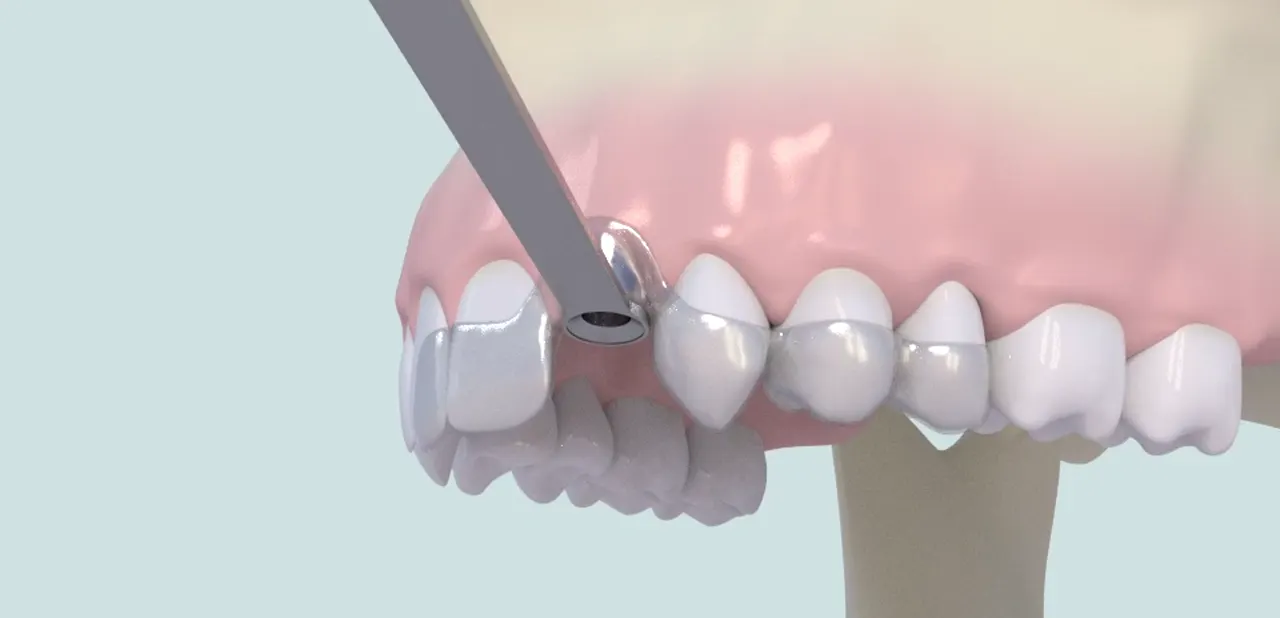
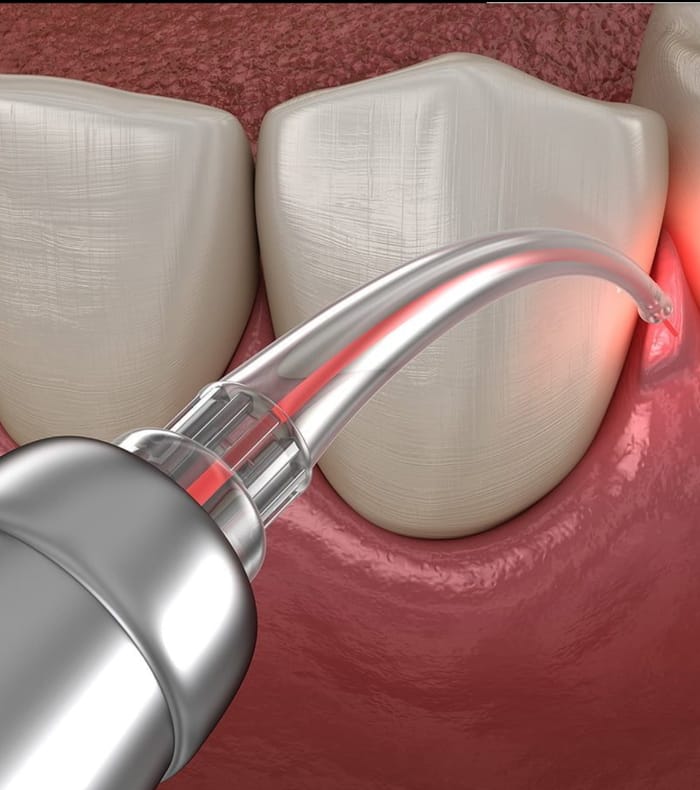
The value of a dental laser shows most clearly in soft-tissue surgery. The diode laser cuts as it coagulates, so bleeding is limited. The procedures concerned are the following:
- Gingivectomy and gum reshaping: removing excess gum, correcting an uneven contour, uncovering a tooth or an implant before a prosthesis is fitted.
- Frenectomy (releasing a short lip or tongue frenum): a 2021 systematic review notes less bleeding, often no stitches and less post-operative pain than with a scalpel, drawn from few and heterogeneous studies [6].
- Haemostasis: stopping localised bleeding, during or after surgery.
- Small mucosal lesions to be removed, once a diagnosis has been made.
The Er:YAG laser also has a place in periodontal surgery, to clean the surface of a root or a bone defect [1]. There it is merely one tool among others, at the operator's discretion: no clear clinical superiority over conventional instruments has been established. Laser reshaping of the gum, used to correct a gummy smile, is described on the Gum aesthetics page.
In periodontal pockets: an adjunct to debridement, never its replacement
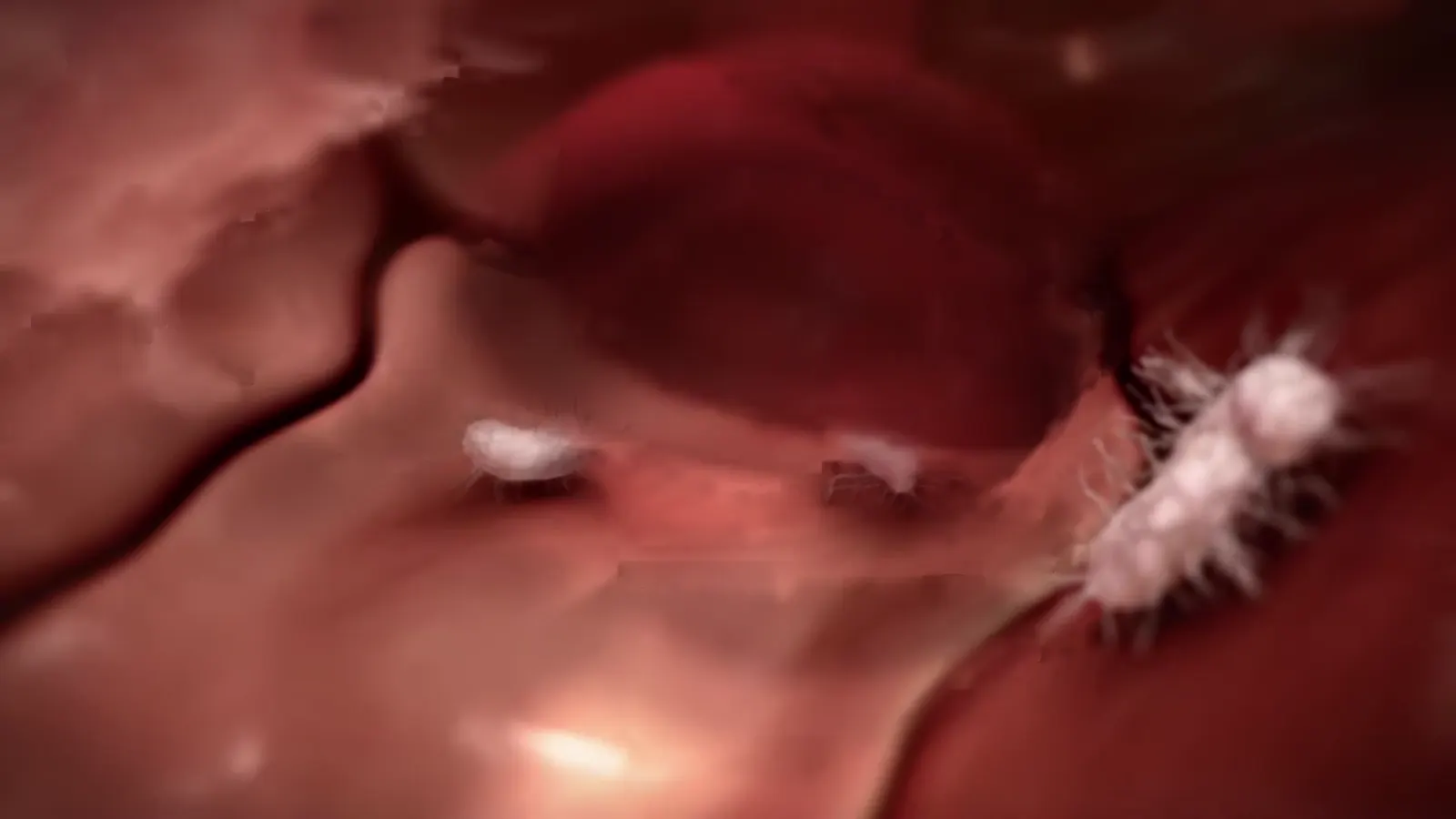
Lasers are readily presented as a way to “disinfect” periodontal pockets, the spaces that deepen between gum and root as periodontitis destroys the attachment. A diode laser can indeed be introduced there through a thin fibre, and an Er:YAG laser does remove calculus and inflamed tissue. The real question is therefore not whether the laser acts in the pocket, but whether it adds anything to mechanical root cleaning, root surface debridement (scaling and root planing), which remains the bedrock of treatment.
Around implants, prevention and treatment of peri-implant diseases are explained in the article Gum care around implants.
At the practice, a laser is proposed in some pockets, after debridement and never in its place, in the specific situations described below.
The situations in which Dr Hazout proposes a laser, and which one
The principle is simple: mechanical cleaning remains the foundation of periodontitis treatment; a laser is proposed only when it brings a concrete advantage to a specific procedure. Three situations come up most often.
- Deep or residual periodontal pockets. At initial treatment, or at re-evaluation when some pockets have not shrunk enough, the diode laser may be run through the pocket after debridement, and the Er:YAG laser used to remove the deposits still clinging to the root, with little heating. The choice between the two depends on pocket depth, root anatomy and the state of the gum.
- Inflamed, thickened gum. When the gum stays swollen despite cleaning, the diode laser removes or reshapes the inflamed tissue while limiting bleeding.
- A procedure on the gum: gingivectomy, reshaping, frenectomy, haemostasis, described above. This is where the laser's contribution is best documented.
Conversely, a laser is never proposed on its own to treat periodontitis, nor to disinfect an implant surface, nor in place of periodontal maintenance, which remains the decisive factor in keeping results stable over the years.
Where the laser sits within periodontitis treatment
The laser does not call for a separate appointment. In some pockets it complements initial periodontal treatment, carried out at the practice on the whole mouth, all six sextants, in a single visit, with fine piezoelectric tips and local anaesthetic if needed; it is no substitute for this mechanical cleaning. The practical arrangements, the course of treatment and aftercare instructions are explained to you at the practice, according to your situation. The principle of treatment, from assessment to re-evaluation, is set out on the page How periodontitis is treated.
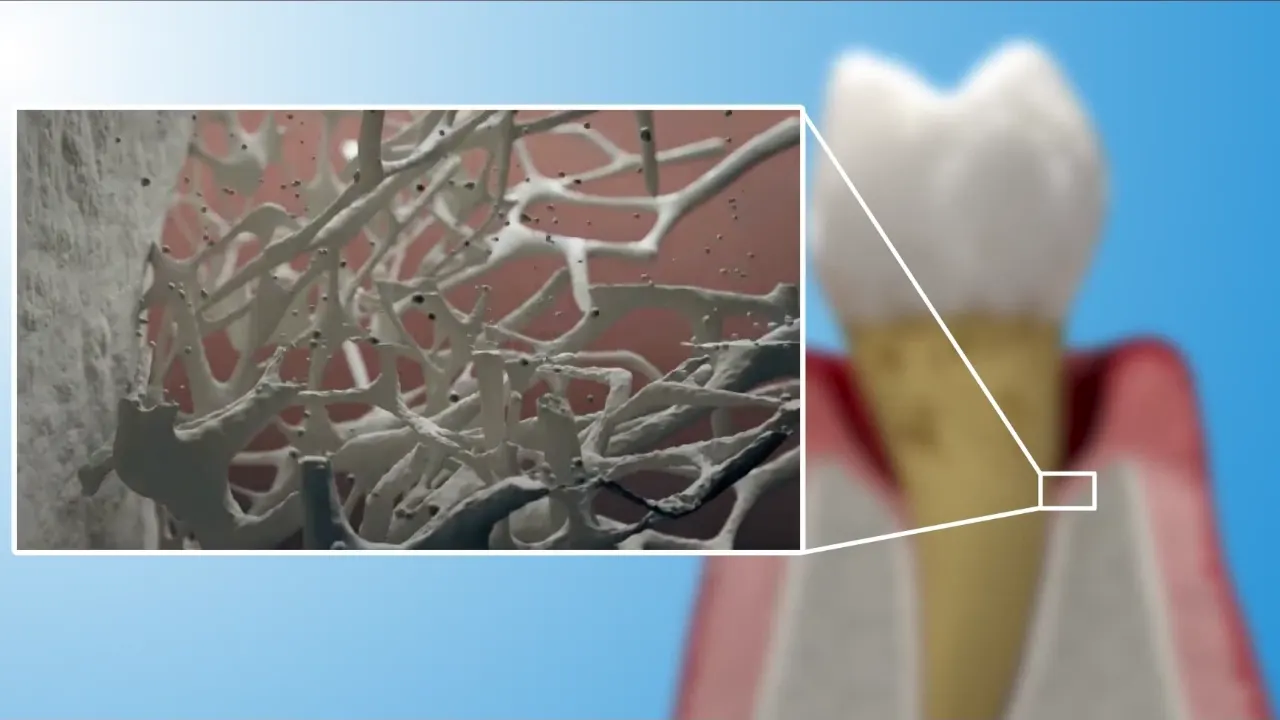
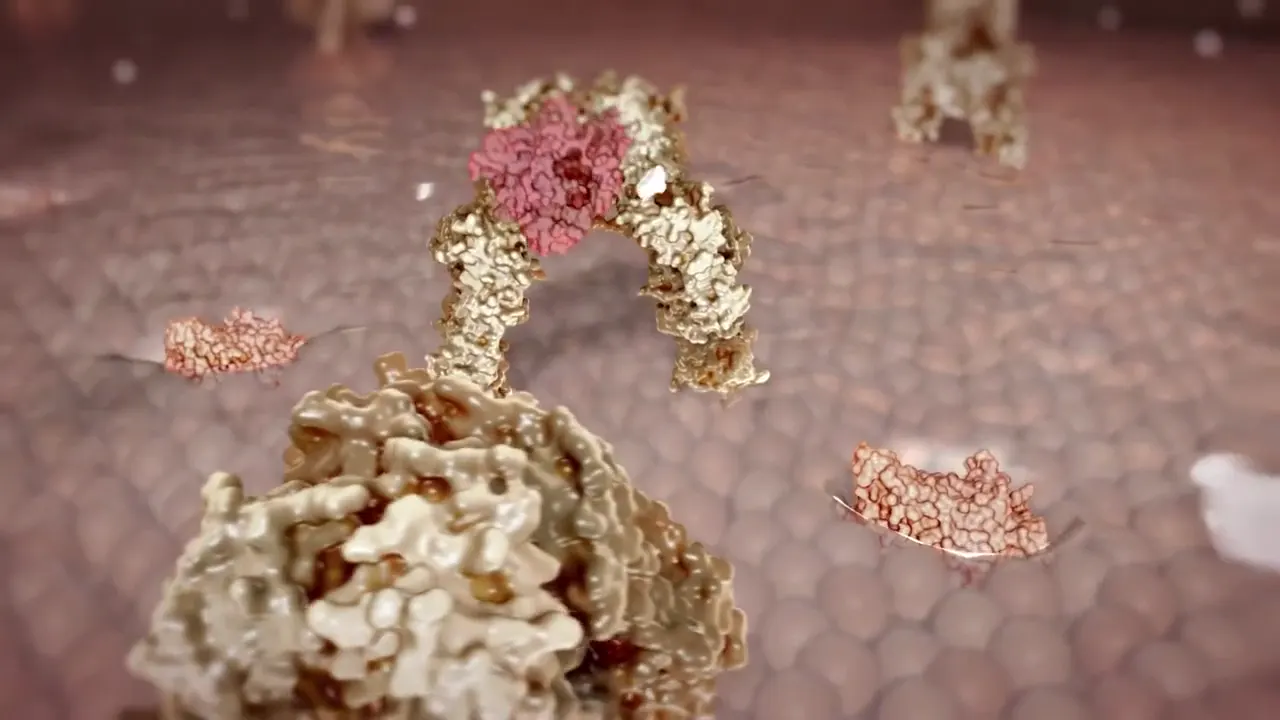
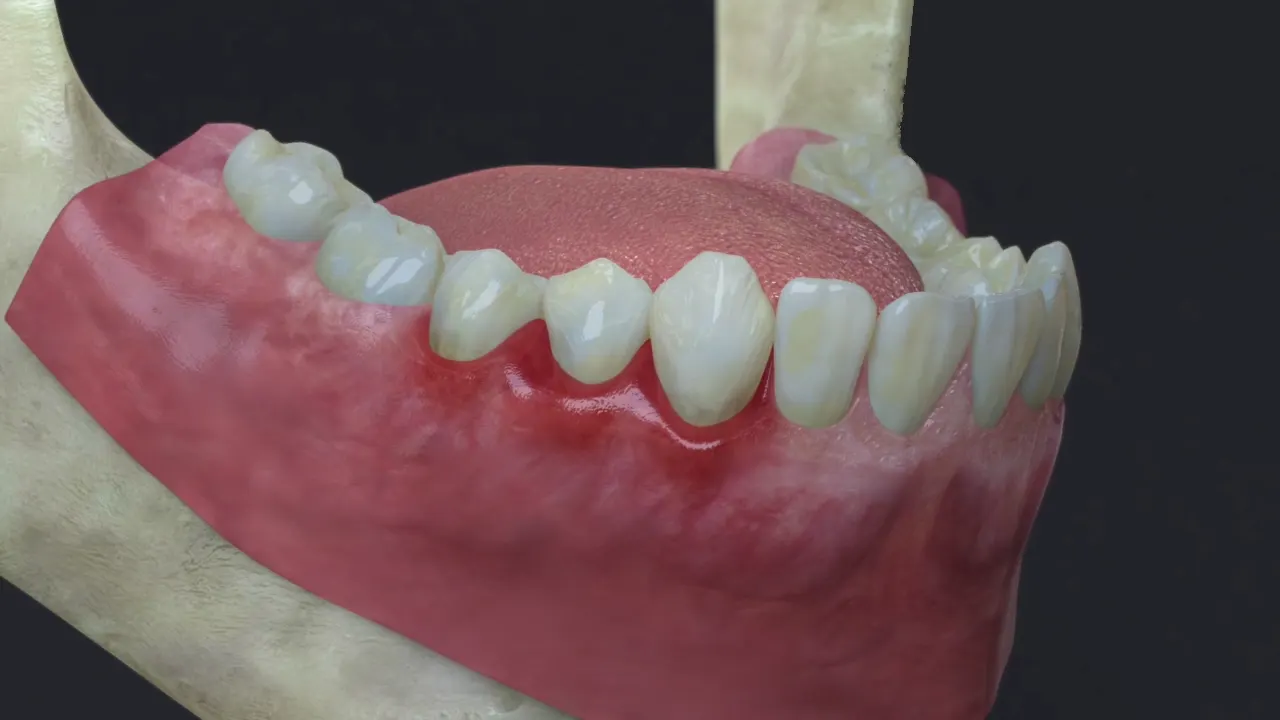
The sequence below sums up the practice's approach, from root cleaning through to the goal of regeneration; the specific contribution of the Er:YAG laser to that regeneration is under study. What is sought is new attachment along the root; it depends on the shape of the defect, on plaque control and on smoking, and is not achieved in every case. Periodontal regeneration has a page of its own.
Is a dental laser safe?
A laser is a powerful instrument, and its safety rests on three conditions: protective glasses matched to the wavelength, worn by patient and team alike; power and pulse settings chosen for the target tissue; and a controlled working area, signposted while in use. The chief risk is thermal: a diode laser that is poorly set, or held too long in one spot, can burn the gum, the bone or an implant surface [2]. The Er:YAG laser, cooled by water, transfers little heat, but it removes material and demands the same precision.
How much does treatment with a laser cost?
Initial periodontal treatment of the whole mouth, all six sextants in a single visit, is charged at €1,440 without laser and €1,800 with the diode and Er:YAG lasers. These are overall amounts: they cover the whole mouth and are not split by area. The difference reflects the extra time and the use of the equipment; it is discussed before treatment, and the decision to use a laser or not lies with the patient. Isolated laser procedures on the gum are quoted individually. These treatments are not reimbursed by French national health insurance; any cover depends on the terms of your top-up insurance policy. All fees are listed on the Fees page.
What the laser does not do
It is worth stating plainly, so often is the dental laser sold as a solution in itself. A laser does not cure periodontitis without debridement: the roots must be cleaned mechanically. It does not regrow lost bone; only regenerative surgery, in defects of favourable shape, rebuilds part of it. It does not do away with periodontal maintenance or with stopping smoking, which weigh far more on the long-term result than the instrument held in the chair. Finally, the percentages of bacteria destroyed that one sometimes reads come from laboratory measurements or immediate samples: they say nothing about the lasting clinical result, the only one randomised trials measure.
What can reasonably be expected: an adjunct in targeted situations, real comfort for procedures on the gum, and a frank account of the state of the evidence. Guidelines move with new trials; this page will be updated if their position changes.
Frequently asked questions
Can a laser cure periodontitis without root planing?
No. A laser does not replace root cleaning: at the practice it comes after debridement, in selected pockets, as an adjunct.
Diode laser or Er:YAG laser: which one is used?
Both, depending on the procedure. The diode laser, absorbed by pigments, works on the gum: inflamed tissue in the pocket, gingivectomy, haemostasis. The Er:YAG laser, absorbed by water, lifts deposits from the root with little heating. The choice is made for each patient and explained before treatment.
Are lasers dangerous?
Used properly, with eye protection and suitable settings, they are safe. The risks stem mainly from excessive heating of tissue, particularly with a diode laser near bone or an implant.
How much does treatment with a laser cost?
Initial periodontal treatment of the whole mouth, six sextants in one visit, costs €1,440 without laser and €1,800 with laser. These are overall amounts, not reimbursed by French national health insurance; the details are on the Fees page.
Scientific sources (6)
- Aoki A, Mizutani K, Taniguchi Y, Lin T, Ohsugi Y, Mikami R, Katagiri S, Meinzer W, Iwata T. Current status of Er:YAG laser in periodontal surgery. Jpn Dent Sci Rev. 2024;60:1-14. DOI
- Al Asmari D, Alenezi A. Laser technology in periodontal treatment: benefits, risks, and future directions—A mini review. J Clin Med. 2025;14(6):1962. DOI
- Sanz M, Herrera D, Kebschull M, et al. Treatment of stage I-III periodontitis-The EFP S3 level clinical practice guideline. J Clin Periodontol. 2020;47 Suppl 22:4-60. PubMed
- Salvi GE, Stähli A, Schmidt JC, Ramseier CA, Sculean A, Walter C. Adjunctive laser or antimicrobial photodynamic therapy to non-surgical mechanical instrumentation in patients with untreated periodontitis: A systematic review and meta-analysis. J Clin Periodontol. 2020;47 Suppl 22:176-198. DOI
- Herrera D, Berglundh T, Schwarz F, Chapple I, Jepsen S, Sculean A, Kebschull M, Papapanou PN, Tonetti MS, Sanz M; EFP workshop participants and methodological consultant. Prevention and treatment of peri-implant diseases-The EFP S3 level clinical practice guideline. J Clin Periodontol. 2023;50 Suppl 26:4-76. DOI
- Lebret C, et al. Perioperative outcomes of frenectomy using laser versus conventional surgery: a systematic review. J Oral Med Oral Surg. 2021;27:36. DOI
Page written by Dr Victor Hazout, periodontist · updated on 24 October 2026
Patient pathway