





Periodontitis and Alzheimer's disease: a real association, mechanisms under study
Several large studies, including two cohorts published in 2026, link periodontitis to a higher risk of dementia and Alzheimer's disease, and the bacterium Porphyromonas gingivalis has been found in patients' brains. This article reviews these results and what they change, day to day, for a patient or a relative.
Key points
- Meta-analyses estimate that the risk of dementia is about 20% higher with poor periodontal health or tooth loss [1] [2].
- In 2026, a Korean multicentre study (six institutions, nearly 880,000 people) found an Alzheimer's risk roughly 1.6 times higher [3].
- The bacterium Porphyromonas gingivalis and its enzymes (gingipains) have been found in patients' brains [5].
What the major syntheses show
Dementia is cognitive decline that affects independence; Alzheimer's disease is its most common cause. A meta-analysis of 47 longitudinal studies (which follow people over time) estimated a risk of dementia 1.21 times higher (95% confidence interval: 1.07 to 1.38) in people with poor periodontal health, and a risk of cognitive decline 1.23 times higher; the authors rate the overall quality of evidence as low [1]. Another meta-analysis, of 46 studies, arrived at a similar figure for dementia (relative risk 1.22) [2].
A more recent meta-analysis, limited to six studies, found an odds ratio of 2.67 between periodontal disease and Alzheimer's disease, but with very high heterogeneity between studies (I² = 92%): the authors themselves urge caution [7]. The most robust order of magnitude therefore remains a modest rise in risk.
Recent cohorts, including the 2026 multicentre study
Korean multicentre study (2026). Using electronic health records from six institutions in South Korea, researchers followed 879,804 people aged 60 and over for ten years, 19,421 of whom had a diagnosis of chronic periodontitis [3]. Risk was higher with periodontitis for all-cause dementia (hazard ratio 1.51; CI 1.42–1.60), Alzheimer's disease (1.57; 1.45–1.70) and vascular dementia (1.60; 1.39–1.85). It was higher still in patients who had undergone periodontal surgery or extractions, which the authors read as a link with severity [3].
Limitations: the diagnosis relies on administrative codes rather than a standardised periodontal examination; education, smoking or lifestyle are imperfectly measured in this type of data; and early dementia can itself worsen oral hygiene (a link running the other way).
Hisayama Study (Japan, 2026). In this community cohort of 1,396 people aged 60 and over, free of dementia at baseline and followed for ten years with a clinical periodontal examination, the most affected participants (gum bleeding, attachment loss, pocket depth) carried a higher risk of dementia, and heavy bleeding went hand in hand with a higher risk of Alzheimer's disease [8]. The association with vascular dementia was not significant.
ARIC Study (United States). In this community cohort, severe periodontitis was associated with incident dementia (hazard ratio 1.22; CI 1.01–1.47), an association the authors describe as modest; total tooth loss was not significantly associated (1.21; 0.99–1.48) [9].
Results that vary between studies
A cohort of 642 men in Northern Ireland, given a periodontal examination in 2001–2003 and a cognitive assessment some fifteen years later, showed no association between severe periodontitis and dementia or mild cognitive impairment (odds ratio 0.83; CI 0.45–1.50) [4]. On the other hand, each retained tooth went with a slightly lower risk (0.95 per tooth), and the men who developed dementia had higher inflammatory markers at baseline [4].
Genetic studies known as Mendelian randomisation remain inconclusive, as their genetic tools are weak for periodontitis [10].
The mechanisms under study
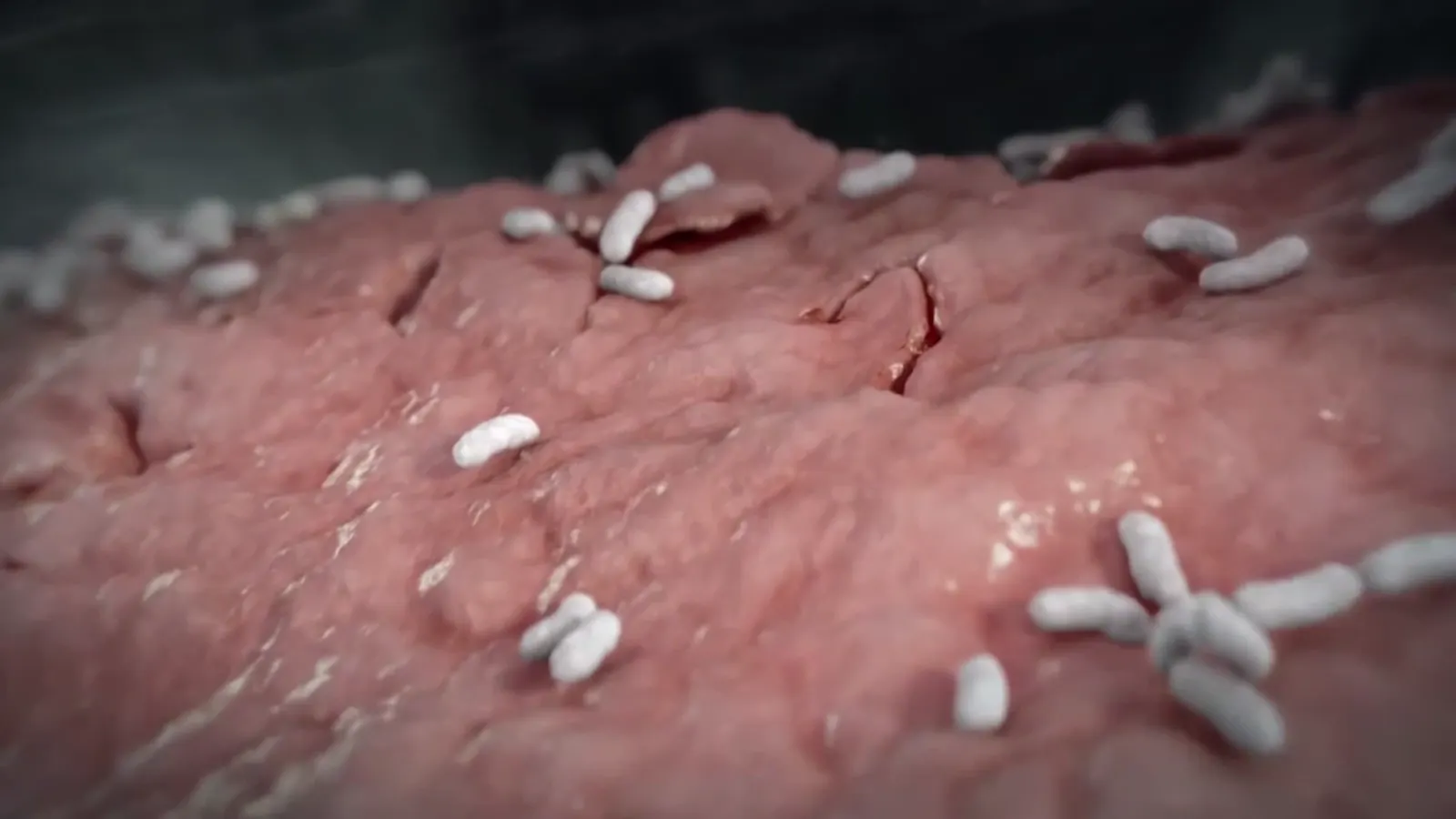
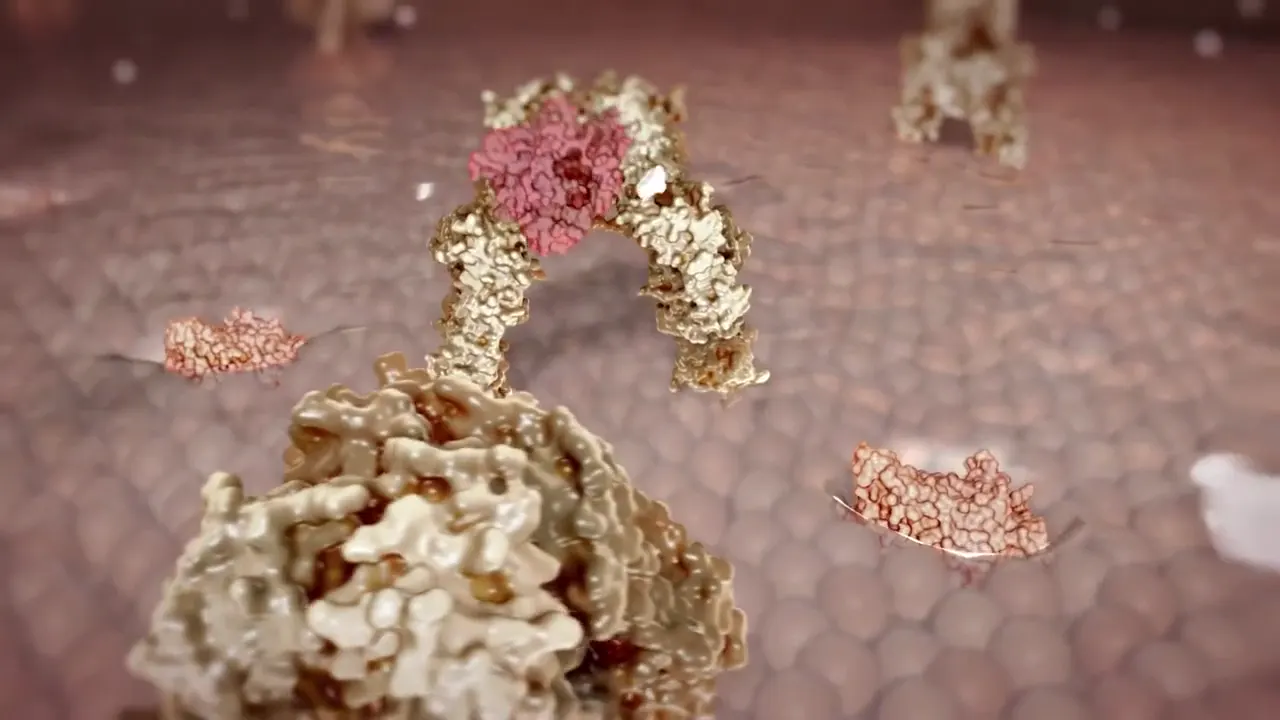
In 2019, a study published in Science Advances detected gingipains, enzymes produced by Porphyromonas gingivalis, in the large majority of brains from Alzheimer's patients analysed, in relation to markers of the tau protein; DNA from the bacterium was found in the cerebrospinal fluid of 7 out of 10 patients [5]. In mice, oral infection with this bacterium brought about brain colonisation and a rise in amyloid peptide; gingipain inhibitors dampened these effects [5].
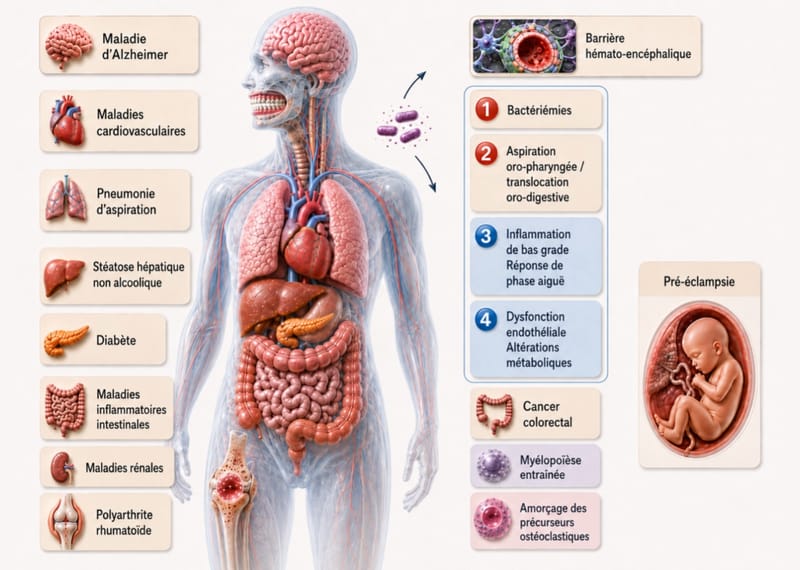
Other avenues concern the passage of the bacterium to the brain, which might be eased by increased permeability of blood vessels and of the blood–brain barrier (the filter between blood and brain), and the lasting reprogramming of immune cells in the bone marrow by inflammation [11]. This work remains mainly experimental.
The GAIN trial: the gingipain avenue
The gingipain avenue has been tested head-on. The phase 2/3 GAIN trial enrolled 643 patients with mild to moderate Alzheimer's disease, treated for 48 weeks with atuzaginstat (a gingipain inhibitor) or placebo. It met neither of its two primary endpoints (cognition and daily function) [6]. An analysis in a subgroup with P. gingivalis DNA in saliva suggested slower decline, a result that needs confirmation. Raised liver enzymes led the FDA to halt development, and the programme was stopped in 2022 [6].
And periodontal treatment?
An American cohort observed fewer cases of dementia in older people who reported gum treatment than in those who had not received it [12]. This observational finding calls for further studies.
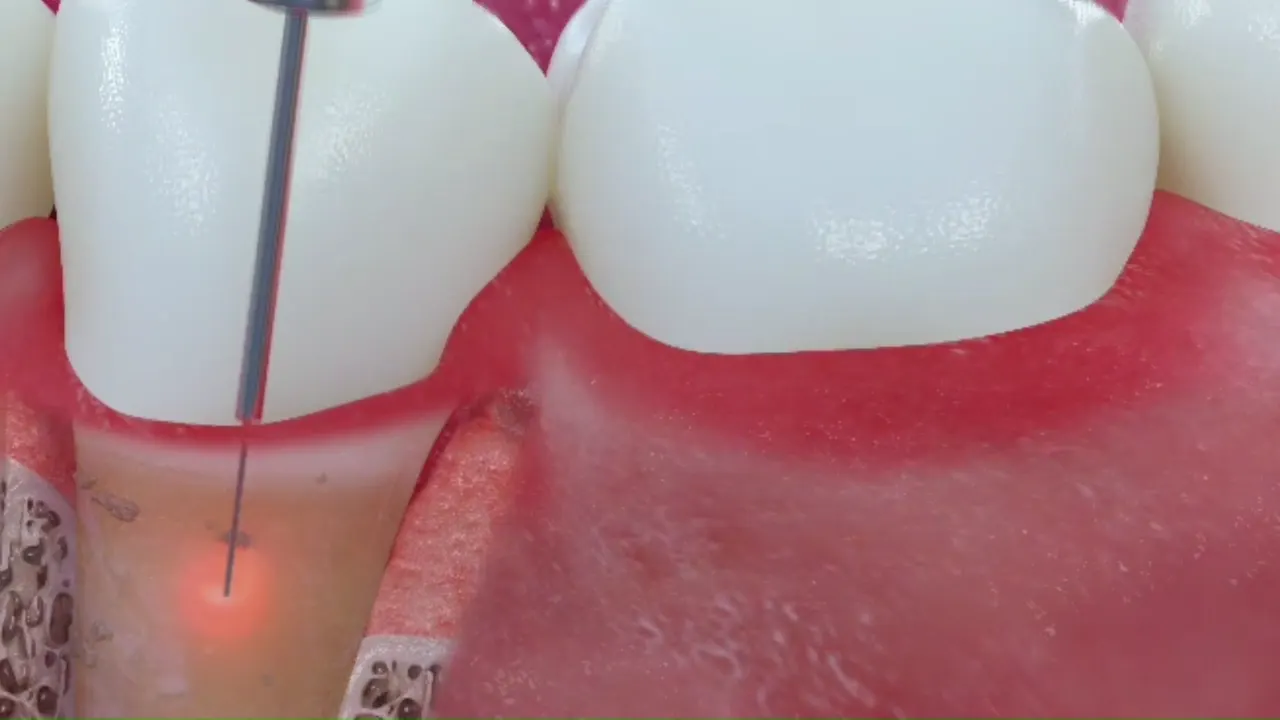
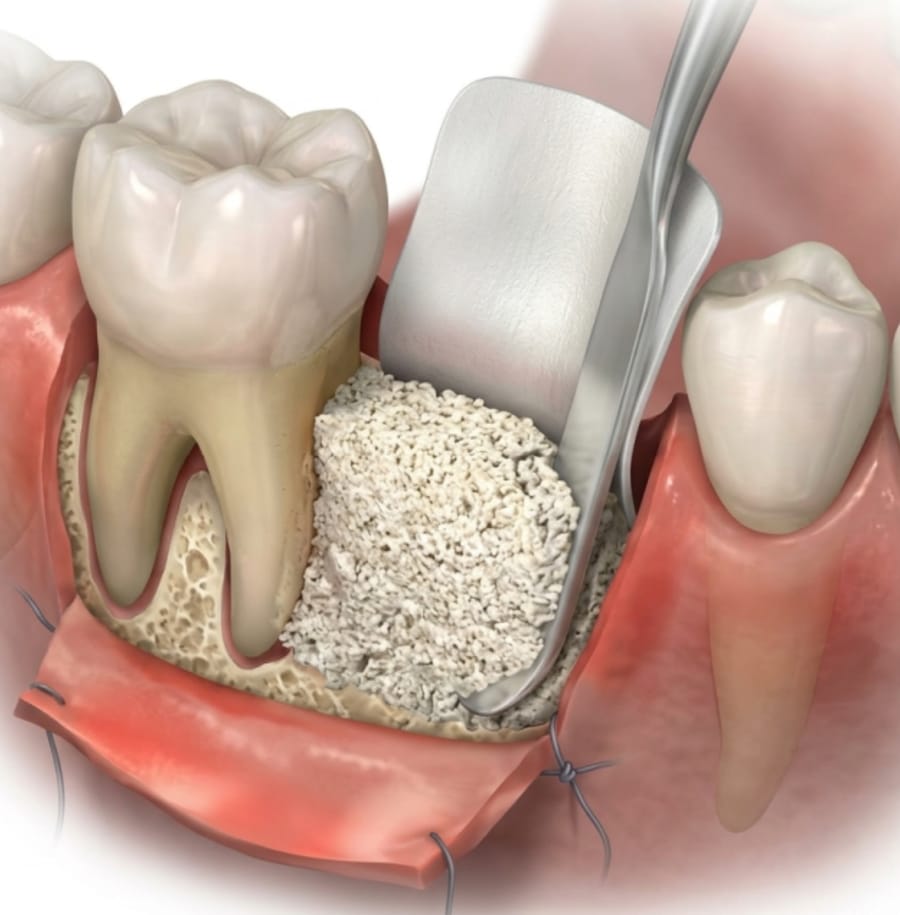
Periodontitis is treated because it destroys bone and teeth, and because keeping one's teeth makes it possible to chew and eat well. Treatment is described on the periodontitis treatment page; it is the same at any age, adjusted to general health and current medication.
Should you worry, and what should you do?
Reading the figure for what it is. A relative risk of 1.2 means that, in these studies, people with poor periodontal health developed dementia about 20% more often than others [1] [2]. This is the relative increase in a risk that depends first on age, family history and cardiovascular health; it is of the same order as that seen for many other common health factors, and part of it may stem from shared factors (smoking, diabetes, education) or from a link running the other way: early dementia worsens oral hygiene [1]. Having periodontitis does not mean that you will develop Alzheimer's disease.
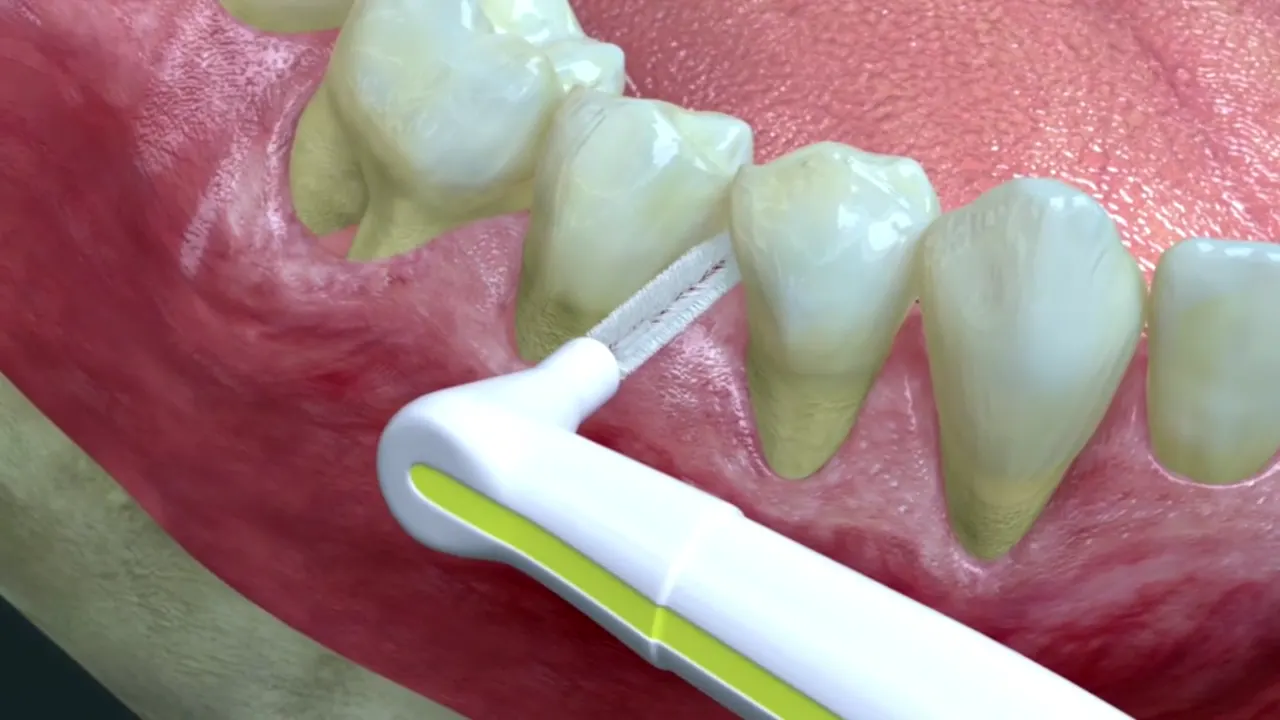
What is reasonable to do. First, treat periodontitis in its own right: halting the loss of bone and teeth is a certain benefit. Keeping one's teeth is also associated, in several cohorts, with a lower risk of cognitive decline [4]. Next, act on the factors shared by the gums and the brain whose benefit is established: stopping smoking, controlling diabetes and blood pressure, physical activity, all matters for your GP. Finally, do not buy products 'against the Alzheimer's bacterium': no mouthwash or supplement has shown any effect on dementia risk (see blood tests and supplements). The bacterial sample taken at the practice is used, for its part, to adapt gum treatment.
If a relative has cognitive impairment. Brushing often becomes irregular, treatment sessions more difficult, and the mouth deteriorates quickly. At the practice in Levallois-Perret, Dr Hazout involves family or carers in the care, and the maintenance interval takes this risk into account. The aim is not to prevent dementia, but to keep a healthy mouth and functional teeth in a vulnerable person.
To place this link among the other relationships studied between periodontitis and general diseases, the periodontitis and general health page gives the overview, with the same rigour.
Frequently asked questions
Am I more likely to develop Alzheimer's disease if I have periodontitis?
Studies show on average a higher risk, around 20% in meta-analyses and 1.6 times in a large 2026 study. This does not mean that you will develop the disease.
Will treating my gums protect me from dementia?
The question is being studied. Treating periodontitis is justified first for the health of the mouth and to keep your teeth; keeping one's teeth is associated, in several cohorts, with a lower risk of cognitive decline.
Is there a drug against the bacterium involved?
A gingipain inhibitor, atuzaginstat, was tested in the GAIN trial. It missed its primary objectives and its development was stopped.
Should I be tested for P. gingivalis?
At the practice, Dr Hazout takes a bacterial sample at the first session: it identifies the bacteria present, including P. gingivalis, and helps adapt gum treatment and follow-up. It is not used to predict dementia.
Can a person with Alzheimer's disease be treated?
Yes. Care often involves a relative or carer, and the maintenance interval depends on the risk, particularly when daily hygiene is difficult.
Scientific sources (12)
- Asher S, Stephen R, Mäntylä P, Suominen AL, Solomon A. Periodontal health, cognitive decline, and dementia: A systematic review and meta-analysis of longitudinal studies. J Am Geriatr Soc. 2022;70(9):2695-2709. DOI
- Dibello V, Custodero C, Cavalcanti R, et al. Impact of periodontal disease on cognitive disorders, dementia, and depression: a systematic review and meta-analysis. GeroScience. 2024;46:5133-5169. DOI
- Hwang G, Lee SH, Han SW, Yang Y, Lee S, Kim Y, Kim Y, Park RW. Longitudinal association of chronic periodontitis with all-cause dementia, Alzheimer disease, vascular dementia, and mild cognitive impairment: a distributed network analysis. GeroScience. 2026;48:3151-3163. DOI
- Farsi DN, Abadalkareem R, Linden GJ, McKay GJ, McEvoy CT, McAlinden M, et al. Periodontitis and incident cognitive decline and dementia: A 15-year prospective cohort study of older men residing in Northern Ireland. J Alzheimers Dis. 2026;109(2):980-995 (publié en ligne le 12 décembre 2025). DOI
- Dominy SS, Lynch C, Ermini F, Benedyk M, Marczyk A, Konradi A, et al. Porphyromonas gingivalis in Alzheimer's disease brains: Evidence for disease causation and treatment with small-molecule inhibitors. Sci Adv. 2019;5(1):eaau3333. DOI
- Alzforum. Therapeutics – Atuzaginstat (COR388): the GAIN trial, results and programme status (accessed 3 October 2026). alzforum.org
- Ridho FM, Irmawati A, Wicaksana AP, Alfatah R, Labib R. Alzheimer's disease and periodontal disease: uncovering the association through systematic review and meta-analysis. Rev Clin Esp (Engl Ed). 2026;226(6):502545. DOI
- Furuta M, et al. Periodontal status and the risk of all-cause dementia, Alzheimer's disease and vascular dementia in a community: the Hisayama Study. J Clin Periodontol. 2026 (publication en ligne). doi:10.1111/jcpe.70185. PMID 42604767. DOI
- Demmer RT, Norby FL, Lakshminarayan K, Walker KA, Pankow JS, Folsom AR, et al. Periodontal disease and incident dementia: The Atherosclerosis Risk in Communities Study (ARIC). Neurology. 2020;95(12):e1660-e1671. DOI
- Zhao Y, Zhang C, Chang X, Zhang J, Shu C, Lin C, Hou J. Causal association between periodontitis and systemic diseases: a systematic review and meta-analysis of mendelian randomization studies. BMC Oral Health. 2026;26:383. DOI
- Hajishengallis G, Chavakis T. Local and systemic mechanisms linking periodontal disease and inflammatory comorbidities. Nat Rev Immunol. 2021;21:426-440. DOI
- Qi X, Zhu Z, Wang K, Zheng Y, Li A, Wu B. Association of gum treatment with cognitive decline and dementia risk among older adults with periodontal symptoms: a 12-year prospective cohort study. Neuroepidemiology. 2025;59(4):313-322. DOI
Related treatments

Periodontitis and general health: what the studies really show
Periodontitis is a chronic inflammation of the tissues that support the teeth. Studies link it to many general diseases: diabetes, heart and blood-vessel disease,…

How periodontitis is treated: from assessment to stability
Treating periodontitis is not a “deep clean”. Here is the pathway as Dr Hazout practises it in Levallois-Perret: the assessment, full-mouth treatment in a single…
Read next

Nutrition, micronutrition and periodontal inflammation: what the studies show
Diet weighs on gum inflammation: a handful of randomised trials show as much, over short periods and with modest effects. Whether periodontitis feeds the chronic…

Why bacterial sampling and blood testing appear useful
Periodontitis is not only pockets and X-rays: it is part of each patient's overall health. At the Levallois-Perret practice, the first treatment session includes a…
Understanding periodontitis: recognising the signs and how it is diagnosed
Periodontitis is among the most common chronic diseases, and among the least noticed. It advances without pain, and its first signs pass for merely irritated gums:…